Physical AI

Search documents
T. Rowe Price bullish on Nvidia's robotics and physical AI frontiers
247Wallst· 2026-03-17 11:05
Core Viewpoint - T. Rowe Price expresses a bullish outlook on Nvidia, emphasizing its leadership in robotics and physical AI, which is seen as the next major inflection point following data center AI [1][2][3]. Financial Performance - Nvidia generated $96.58 billion in free cash flow for FY2026, with $34.90 billion in Q4 alone, showcasing strong financial health and the ability to invest in next-generation platforms [6][11]. Competitive Advantage - Nvidia operates a proprietary software stack (CUDA, Isaac, Cosmos, Omniverse) that competitors would require a decade to replicate, providing a significant competitive moat [6][7]. - The company is not merely selling GPUs but also a comprehensive suite of domain-specific software, which deepens its competitive advantage [7]. Robotics and Physical AI - Nvidia's physical AI infrastructure is positioned as a critical development area, with the potential to bridge software intelligence and real-world applications [9]. - The company's IGX Thor platform for real-time physical AI extends its capabilities into industrial settings, further solidifying its market position [9]. Strategic Partnerships - Nvidia has partnered with Uber to deploy a level 4-ready mobility network, targeting 100,000 autonomous vehicles by 2027, which serves as a proof of concept for its ecosystem [10]. Market Valuation - The analyst consensus price target for Nvidia is set at $267.54, indicating significant upside potential from its current price of $183.22 [11]. - T. Rowe Price believes that if the robotics and autonomous vehicle ecosystems scale similarly to cloud AI, Nvidia's current valuation may prove conservative relative to its long-term earnings potential [11].


Nebius Teams With NVIDIA to Build Cloud for Robotics and Physical AI
Businesswire· 2026-03-17 07:04
Core Insights - Nebius is collaborating with NVIDIA to develop a comprehensive cloud platform aimed at enhancing physical AI and robotics, addressing key challenges in infrastructure and data quality [1][2][3] Group 1: Collaboration and Technology - The partnership combines Nebius's AI cloud infrastructure with NVIDIA's Physical AI Data Factory Blueprint to create an agent-driven environment for robotics developers [2][5] - The collaboration aims to eliminate barriers to scaling physical AI, such as fragmented tooling and insufficient training data for unpredictable scenarios [2][4] - Nebius's cloud solution integrates NVIDIA OSMO for unified orchestration across the entire AI pipeline, facilitating the generation of physics-consistent synthetic data [5][8] Group 2: Market Impact and Applications - Early adopters like RoboForce have reported significant reductions in pipeline setup time by over 70% and faster iteration cycles from weeks to days using the integrated platform [6][9] - Voxel51, a partner, enhances data visualization and curation capabilities, allowing teams to build high-quality datasets for model training and simulations [10][11] - Milestone Systems is utilizing Nebius's infrastructure to fine-tune next-generation Vision-Language Models, benefiting from stable and cost-efficient training runs [12][13] Group 3: Infrastructure and Services - The Nebius AI Cloud features a purpose-built infrastructure that includes NVIDIA RTX PRO 6000 GPUs and managed inference services, allowing teams to deploy trained models efficiently [7][8] - The platform supports a complete managed physical AI runtime, from synthetic data generation to real-world inference, available as a service [8][10] - Nebius is committed to data sovereignty, ensuring that European customers' data remains within Europe, which is a key factor in attracting clients [13]


硅谷直击:黄仁勋入局龙虾大战,宣告 SaaS 已死,推理算力需求暴涨万倍!
AI科技大本营· 2026-03-17 06:11
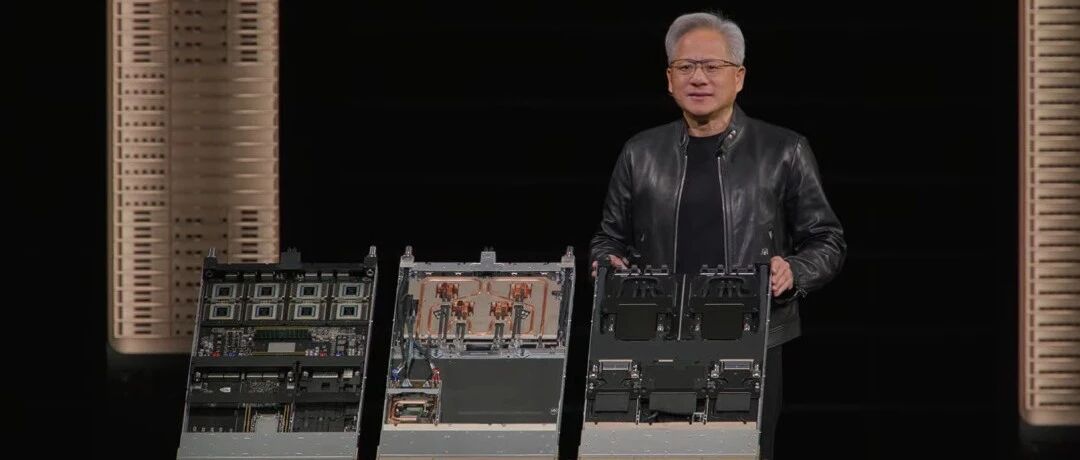
Core Insights - The article discusses NVIDIA's GTC 2026 conference, highlighting CEO Jensen Huang's narrative control and the introduction of new AI technologies and concepts, including the transition from SaaS to Agentic AI [1][3][6]. Group 1: CUDA and Its Impact - CUDA's 20th anniversary marks a significant milestone, transforming GPUs from graphics rendering to general-purpose parallel computing machines [8][10]. - The release of CUDA in 2006 allowed developers to utilize GPUs for various applications, leading to a robust software ecosystem that supports diverse fields [11][15]. - NVIDIA's competitive advantage lies in its extensive CUDA ecosystem, which cannot be easily replicated by competitors [16][17]. Group 2: Evolution of AI - The modern deep learning era began with the success of AlexNet in 2012, showcasing the importance of GPUs in AI development [18][20]. - Huang emphasizes that structured and unstructured data play complementary roles in AI, enhancing the value of existing data assets [22][24][26]. - The focus of AI is shifting from training to inference, with Token Economics becoming a central theme in AI operations [27][28][32]. Group 3: Hardware Developments - The introduction of the Blackwell architecture is seen as a pivotal moment in AI infrastructure, with widespread adoption among cloud providers [43][44]. - Future architectures, such as Vera Rubin, are expected to significantly enhance AI inference capabilities and commercial viability [51][52]. - The transition from copper to photonic interconnects in AI systems is crucial for scaling up performance and efficiency [56][58]. Group 4: Agentic AI and New Paradigms - Huang introduces the concept of Agentic AI, which goes beyond traditional chatbots to perform complex tasks autonomously [72][74]. - The market is shifting from SaaS to Agent-as-a-Service (AgaaS), indicating a new approach to enterprise software procurement [80][79]. - The emergence of NemoClaw represents a significant step in making AI agents more accessible and applicable in the physical world [81][90]. Group 5: Physical AI and Real-World Applications - The integration of AI into physical systems is exemplified by the demonstration of a character from popular culture, illustrating the potential of Physical AI [106][107]. - NVIDIA aims to create a comprehensive pipeline for Physical AI, encompassing data generation, simulation training, and real-world deployment [99][100]. - The narrative emphasizes the transition of digital intelligence into tangible applications, redefining the future landscape of AI technology [107].
五一视界午后涨超17% 五一视界成为英伟达全球L4智驾仿真合作伙伴
Xin Lang Cai Jing· 2026-03-17 05:07
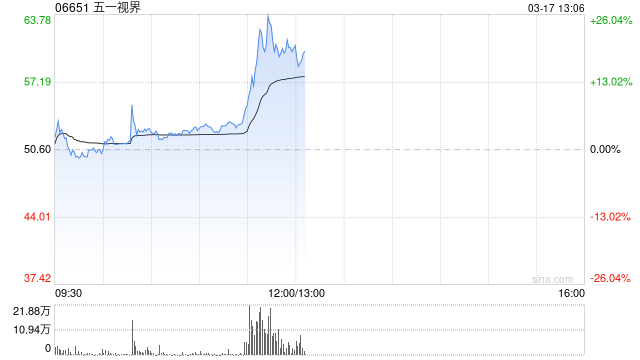
Core Viewpoint - Five One Vision (06651) experienced a significant stock price increase, reaching a peak of 64.40 HKD, with a current rise of 17.59% to 59.50 HKD and a trading volume of 262 million HKD [1][4] Company Developments - NVIDIA announced on March 16 at GTC that its Omniverse NuRec has achieved deep integration with Five One Vision's SimOne, utilizing neural rendering technology to address the challenges of non-interactive data collection in the autonomous driving industry [1][4] - This collaboration aims to accelerate the development of inference-based autonomous driving represented by VLA and world models, empowering global Level 4 (L4) automotive partners [1][4] - Five One Vision holds a 53.5% market share in the high-end simulation sector in China, and this partnership is expected to further solidify its core position in the global Physical AI arena [1][4]
港股异动 | 五一视界(06651)盘中涨超8% 五一视界成为英伟达全球L4智驾仿真合作伙伴
智通财经网· 2026-03-17 03:26
Core Viewpoint - Five One Vision (06651) experienced a significant stock price increase, rising over 8% during trading and currently up 5.43% at HKD 53.35, with a trading volume of HKD 61.5 million [1] Group 1: Company Developments - NVIDIA announced on March 16 at GTC that its Omniverse NuRec has achieved deep integration with Five One Vision's SimOne, utilizing neural rendering technology to address the challenges of non-interactive real-world data collection in the autonomous driving sector [1] - This collaboration aims to accelerate the development of inference-based autonomous driving represented by VLA and world models, empowering global Level 4 (L4) automotive partners [1] - Five One Vision has achieved a market share of 53.5% in China's high-end simulation sector, and this partnership is expected to further solidify its core position in the global Physical AI arena [1]
五一视界盘中涨超8% 五一视界成为英伟达全球L4智驾仿真合作伙伴
Zhi Tong Cai Jing· 2026-03-17 03:26
Core Viewpoint - Five One Vision (06651) experienced a significant stock price increase, rising over 8% during trading and currently up 5.43% at HKD 53.35, with a trading volume of HKD 61.5 million [1] Group 1: Company Developments - NVIDIA announced on March 16 at GTC that its Omniverse NuRec has achieved deep integration with Five One Vision's SimOne, utilizing neural rendering technology to address the challenges of non-interactive data collection in the intelligent driving industry [1] - This collaboration aims to accelerate the development of inference-based autonomous driving represented by VLA and world models, empowering global Level 4 (L4) automotive partners [1] - Five One Vision has achieved a market share of 53.5% in the high-end simulation sector in China, and this partnership is expected to further solidify its core position in the global Physical AI arena [1]
Advantech to Showcase Edge AI and Physical AI Innovations at NVIDIA GTC 2026
Prnewswire· 2026-03-17 02:59
Core Insights - Advantech will showcase its innovations in Edge AI and Physical AI at NVIDIA GTC 2026, highlighting applications in robotics, medical systems, smart logistics, and intelligent retail environments [1][2][8] - The company emphasizes the transition from cloud-based AI to real-world applications, focusing on edge computing and scalable deployment [2][8] Edge AI Innovations - Advantech will present robotics-ready edge AI platforms, such as the ASR-A702/AFE-A702, which support key perception capabilities like object detection and pose tracking [3] - The MIC-742 platform, delivering up to 2,070 TFLOPS AI performance, will be showcased for humanoid robotics, enabling ultra-low-latency sensor-to-inference pipelines [4] Medical AI Solutions - The AIMB-294 medical AI board will be featured, capable of real-time surgical instrument anomaly detection and operating at only 130W [5] - Advantech will also highlight the USM-500 platform for advanced AI-powered medical applications, supporting real-time multimodal sensor fusion [6] Logistics and Retail Applications - The AIR-075 visual AI platform will be demonstrated for intelligent logistics, enabling safety monitoring and incident response with high-bandwidth video streaming [6][7] - For retail environments, the DS-015 edge AI system will run generative AI models, enhancing customer engagement while ensuring data privacy [7] Company Overview - Advantech is a global leader in IoT intelligent systems and embedded platforms, focusing on Edge Computing and Edge AI across five key markets: Edge Intelligence Systems, Manufacturing, Energy and Utilities, iHealthcare, and iCity Services & iRetail [8]

五一视界成为英伟达全球L4智驾仿真合作伙伴,加速推理型自动驾驶开发
IPO早知道· 2026-03-17 02:07
Core Insights - The collaboration between Nvidia and 51Sim will further solidify 51Sim's core position in the global Physical AI sector [2][3] - 51Sim is not just a simulation software company but is positioned as a foundational builder for the Physical AI era [3] - The strategic value of simulation and data platforms is expected to amplify as autonomous driving continues to expand as a core scenario in Physical AI [3][4] Market Position - According to Frost & Sullivan's report, 51Sim holds a 53.5% market share in China's end-to-end high-level intelligent driving simulation and data platform market, making it the leader in this space [2] - 51Sim is establishing sustainable scale barriers and ecological advantages within the industry [2][4] - The focus for capital markets is shifting from algorithm iteration speed to identifying which companies can support the long-term infrastructure of Physical AI [3]
AEye, Inc. Q4 2025 Earnings Call Summary
Yahoo Finance· 2026-03-17 00:11
Core Insights - The company achieved a strategic pivot toward commercialization by expanding its customer base from 12 to 16 active engagements, driven by growth in the non-automotive pipeline [1] Group 1: Business Strategy - The company leveraged a capital-light operating model through a partnership with tier-one partner Lite-On, securing 60,000 units of annual manufacturing capacity without heavy internal infrastructure investment [1] - The product portfolio was differentiated with the launch of Stratos, a third-generation sensor that achieves a 1.5-kilometer detection range at a disruptive price point [1] - The company capitalized on software-defined architecture to allow rapid performance tailoring (scan patterns and field of view) without requiring costly hardware redesigns [1] Group 2: Financial Health - The financial foundation was strengthened by fully repaying the 2025 convertible note and eliminating legacy warrants, resulting in a virtually debt-free capital structure [1] Group 3: Ecosystem and Supply Chain - The company expanded the 'Physical AI' ecosystem through the Optus platform, providing turnkey vision-to-action pipelines for sectors lacking internal AI perception resources [1] - A globally diversified supply chain was maintained using off-the-shelf telecom components to mitigate geopolitical risks and ensure cost competitiveness [1]
AEYE(LIDR) - 2025 Q4 - Earnings Call Transcript
2026-03-16 22:02
Financial Data and Key Metrics Changes - AEye ended 2025 with nearly $87 million in cash, providing funding well into 2028 [4] - GAAP net loss for Q4 was $7.3 million, or $0.17 per share, an improvement from a net loss of $9.3 million in Q3 [16][17] - Non-GAAP net loss for Q4 was $6.8 million, or $0.15 per share, compared to a non-GAAP net loss of $5.4 million in the prior quarter [17] - Cash burn increased to $7.5 million in Q4 from $6.4 million in Q3, primarily due to increased engineering costs [18] Business Line Data and Key Metrics Changes - AEye shipped the highest number of Apollo units in its history during Q4, with active customer count growing from 12 to 16 [15] - Active engagements increased over 40%, and active quotes rose more than 30% quarter-over-quarter [15] - The company launched multiple products, including OPTIS and Stratos, enhancing its competitive position in the lidar industry [6][10] Market Data and Key Metrics Changes - AEye is seeing increased engagement in both automotive and non-automotive sectors, with significant traction in commercial and ground mobility [9] - The Physical AI market is estimated at $5 billion today, with potential growth to $1 trillion by 2035 [10] - AEye received multiple new RFQs and entered a strategic partnership with a distributor to unlock opportunities outside the U.S. [8] Company Strategy and Development Direction - AEye aims to convert customer engagements into deployments and build a durable revenue ramp [22] - The company is focused on maintaining a capital-light operating model while investing in sales and marketing to support growth [18][20] - AEye's partnership with NVIDIA is deepening, enhancing its commitment to quality and safety in the automotive sector [28][29] Management's Comments on Operating Environment and Future Outlook - Management expressed optimism about the growing customer base and increasing engagement activity, indicating a strong foundation for future growth [4][22] - The company expects 2026 to show increasing momentum towards a revenue generation inflection point as technical engagements translate into volume commitments [21] - Management highlighted the importance of their technology in addressing new use cases and enhancing visibility in various applications [83] Other Important Information - AEye's supply chain is globally diversified, providing flexibility to mitigate geopolitical risks [12] - The company has secured dedicated manufacturing capacity of 60,000 Apollo units annually through a partnership with Lidong [11] Q&A Session Summary Question: Can you talk about the jump in your customer base this quarter? - Management noted that the increase to 16 active customers reflects growing activity and business opportunities, particularly in the non-automotive pipeline [25] Question: Any new developments on the NVIDIA partnership? - The relationship with NVIDIA is deepening, with AEye showcasing Apollo integrated with NVIDIA's latest platform at CES, indicating strong collaboration in the automotive space [28][29] Question: What kind of CapEx range are you modeling for 2026? - Expected CapEx for 2026 is projected to be under $1 million due to the capital-light business model [41] Question: Can you provide a percentage split between hardware and software revenue? - Currently, revenue is predominantly hardware-based, but there is a shift towards software with opportunities for customization and upselling [44] Question: What applications does the Helios ecosystem partnership with NVIDIA address? - The partnership focuses on enhancing robustness and safety in the automotive space, contributing to the broader Hyperion initiative [51] Question: What is the expected revenue contribution from the $30 million global transport win? - Initial deployments are expected in the second half of 2026, with meaningful revenue likely in 2027 [55] Question: Were any of the new customers related to OPTIS and Stratos? - The new customer numbers include contributions from OPTIS, with expectations for Stratos to open additional opportunities in 2026 [58][60]