Interest Rates

Search documents
Will Market Uncertainty Continue In 2026?
Seeking Alpha· 2025-12-25 19:45
Market Overview - The markets are experiencing upward momentum as inflation pressures ease and rate cuts are anticipated [1] - Despite this positive trend, stretched valuations and tariff uncertainties are causing concern among investors [1] Economic Context - The current economic situation has significantly improved since 2022, which saw the fastest increase in interest rates in 40 years due to unprecedented inflation and fiscal stimulus [2] - Central banks have managed to control inflation without severely impacting the labor market, which is historically unusual [3] Future Outlook - The trajectory into 2026 and 2027 appears promising, with expectations of returning to a more stable economic environment [2]


全球数据_中国关税后的出口多元化程度超预期-GDW Asia_ China‘s post-tariff export diversification is broader than presumed
2025-12-25 02:41
Summary of Key Points from J.P. Morgan's Global Data Watch: Asia Industry Overview - **Industry**: Chinese Export Market - **Context**: Analysis of China's export diversification post-US tariffs Core Insights 1. **Export Growth**: Despite US tariffs averaging ~32%, China's goods exports grew by 5% in 2025, consistent with the previous year's growth [1][11] 2. **Redirection of Exports**: China's direct export share to the US decreased by one-third in 2025, from 15% to 10%, leading to a redirection of exports to other markets [1][11] 3. **Broader Diversification**: The decline in US export share was offset by increases in market share across Africa, Asia, and Europe, indicating a broader diversification than previously assumed [1][11] 4. **Impact on Domestic Manufacturing**: Increased Chinese exports are creating pressures on local manufacturing sectors in Asia, evidenced by rising trade barriers on Chinese imports [1][11] 5. **ASEAN Economies**: ASEAN countries, due to strong economic ties with China, are unlikely to push back against increased Chinese imports despite the pressures on their manufacturing bases [1][11] Additional Important Points 1. **Economic Ties**: The strong economic connections between ASEAN economies and China as a source of foreign direct investment (FDI) and as an export market are highlighted [1][11] 2. **Trade Barriers**: The increase in trade barriers on Chinese imports suggests a growing concern among Asian countries regarding the impact of Chinese exports on their local industries [1][11] 3. **Long-term Trends**: The increase in exports to Asia reflects a secular rise over the last decade, with shipments to Asia now making up almost a third of China's export basket [1][11] Economic Forecasts 1. **China's GDP Forecast**: The 4Q GDP forecast for China is maintained at 3.0% quarter-on-quarter seasonally adjusted annual rate (saar) or 4.2% year-on-year (yoy) for 2025, with net exports contributing 1.4 percentage points [11][12] 2. **Fiscal Spending**: Year-to-date fiscal deposits are elevated at 2.04 trillion yuan, indicating weak fiscal spending, which may lead to higher unused funds carrying over into the next year [12][11] This summary encapsulates the key insights and implications regarding China's export dynamics and its impact on regional economies, particularly in the context of ongoing trade tensions and economic forecasts.

HELOC rates today, December 24, 2025: Lenders begin pushing rates down to the 6% range
Yahoo Finance· 2025-12-24 11:00
Core Insights - The national average HELOC rate is reaching new lows for 2025, with some lenders offering rates below 7% based on credit profiles [1] - The average HELOC rate for December 2025 is reported at 7.44%, with homeowners holding nearly $36 trillion in home equity, the highest ever recorded [2] - Homeowners are likely to retain their low-rate primary mortgages, making HELOCs an attractive option for accessing home equity without selling their homes [3] HELOC Rate Structure - HELOC interest rates differ from primary mortgage rates, typically based on an index rate plus a margin, with the current prime rate at 6.75% [4] - Lenders have flexibility in pricing HELOCs, and rates can vary significantly based on credit scores and debt levels [5] - Introductory rates may be offered, but they often convert to adjustable rates after a set period, which can be substantially higher [5][7] HELOC Functionality - A HELOC allows homeowners to access equity without giving up their low-rate primary mortgage, providing flexibility in borrowing [6] - The ability to draw only what is needed from the credit line means interest is only paid on borrowed amounts [8] - For example, a $50,000 HELOC at a 7.50% interest rate would result in a monthly payment of approximately $313 during the draw period, but rates are typically variable [12] Current Market Conditions - Rates for HELOCs can range from nearly 6% to as high as 18%, depending on individual creditworthiness and lender offerings [10] - It is considered a favorable time for homeowners with low primary mortgage rates to obtain a HELOC for various uses, including home improvements or personal expenses [11]
Why Jerome Powell was right all along about interest rates, inflation and the economy
Yahoo Finance· 2025-12-24 01:20
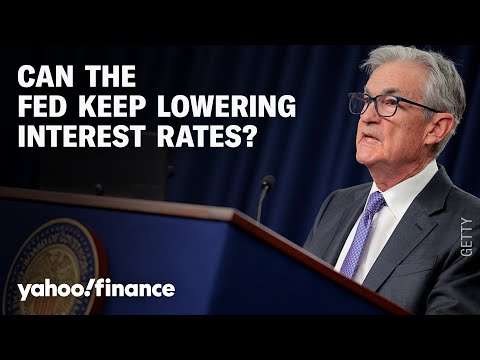
Core Viewpoint - The article discusses the potential implications of Trump's influence over the Federal Reserve, particularly regarding interest rate policies and economic conditions in the coming years, highlighting concerns about inflation and the Fed's independence. Group 1: Economic Data and Trends - The U.S. economy showed stronger-than-expected growth in the third quarter, with GDP increasing at an annualized rate of 4.3%, surpassing expectations [6] - Inflation rose to 2.8% from 2.1% in the spring, indicating persistent inflationary pressures above the Fed's 2% target [6][8] - The consumer-price index increased by 2.7% over the past year, with the annualized inflation rate estimated to be back above 3% [8] Group 2: Federal Reserve and Interest Rates - Trump has criticized Fed Chair Powell for not cutting short-term interest rates sufficiently, labeling it as "monetary malpractice" [1][5] - The Fed's short-term interest rates, which influence various borrowing costs, are distinct from long-term rates set by the bond market, which are affected by inflation expectations [11][13] - A cut in short-term rates by the Fed could lead to rising long-term rates if the bond market perceives an overheating economy, as seen in 2024 when the yield on 10-year Treasury bonds rose to 4.19% [14] Group 3: Political Influence and Future Outlook - Trump's term as Fed chair ends in May, and he is expected to nominate a loyalist, potentially increasing his influence over the Fed [2] - Despite Trump's declining political clout, with a minus-15% approval rating, there are concerns about the Fed's independence if more loyalists are appointed [15] - The article suggests that Trump's previous demands for rate cuts were politically motivated, allowing him to blame Powell if the economy faltered, but the current economic performance complicates this narrative [17]
'The Fed can continue to lower interest rates' next year, Bessent advisor says
Yahoo Finance· 2025-12-23 21:59
Joe, always good to see you. Thanks so much for joining me. >> Thank you.Very good to be with you, Jennifer. Happy holidays. >> Happy holidays to you.And what a way to kick off the holidays with such a stellar third quarter GDP number up 4.3% a full percentage point above expectations and driven by consumer spending up three and a half% though a large chunk of that from healthcare spending. Though we also saw trade really add to this number as well. Joe, can we see this level of growth sustained into next y ...
Here's what a strong GDP means for stocks
CNBC Television· 2025-12-23 21:03
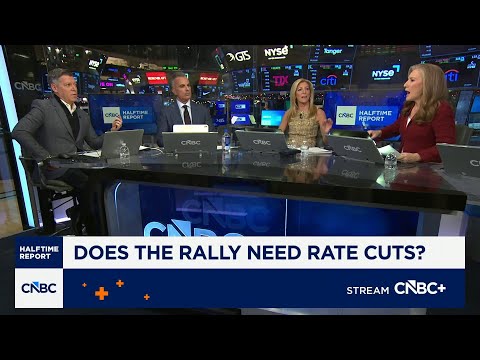
Market Trends & Economic Indicators - GDP增长远超预期,达到4.3%,为2023年第三季度以来的最高水平 [1][9] - 个人消费增长3.5%,储蓄率为4.2%,高于历史平均水平2% [9][10] - 生产力出现数十年未见的增长 [11] - 全球范围内利率都在上升,日本今年已两次加息,年初加息50个基点,最近又加息25个基点 [4][5] Interest Rate & Monetary Policy - Apollo的Torstston认为长期利率将维持在较高水平 [1] - 德意志银行提高了收益率预期 [1] - 市场可能需要重新考虑美联储采取鹰派立场的可能性 [2][16] - 市场已消化了美联储可能放松政策的预期,这对小盘股等板块有利 [3] - 长期利率可能维持在3%-4%的水平,而非0%-1% [6] - 如果美联储采取更强硬的立场,市场可能会出现波动 [17] Investment Strategy & Risk Management - 投资者应为长期高利率做好准备 [1][13] - 在利率波动较大的情况下,投资者可能更倾向于大型股和优质金融股 [15] - 建议投资者在市场强劲时适当降低风险,例如减少成长型股票的配置 [19][20] - 美国10年期国债收益率自2023年6月以来一直未低于3.5%,在此期间标普500指数上涨超过60% [14] Earnings & Equity Market Outlook - 标普500指数在2023年上涨24%,2024年上涨23%,目前已上涨17% [9] - 在GDP增长2%的情况下,企业盈利通常增长8%-10% [11] - 预计明年企业盈利将实现10%到15%左右的增长 [12] - 即使经济数据表现良好,未来的经济走向更为重要 [19]
Fed Chair Should Cut Rates If Market Does Well, Trump Says
Bloomberg Television· 2025-12-23 20:48
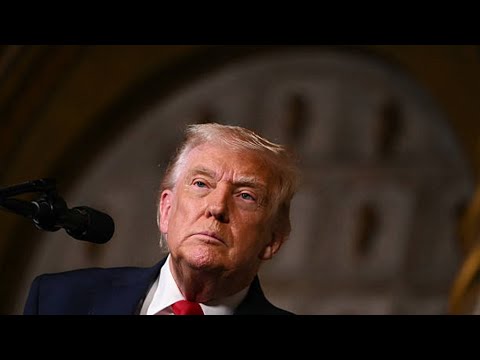
This is a stock market that the president loves to Trump. It's near all time highs. Why worry about it on a day like today when you've got great economic news.Well, you can see in this truth post that Trump is really, really worried about interest rates in particular. This is you know, he's supposed to be meeting with Rick Rieder, potential Fed chair this week. And as he's kind of started to figure out, is that he is not able to compel markets to do exactly what he wants them to do.We've seen this time and ...
Fed Chair Should Cut Rates If Market Does Well, Trump Says
Youtube· 2025-12-23 20:48
Economic Messaging and Market Reactions - The president is concerned about interest rates and is meeting with potential Fed chair Rick Rieder, indicating a struggle to influence market behavior as desired [1] - The president's attempts to communicate positive economic news to traders have not aligned with the Federal Reserve's and traders' perspectives on the broader economy, which shows warning signs [2] - The president's economic messaging has been complicated, as he tries to create a narrative that may not be sustainable in the long term [3] Public Perception vs. Economic Indicators - The president's team aims to focus on affordability and pocketbook issues that resonate with voters, but the president remains fixated on metrics like the stock market that may not reflect the average person's experience [4] - While the stock market may be performing well, the general public is facing challenges such as rising rent, housing affordability, and increased grocery bills, which have risen by 25% compared to a couple of years ago [5]

Market has to broaden from megacap tech for interest rates to fall, says Smead Capital's Bill Smead
CNBC Television· 2025-12-23 18:57
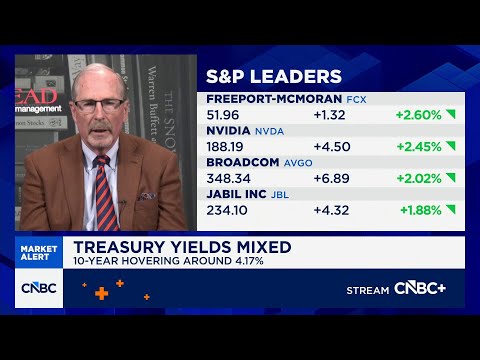
Joining us now is Bill Smei. He's the chief investment officer at Sme Capital Management. Bill, it's great to see you again.Welcome. >> Hey, great to be with you. >> Jump in here.You can pick the housing piece first if there's anything in that last discussion that you know you wanted to chime in on. >> Well, I I I don't want to pick on your prior guest too much, but somebody once said if you put all the economists end to end, you'd never get anywhere. >> Understood.But where so do you come down as as in thi ...
Bank of Canada Officials Unsure on Future Direction of Rates, Minutes Say
WSJ· 2025-12-23 18:56
Policymakers were reluctant to predict whether the next change in interest rates would be up or down, citing volatile data and elevated trade-policy uncertainty. ...