
《山海经》

Search documents
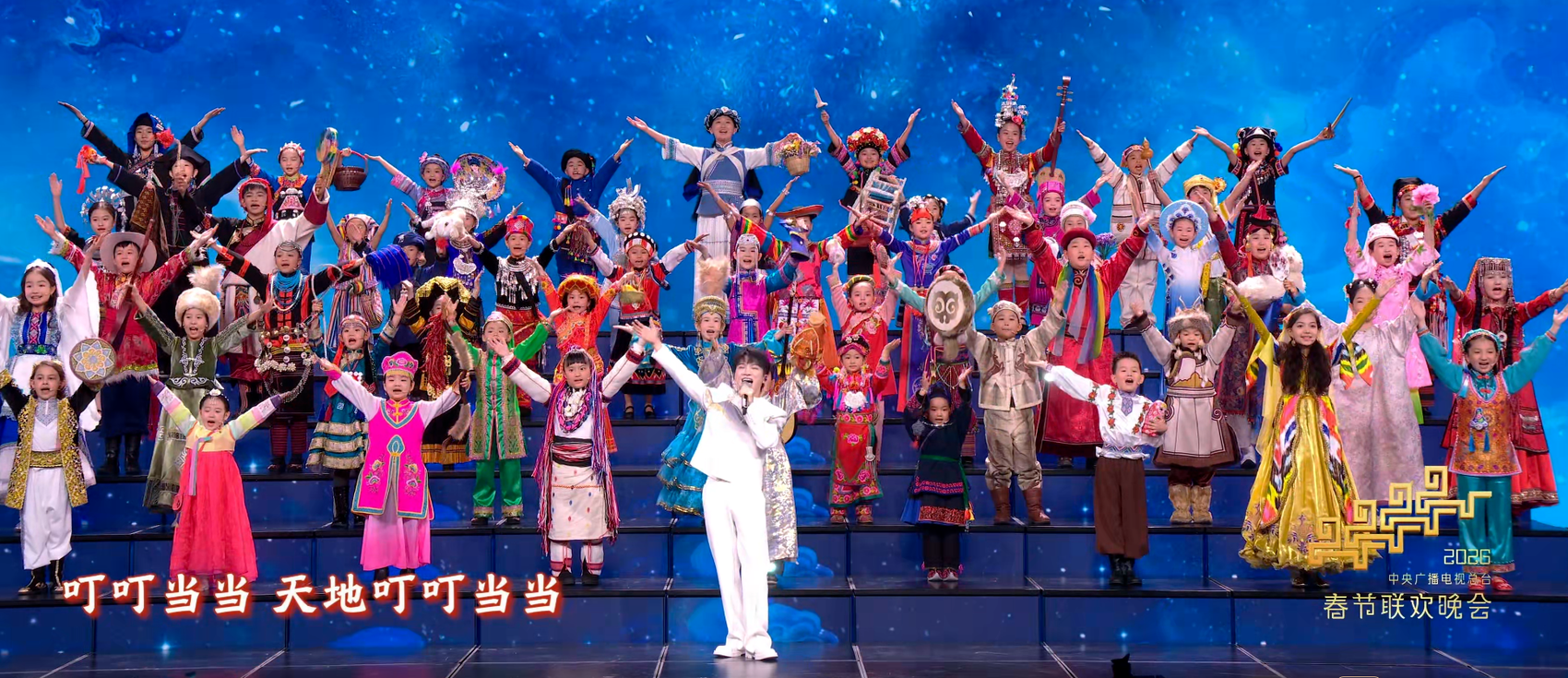
《玉盘》作者谭淇尹操刀新曲《吉量》:春晚有“神马”,四川有名驹
Xin Lang Cai Jing· 2026-02-16 15:12
Core Viewpoint - The song "Jiliang," performed by singer Zhou Shen at the 2026 Spring Festival Gala, is a work by young teacher Tan Qiyin from Sichuan Music College, continuing the theme of Chinese mythology and cultural heritage established in his previous work "Yupan" [1][3]. Group 1: Cultural Significance - "Jiliang" is rooted in ancient Chinese texts, specifically the "Shan Hai Jing," which describes a mythical horse named Jiliang that symbolizes longevity and serves as a spiritual representation of measuring land and completing life's journey [3][4]. - The song incorporates various ethnic musical instruments and elements from traditional Chinese culture, aiming to evoke the gentle strength associated with the Year of the Horse [4]. Group 2: Regional Equine Breeds - Sichuan is home to notable horse breeds such as Ganzi, Jianchang, and Hequ horses, which have been developed to adapt to the local ecological environment through selective breeding [4][5]. - The Hequ horse has a lineage that includes foreign genes, with origins tracing back to the Tang Dynasty, influenced by various external horse breeds [5]. - The Jianchang horse, known for its small size and strong endurance, has become favored for transportation in mountainous regions, reflecting changing demands in local commerce and daily life [8][10].

豫园灯会“美”到泰国去了 湄南河畔上演“山海奇豫记”
Jie Fang Ri Bao· 2025-06-30 01:35
Core Insights - The 2025 Thailand Yuyuan Lantern Festival showcases Chinese culture through vibrant lanterns along the Chao Phraya River, emphasizing the theme of "Shan Hai Ji" [1][2] - The festival integrates elements from the ancient Chinese text "Shan Hai Jing" with local Thai culture, creating an immersive outdoor experience [1][3] Group 1: Festival Design and Themes - The festival features a design based on the geographical concepts of "Four Seas and Eight Wastelands" from "Shan Hai Jing," creating themed lantern displays that represent various islands [1][2] - The main stage is located on the southern island, featuring a "Time-Space Mirror" that allows visitors to experience ancient Chinese mythology, incorporating local traditions of using seven colors to represent the days of the week [2] - The western island hosts the "White Ze" guardian from "Shan Hai Jing," symbolizing protection and disaster relief, and includes a market area showcasing cultural exchanges between China and Thailand [2][3] Group 2: Cultural Significance and Impact - The northern island serves as a sanctuary for various mythical creatures, symbolizing the blending of Chinese and Thai cultures and the enduring friendship between the two nations [3] - Since its inception in 1995, the Yuyuan Lantern Festival has evolved into a significant cultural event, promoting Chinese folklore and establishing a platform for international cultural exchange [3]