《吉量》

Search documents
周深五登春晚唱《吉量》:让古老文脉走出古籍走进大众
Xin Lang Cai Jing· 2026-02-23 12:30
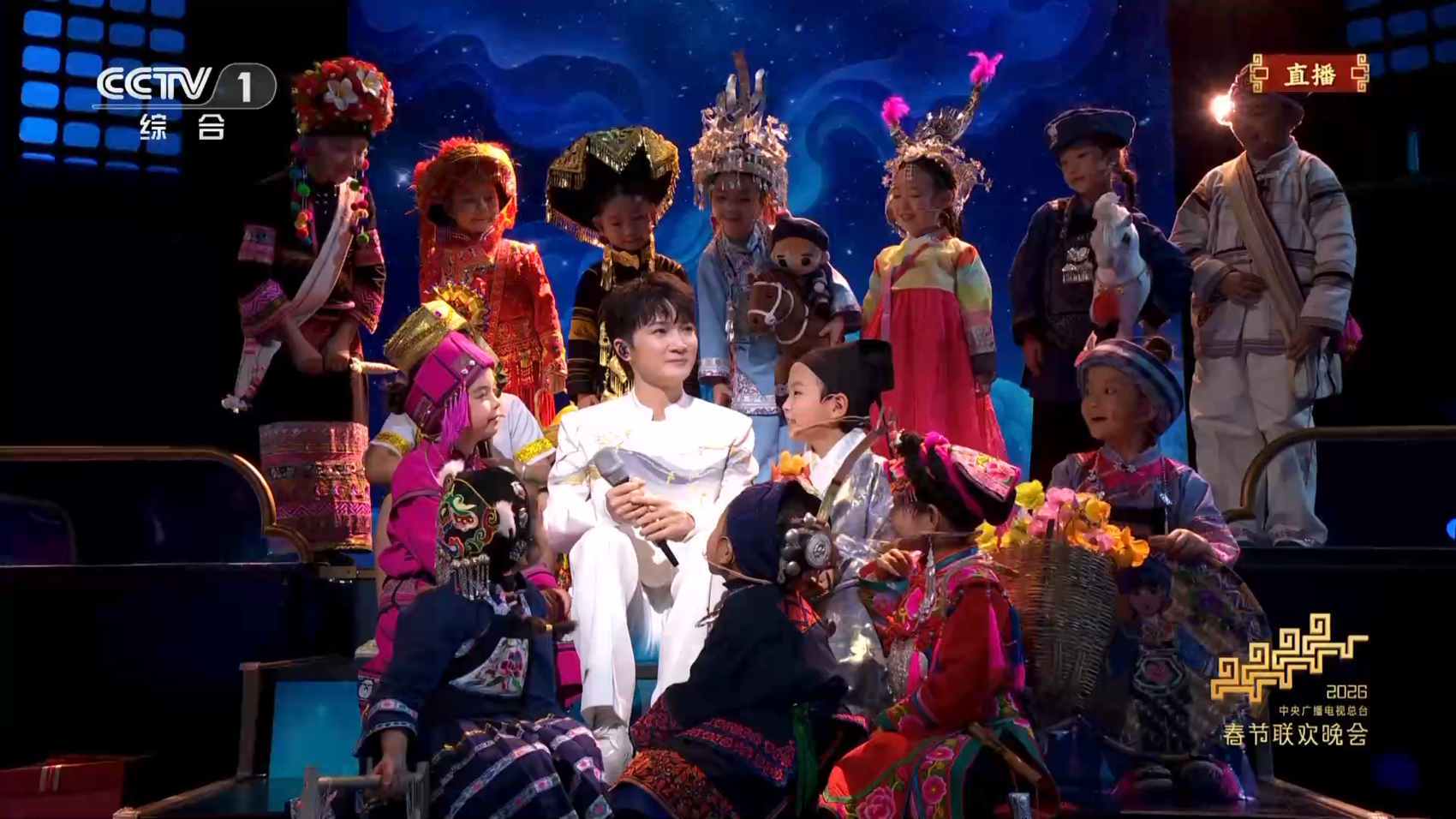
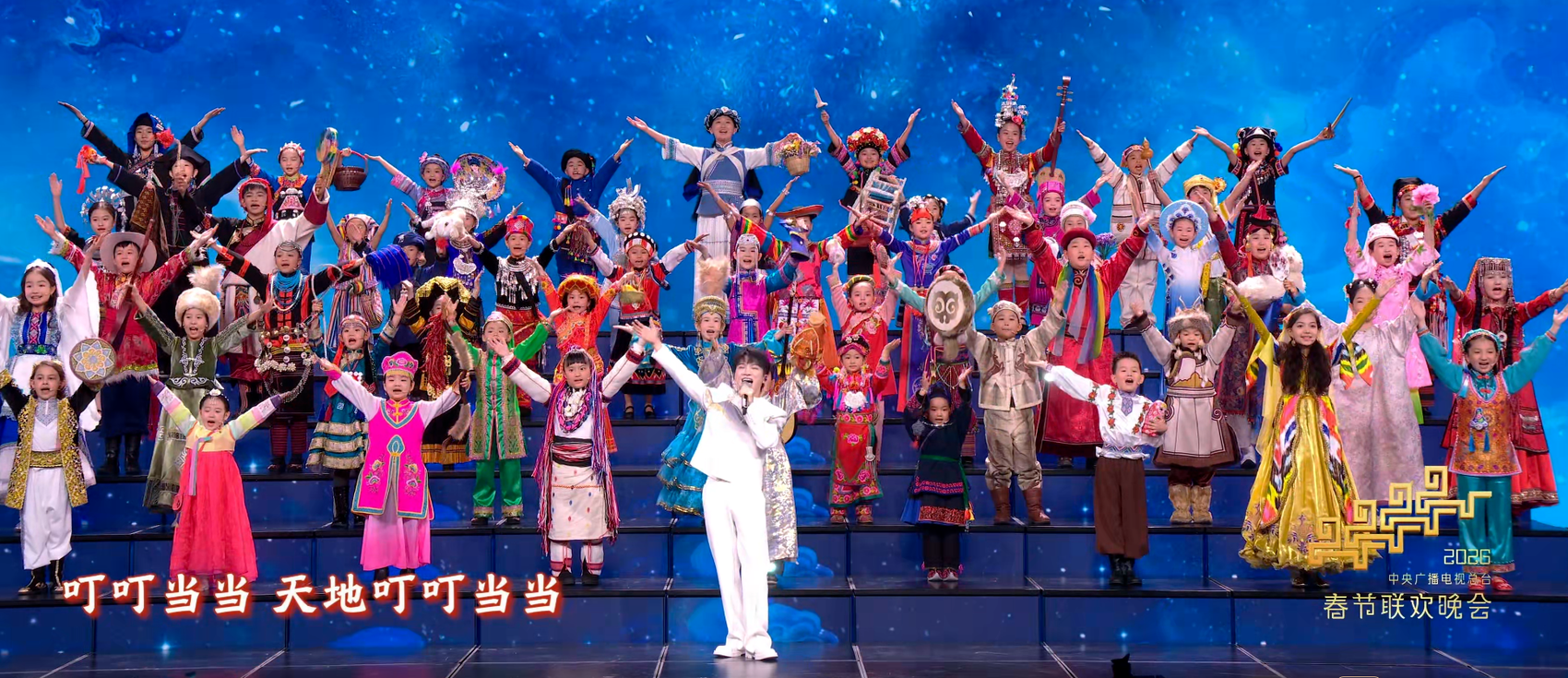
Core Viewpoint - The performance of the song "Jiliang" by young singer Zhou Shen at the 2026 CCTV Spring Festival Gala highlights the successful integration of traditional culture into contemporary expression, showcasing the artist's growth and responsibility in promoting cultural heritage [1][8]. Summary by Relevant Sections Performance Highlights - Zhou Shen's fifth appearance at the Spring Festival Gala featured the song "Jiliang," which became one of the major highlights of the gala [1][3]. - The song draws inspiration from the classic imagery of the "Jiliang Wenma" in the "Shan Hai Jing," symbolizing longevity and Eastern romance [3][4]. Musical Composition - "Jiliang" incorporates ancient mythological elements into a lively melody, transforming mythic narratives into a celebration of courage and freedom [4]. - The song features a multi-layered vocal design that enhances expressive tension, blending pure childlike voices with ethnic singing styles, and includes an original ecological chant segment [4][6]. Cultural Significance - The performance included children dressed in traditional costumes from 56 ethnic groups, symbolizing the beauty of unity and cultural diversity [6]. - Zhou Shen emphasized the importance of cultural transmission through music, aiming to connect universal human emotions such as the longing for bravery and hope for the future [6][8]. - The song's success is seen as a beneficial exploration of contemporary cultural dissemination, allowing ancient civilization to enter public consciousness in a new language [8].

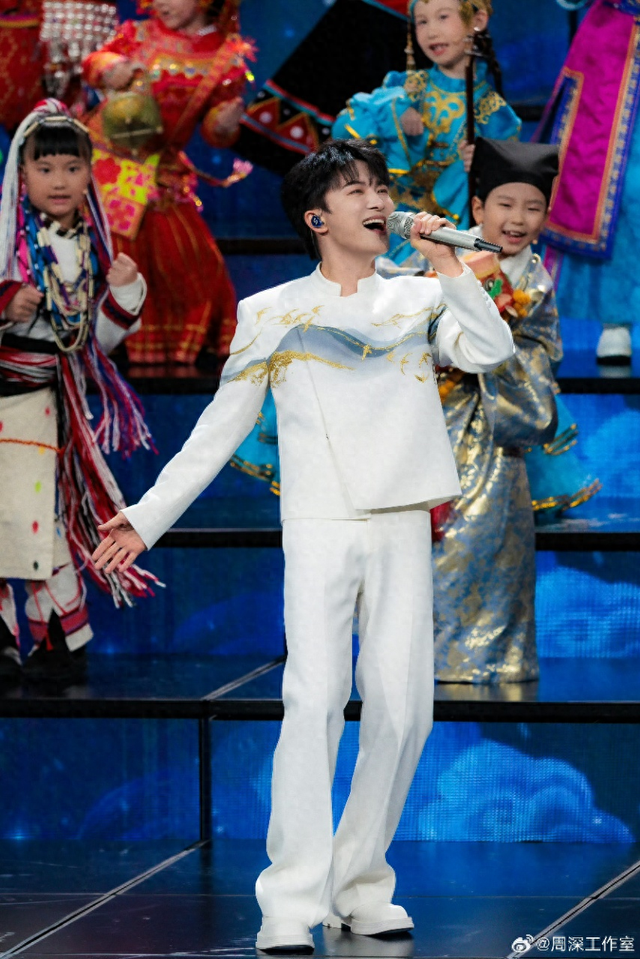
和周深一起登台的汉族小朋友是河北娃
Xin Lang Cai Jing· 2026-02-20 04:12
Core Viewpoint - The article highlights the performance of a young boy, Zhang Yanbo, from Hebei, who participated in the Spring Festival Gala alongside singer Zhou Shen, showcasing the cultural representation of China's 56 ethnic groups through children's performances [1] Group 1: Performance Highlights - Zhang Yanbo, an 8-year-old boy from Handan, Hebei, gained recognition for his role in the TV drama "Meritorious Service" where he played a significant scene with actor Lei Jiayin [1] - The performance at the Spring Festival Gala featured children in traditional ethnic costumes, creating a warm and joyful atmosphere [1] Group 2: Cultural Representation - The event emphasized the diversity of China's 56 ethnic groups, with children representing various cultures on stage [1] - The emotional connection and warmth of the performances resonated with the audience, as seen in the backstage interactions between Zhang Yanbo and other actors [1]
今年春晚的关键词,叫“团圆”!
Xin Lang Cai Jing· 2026-02-17 10:06
Group 1 - The Spring Festival Gala serves as a cultural gathering that unites global Chinese communities, emphasizing themes of national unity and technological progress [1][3] - The performances highlight the concept of "family reunion," showcasing diverse cultural expressions and collaborations between artists from different backgrounds, such as the duet between Jackie Chan and Lionel Richie [3][5] - The integration of technology in the gala, including AI-generated visuals and advanced robotics, reflects China's innovation and the blending of traditional culture with modern advancements [8][9] Group 2 - The gala emphasizes the emotional connection between Taiwan and mainland China, featuring performances by Taiwanese artists that evoke shared memories and cultural ties [5][9] - The event illustrates a vibrant and dynamic image of China, showcasing the spirit of unity among its 56 ethnic groups and the harmonious coexistence of ancient civilization with future technologies [9][10] - The overall atmosphere of the gala conveys a message of hope and collective progress, encouraging a forward-looking vision for the upcoming year [10]
新曲传递马年力量
Xin Lang Cai Jing· 2026-02-16 22:33
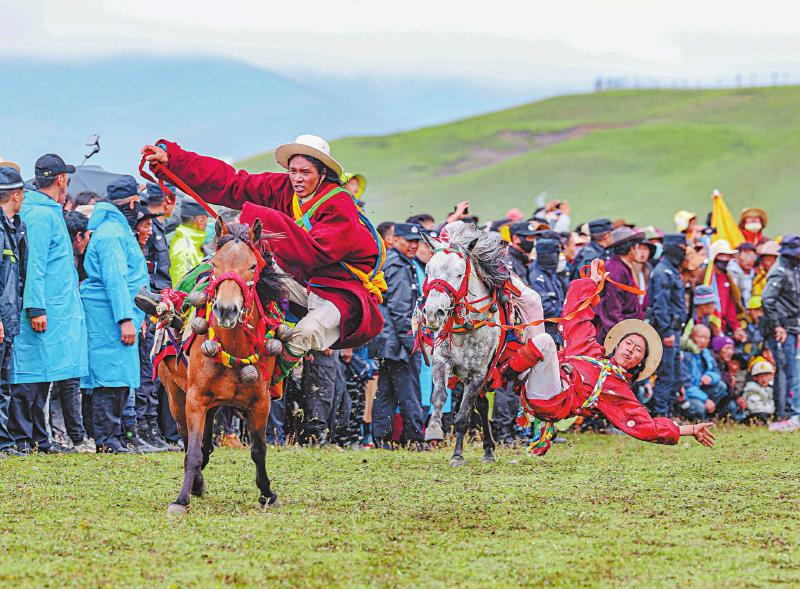
Core Viewpoint - The song "Jiliang" performed by singer Zhou Shen at this year's Spring Festival Gala highlights the cultural significance of horses in Chinese mythology and aims to promote traditional Chinese culture [2] Group 1: Cultural Significance - "Jiliang" is inspired by the ancient Chinese text "Shan Hai Jing," which describes a mythical horse symbolizing freedom, bravery, and loyalty [2] - The song serves as a spiritual symbol representing the journey of life, reflecting the positive attributes associated with horses [2] Group 2: Regional Heritage - Sichuan, the location of the Spring Festival Gala's sub-venue, is home to various horse breeds such as Ganzi, Jianchang, and Hequ, which have been developed to adapt to the local ecological environment [2] - The region's rich cultural resources allow for easy access to natural landscapes where horses can be seen, enhancing the connection between the performance and local heritage [2] Group 3: Musical Composition - Both "Jiliang" and the previous song "Yupan" utilize numerous ethnic musical instruments, showcasing the growth of works rooted in traditional Chinese culture [2] - The hope is that audiences will feel the gentleness and strength of the Year of the Horse through "Jiliang" while also fostering greater attention to traditional Chinese mythology [2]
这一夜 四川味道令人沉醉
Xin Lang Cai Jing· 2026-02-16 22:33
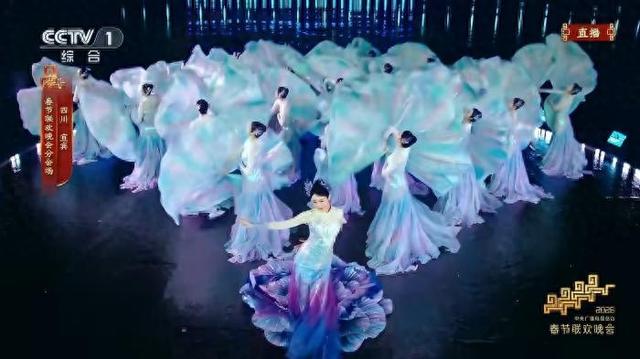
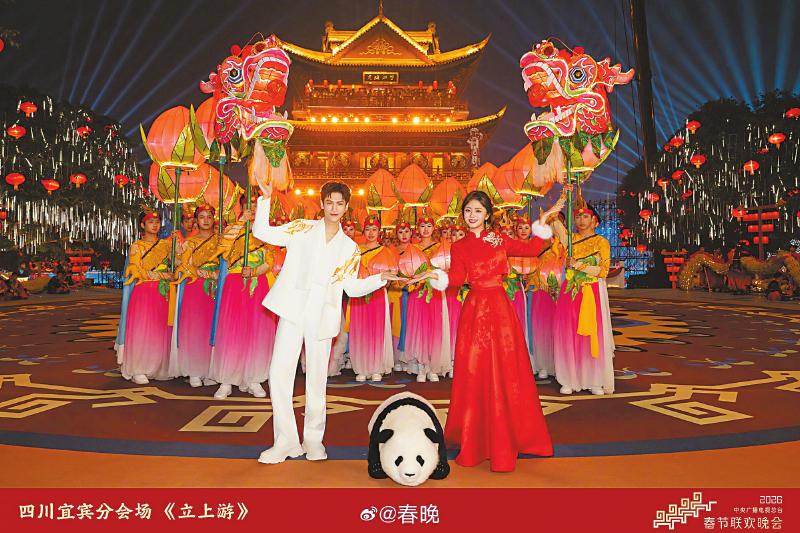
Core Viewpoint - The 2026 Spring Festival Gala showcased a high level of cultural representation from Sichuan, featuring local artists, original works, and intangible cultural heritage, bringing a rich taste of Sichuan to global audiences [2] Group 1: Event Highlights - The Yibin sub-venue was the first to perform at this year's gala, themed "Standing Upstream," with traditional customs like "Spring Wine" integrated throughout the event [3] - The performance included a symbolic representation of the "Chinese Bamboo Capital" Yibin, emphasizing the spirit of "Standing Upstream" through various artistic expressions [3] - A large-scale drone display was utilized to enhance the performance, merging technology with the natural beauty of the Yangtze River [3] Group 2: Artist Participation - Numerous Sichuan artists participated in the gala, including well-known figures such as Tan Songyun, Ding Zhen, and Zhang Liangying, showcasing their talents in various performances [4] - The gala featured popular songs from Sichuan artists, including Hai Lai Amu's new song "Dream Bottom," which aims to inspire dreamers [4][5] Group 3: Originality and Cultural Representation - The gala highlighted the originality of Sichuan's artistic community, with notable performances like Zhou Shen's heartfelt rendition of "Jiliang," written by Sichuan musician Tan Qiyin [6] - The event included a dynamic performance by the Chengdu Houmi Dance Troupe, collaborating with various orchestras to present a blend of classical and contemporary dance styles [6] - Comedy segments featured actors from the "Chinese Comedy Dream Factory," showcasing local humor and creativity through short skits [6]
宜宾分会场创意惊艳、文艺川军创造力奔涌,这届春晚“含川量”爆表
Xin Lang Cai Jing· 2026-02-16 17:15
Core Viewpoint - The 2026 Spring Festival Gala showcased a strong representation of Sichuan culture, featuring local artists, original works, and intangible cultural heritage, enhancing the festive atmosphere for global audiences [3][6][8]. Group 1: Sichuan Representation - The Sichuan Yibin sub-venue opened the gala with a theme of "Standing Upstream," highlighting local customs and scenic beauty, creating a vibrant atmosphere [3][6]. - The performance incorporated numerous elements of intangible cultural heritage, including Sichuan opera and traditional culinary arts, showcasing the region's cultural vitality [6][8]. - Many Sichuan artists participated, including newcomers like Tan Songyun and Ding Zhenzhen, as well as established figures such as Zhang Liangying and Li Ziqi, celebrating their hometown [8][10]. Group 2: Artistic Contributions - Sichuan artists made significant contributions to the gala, with performances like "Dream Bottom" by Hai Lai Amu and "Mountain and Sea Seeking Dreams" by Liao Changyong and Tan Weiwei, emphasizing themes of aspiration and cultural pride [10][12]. - The gala featured original works from Sichuan musicians, such as the song "Jiliang," inspired by Chinese mythology, showcasing the region's rich artistic resources [14]. - Creative street dance performances from Chengdu, including a collaboration with various dance troupes, added a dynamic element to the gala, blending classical and contemporary styles [14]. Group 3: Comedy and Entertainment - The gala included comedic performances from emerging actors from the "Chinese Comedy Dream Factory," highlighting the growing talent pool in Sichuan's entertainment industry [18]. - The integration of local humor and storytelling in the comedy segments reflected the cultural nuances of Sichuan, engaging audiences with relatable content [18].
周深《吉量》惊艳春晚,原来是《玉盘》词曲作者再出马
Xin Lang Cai Jing· 2026-02-16 15:12
Core Viewpoint - The article highlights the release of the song "Jiliang" by renowned singer Zhou Shen, composed by musician Tan Qiyin, emphasizing its connection to Chinese mythology and traditional culture [1][3]. Group 1: Song Overview - "Jiliang" features a blend of ethereal melodies and playful lyrics, performed alongside children from 56 ethnic groups during the Spring Festival Gala [1]. - The song draws inspiration from the ancient Chinese text "Shan Hai Jing," depicting a mythical horse named "Jiliang," symbolizing auspiciousness and success [3]. Group 2: Cultural Significance - The song is part of a planned series focusing on Chinese mythology, with the horse representing freedom, bravery, and loyalty, while also symbolizing the journey of life [3]. - Both "Jiliang" and Tan Qiyin's previous hit "Yupan" are rooted in traditional Chinese culture, utilizing various ethnic musical instruments [3]. Group 3: Collaboration Insights - Tan Qiyin praises Zhou Shen's distinctive voice, which effectively conveys the characteristics of "Jiliang," capturing the horse's spirit and strength [3]. - The hope is that listeners will feel the gentle yet powerful essence of the Year of the Horse and gain more awareness of Chinese traditional mythology through the song [3].
《玉盘》作者谭淇尹操刀新曲《吉量》:春晚有“神马”,四川有名驹
Xin Lang Cai Jing· 2026-02-16 15:12
Core Viewpoint - The song "Jiliang," performed by singer Zhou Shen at the 2026 Spring Festival Gala, is a work by young teacher Tan Qiyin from Sichuan Music College, continuing the theme of Chinese mythology and cultural heritage established in his previous work "Yupan" [1][3]. Group 1: Cultural Significance - "Jiliang" is rooted in ancient Chinese texts, specifically the "Shan Hai Jing," which describes a mythical horse named Jiliang that symbolizes longevity and serves as a spiritual representation of measuring land and completing life's journey [3][4]. - The song incorporates various ethnic musical instruments and elements from traditional Chinese culture, aiming to evoke the gentle strength associated with the Year of the Horse [4]. Group 2: Regional Equine Breeds - Sichuan is home to notable horse breeds such as Ganzi, Jianchang, and Hequ horses, which have been developed to adapt to the local ecological environment through selective breeding [4][5]. - The Hequ horse has a lineage that includes foreign genes, with origins tracing back to the Tang Dynasty, influenced by various external horse breeds [5]. - The Jianchang horse, known for its small size and strong endurance, has become favored for transportation in mountainous regions, reflecting changing demands in local commerce and daily life [8][10].
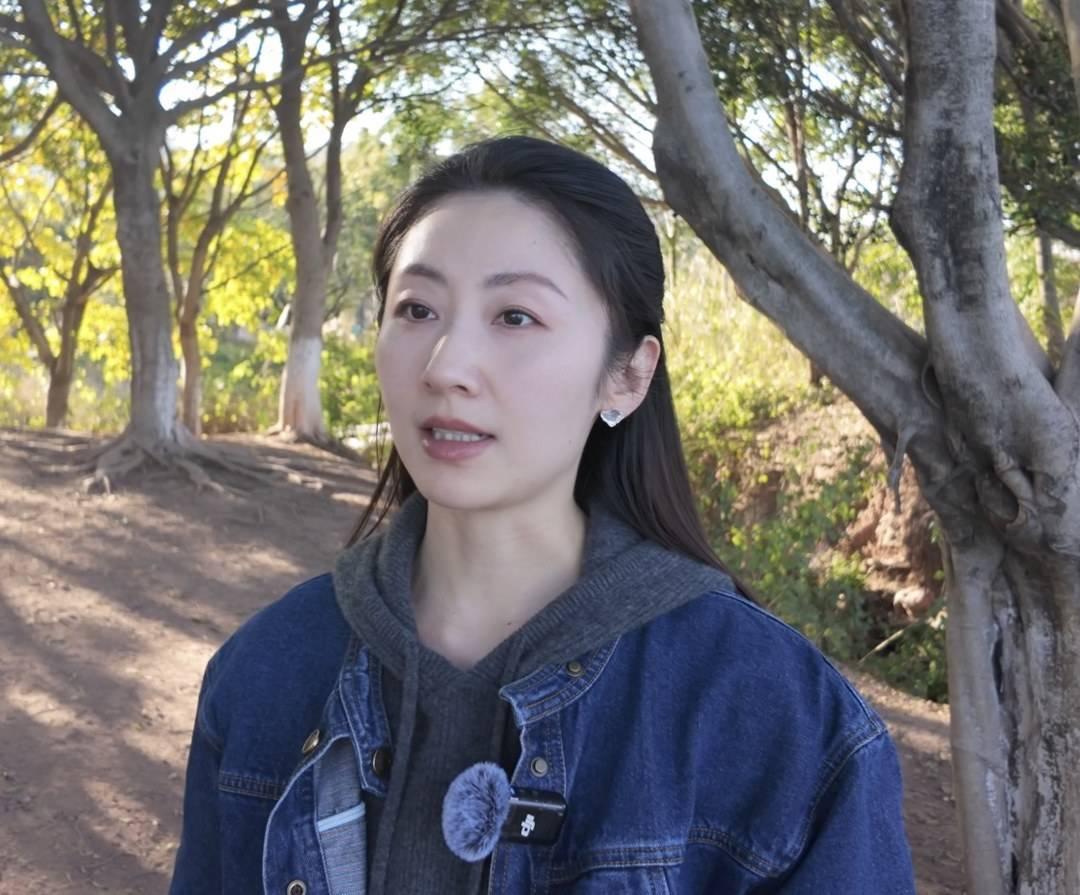
周深吉量暗藏多少门道?创作者回应
Xin Lang Cai Jing· 2026-02-16 14:09
Core Viewpoint - The article discusses the creative process behind the song "吉量" performed by singer Zhou Shen during the Spring Festival Gala, highlighting its inspiration from Chinese mythology and the collaboration between the songwriter Tan Qiyin and Zhou Shen [1] Group 1: Song Inspiration and Themes - The song "吉量" draws inspiration from the "Shan Hai Jing" (Classic of Mountains and Seas), specifically referencing the mythical creature "吉量" [1] - The themes of the song include freedom, bravery, and loyalty, symbolized by the horse, which is also associated with journeys and life experiences [1] - Tan Qiyin has been focusing on creating songs related to Chinese mythology, with "吉量" being part of a series that reflects this interest [1] Group 2: Creative Process and Collaboration - The production process of the song was described as smooth, with the program team providing significant creative freedom to Tan Qiyin [1] - Zhou Shen was invited to perform the song after its composition, chosen for his distinctive voice and musical interpretation that captures the essence of the song [1] - Tan Qiyin noted that Zhou Shen effectively expressed both the agility and strength of the character represented in the song [1]
春晚周深唱的“吉量”是什么?川籍创作者谭淇尹解读幕后故事
Xin Lang Cai Jing· 2026-02-16 14:09
Core Viewpoint - The song "Jiliang," performed by singer Zhou Shen during the Spring Festival Gala, embodies themes of warmth and strength, drawing inspiration from Chinese mythology and the "Shan Hai Jing" [1][2]. Group 1: Song Creation and Themes - The creator of "Jiliang," Tan Qiyin, derived inspiration from the "Shan Hai Jing," specifically the mythical horse "Jiliang," which symbolizes freedom, bravery, and loyalty [4]. - The song reflects the journey of life, using "Jiliang" as a metaphor for measuring land and completing life’s journey [4]. - Tan Qiyin has been focusing on creating songs related to Chinese mythology, with "Jiliang" featuring elements from the "Shan Hai Jing," including hidden references [4]. Group 2: Collaboration and Production - The production process of "Jiliang" was smooth, with the program team providing significant creative freedom to Tan Qiyin [5]. - Zhou Shen was invited to perform the song after its initial creation, praised for his distinctive voice and ability to convey the song's themes of vitality and strength [5]. - Tan Qiyin expressed gratitude for being able to contribute to the music scene in Sichuan, highlighting the region's rich cultural and natural resources as sources of inspiration [5].