中国传统神话

Search documents
新曲传递马年力量
Xin Lang Cai Jing· 2026-02-16 22:33
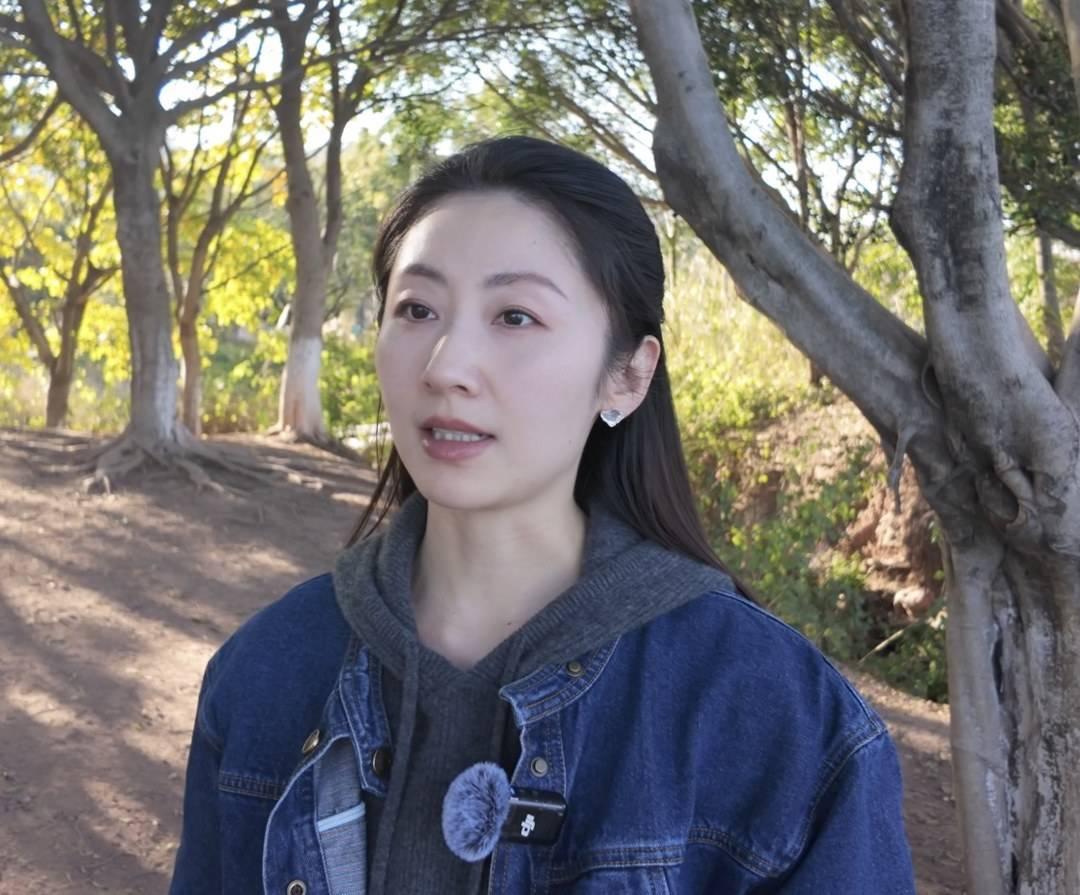
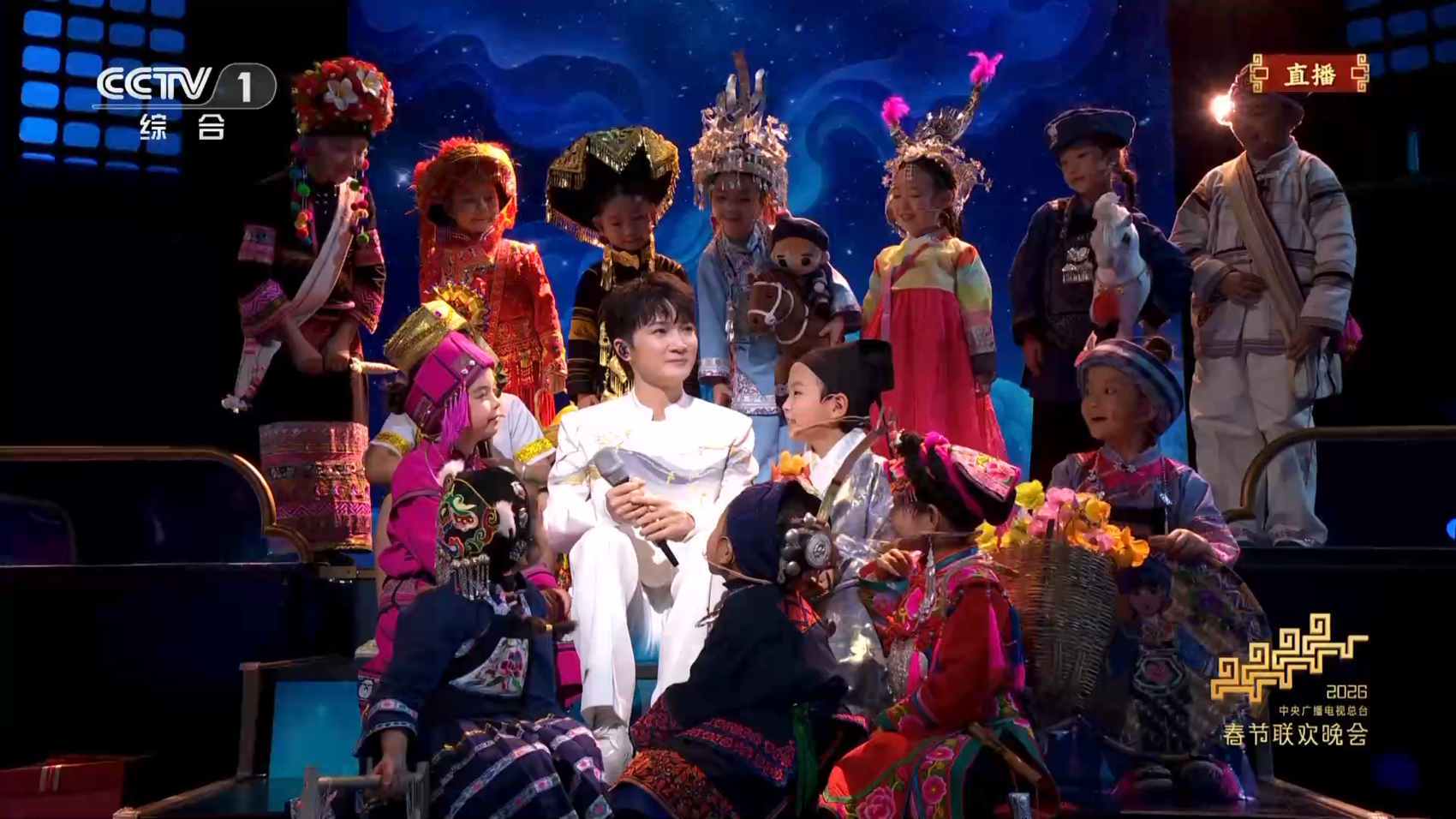
Core Viewpoint - The song "Jiliang" performed by singer Zhou Shen at this year's Spring Festival Gala highlights the cultural significance of horses in Chinese mythology and aims to promote traditional Chinese culture [2] Group 1: Cultural Significance - "Jiliang" is inspired by the ancient Chinese text "Shan Hai Jing," which describes a mythical horse symbolizing freedom, bravery, and loyalty [2] - The song serves as a spiritual symbol representing the journey of life, reflecting the positive attributes associated with horses [2] Group 2: Regional Heritage - Sichuan, the location of the Spring Festival Gala's sub-venue, is home to various horse breeds such as Ganzi, Jianchang, and Hequ, which have been developed to adapt to the local ecological environment [2] - The region's rich cultural resources allow for easy access to natural landscapes where horses can be seen, enhancing the connection between the performance and local heritage [2] Group 3: Musical Composition - Both "Jiliang" and the previous song "Yupan" utilize numerous ethnic musical instruments, showcasing the growth of works rooted in traditional Chinese culture [2] - The hope is that audiences will feel the gentleness and strength of the Year of the Horse through "Jiliang" while also fostering greater attention to traditional Chinese mythology [2]

周深《吉量》惊艳春晚,原来是《玉盘》词曲作者再出马
Xin Lang Cai Jing· 2026-02-16 15:12
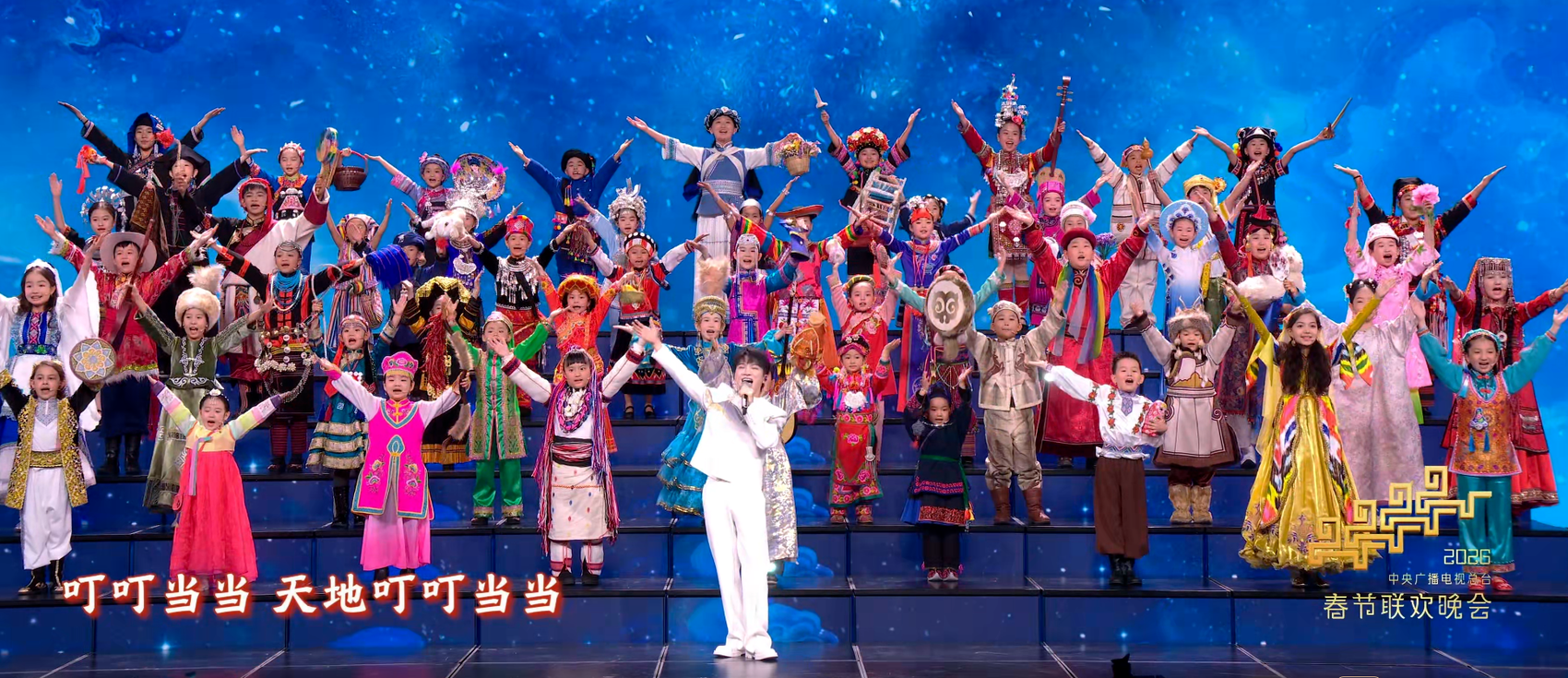
Core Viewpoint - The article highlights the release of the song "Jiliang" by renowned singer Zhou Shen, composed by musician Tan Qiyin, emphasizing its connection to Chinese mythology and traditional culture [1][3]. Group 1: Song Overview - "Jiliang" features a blend of ethereal melodies and playful lyrics, performed alongside children from 56 ethnic groups during the Spring Festival Gala [1]. - The song draws inspiration from the ancient Chinese text "Shan Hai Jing," depicting a mythical horse named "Jiliang," symbolizing auspiciousness and success [3]. Group 2: Cultural Significance - The song is part of a planned series focusing on Chinese mythology, with the horse representing freedom, bravery, and loyalty, while also symbolizing the journey of life [3]. - Both "Jiliang" and Tan Qiyin's previous hit "Yupan" are rooted in traditional Chinese culture, utilizing various ethnic musical instruments [3]. Group 3: Collaboration Insights - Tan Qiyin praises Zhou Shen's distinctive voice, which effectively conveys the characteristics of "Jiliang," capturing the horse's spirit and strength [3]. - The hope is that listeners will feel the gentle yet powerful essence of the Year of the Horse and gain more awareness of Chinese traditional mythology through the song [3].
《玉盘》作者谭淇尹操刀新曲《吉量》:春晚有“神马”,四川有名驹
Xin Lang Cai Jing· 2026-02-16 15:12
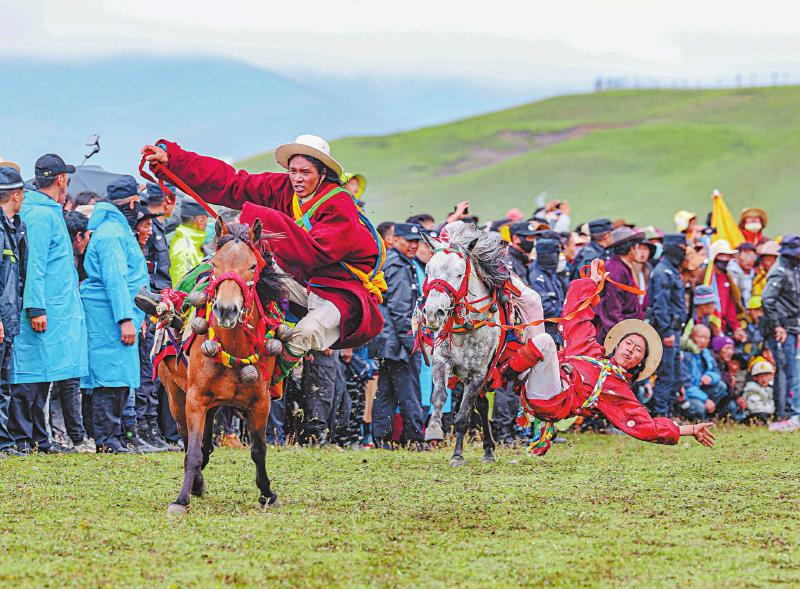
Core Viewpoint - The song "Jiliang," performed by singer Zhou Shen at the 2026 Spring Festival Gala, is a work by young teacher Tan Qiyin from Sichuan Music College, continuing the theme of Chinese mythology and cultural heritage established in his previous work "Yupan" [1][3]. Group 1: Cultural Significance - "Jiliang" is rooted in ancient Chinese texts, specifically the "Shan Hai Jing," which describes a mythical horse named Jiliang that symbolizes longevity and serves as a spiritual representation of measuring land and completing life's journey [3][4]. - The song incorporates various ethnic musical instruments and elements from traditional Chinese culture, aiming to evoke the gentle strength associated with the Year of the Horse [4]. Group 2: Regional Equine Breeds - Sichuan is home to notable horse breeds such as Ganzi, Jianchang, and Hequ horses, which have been developed to adapt to the local ecological environment through selective breeding [4][5]. - The Hequ horse has a lineage that includes foreign genes, with origins tracing back to the Tang Dynasty, influenced by various external horse breeds [5]. - The Jianchang horse, known for its small size and strong endurance, has become favored for transportation in mountainous regions, reflecting changing demands in local commerce and daily life [8][10].
春晚周深唱的“吉量”是什么?川籍创作者谭淇尹解读幕后故事
Xin Lang Cai Jing· 2026-02-16 14:09
Core Viewpoint - The song "Jiliang," performed by singer Zhou Shen during the Spring Festival Gala, embodies themes of warmth and strength, drawing inspiration from Chinese mythology and the "Shan Hai Jing" [1][2]. Group 1: Song Creation and Themes - The creator of "Jiliang," Tan Qiyin, derived inspiration from the "Shan Hai Jing," specifically the mythical horse "Jiliang," which symbolizes freedom, bravery, and loyalty [4]. - The song reflects the journey of life, using "Jiliang" as a metaphor for measuring land and completing life’s journey [4]. - Tan Qiyin has been focusing on creating songs related to Chinese mythology, with "Jiliang" featuring elements from the "Shan Hai Jing," including hidden references [4]. Group 2: Collaboration and Production - The production process of "Jiliang" was smooth, with the program team providing significant creative freedom to Tan Qiyin [5]. - Zhou Shen was invited to perform the song after its initial creation, praised for his distinctive voice and ability to convey the song's themes of vitality and strength [5]. - Tan Qiyin expressed gratitude for being able to contribute to the music scene in Sichuan, highlighting the region's rich cultural and natural resources as sources of inspiration [5].