万物互信

Search documents
寻找隐形冠军|谁在帮助“万物互信”
Xin Hua Wang· 2025-12-22 06:44
Group 1 - The core idea of the article emphasizes the growing importance and convenience of electronic signatures supported by digital certification in various sectors, including banking, insurance, and government services [2] - Digital certification initially addressed the issue of digital identity for internet users, but its application has expanded significantly with the rapid development of internet technology and business applications [2] - The introduction of digital certification technology in government services has facilitated the concept of "data running more, people running less," effectively supporting the construction of a digital government [2] Group 2 - The application of digital certification is widespread in internet finance and consumer finance sectors, enhancing efficiency and security [2] - With the support of big data and artificial intelligence technologies, digital certification is helping to establish "trust among all things," indicating a future where smart homes, robots, and connected vehicles will benefit from digital certification [2]


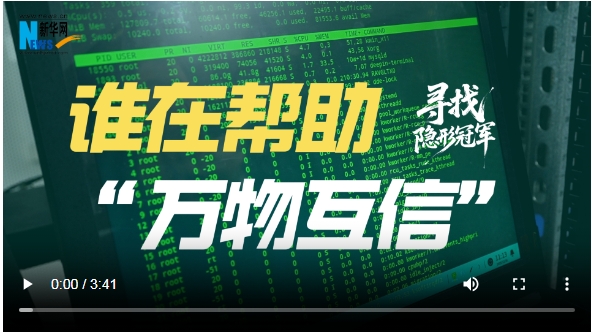
清华大学教授柴跃廷:加快构建大宗商品可信贸易市场
Sou Hu Cai Jing· 2025-12-21 02:17
Core Viewpoint - The current commodity trading market relies on traditional models, leading to high user acquisition costs and low effectiveness, which hinders the formation of a large-scale trading ecosystem. New technologies are needed to transition from "Internet of Everything" to "Internet of Trust" to establish a credible trading market for commodities [1][4]. Group 1: Current Challenges - The existing trading model suffers from issues such as incomplete trust in trading entities, data, and processes, along with frequent leaks of personal privacy and business secrets. This results in high intermediary costs and fragmented market information, which are global and foundational problems difficult to resolve under the current framework [2][3]. Group 2: Proposed Solutions - The rapid development of new information network technologies like cloud computing, big data, IoT, AI, and blockchain provides the necessary foundation to fundamentally address the issues of the current model and meet the evolving demands of users [4]. - A proposed overall architecture for a credible trading market includes: 1. Establishing a globally open infrastructure for credible commodity trading, allowing all market participants to register their real, compliant identities and publish genuine supply and demand information [4]. 2. Providing personalized trade terminal systems for participants to easily access the infrastructure and conduct trade activities securely [4]. 3. Offering regulatory facilities for government departments to enable proactive and intelligent oversight when necessary [4]. Group 3: Implementation Strategy - The only viable strategy for building credible trading infrastructure is government-led with market-oriented operations. This approach emphasizes the distinct roles of government and market, leveraging their respective advantages. The government should provide regulations, standards, policies, and financial support, while enterprises focus on construction and operation [5].