上海指数

Search documents
城市,如何让生活更美好?
Di Yi Cai Jing· 2025-11-27 07:24
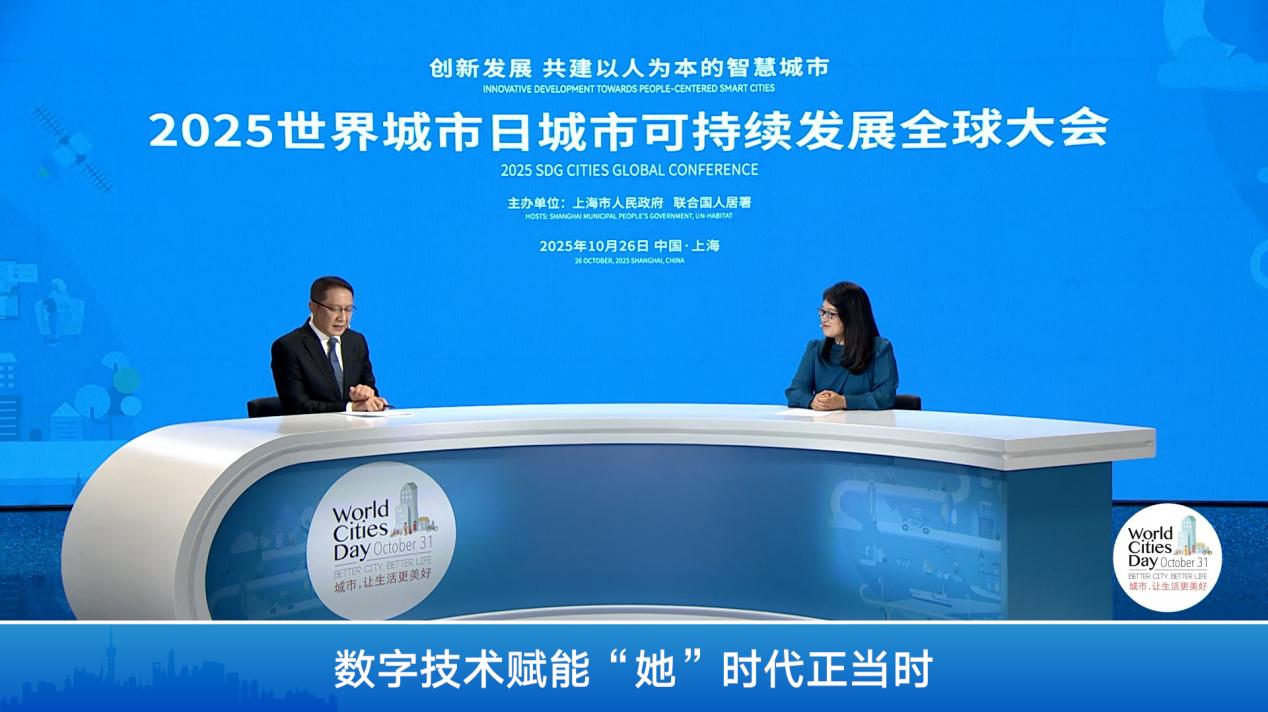
Group 1 - The core idea emphasizes the importance of both scientific metrics and humanistic care in the sustainable development of cities, particularly through discussions on "women-friendly cities" and the "Shanghai Index" during the 2025 World Cities Day Global Conference on Urban Sustainable Development [1][3] Group 2 - Significant progress has been made in women's friendliness in Chinese cities over the past 20 years, with improvements in public lighting and the establishment of family care rooms reflecting the city's attention to women's and family needs [3][5] - However, there are still "invisible inconveniences" in urban development, such as the replacement of small shops by large supermarkets, which diminishes women's shopping convenience and community engagement [3][5] - The concept of "independent women" is discussed, highlighting that true independence involves "multiple dependencies," allowing women to balance family responsibilities and social value [5] Group 3 - The "Shanghai Index," developed by the Shanghai government and UN-Habitat, serves as a measurement tool for global urban sustainable development, focusing on four core values: safety, inclusivity, resilience, and sustainability [7][9] - The index consists of a foundational database with 47 indicators, designed for self-comparison and improvement rather than competition among cities [7][9] - It aims to support scientific public policy decisions in urban renewal, using specific indicators like the "urban night lighting index" to track vitality changes in built-up areas [7][9] Group 4 - The "Shanghai Index" is tailored for different city types, allowing for differentiated application scenarios, akin to various events in the Olympics with their own scoring standards [9] - Future development of the index is envisioned to complement other technical tools, guiding global cities towards greener, fairer, and smarter development [9]

不排名、重进步,全球100多个城市应用的上海指数如何推动可持续发展转变
Di Yi Cai Jing· 2025-11-01 06:21
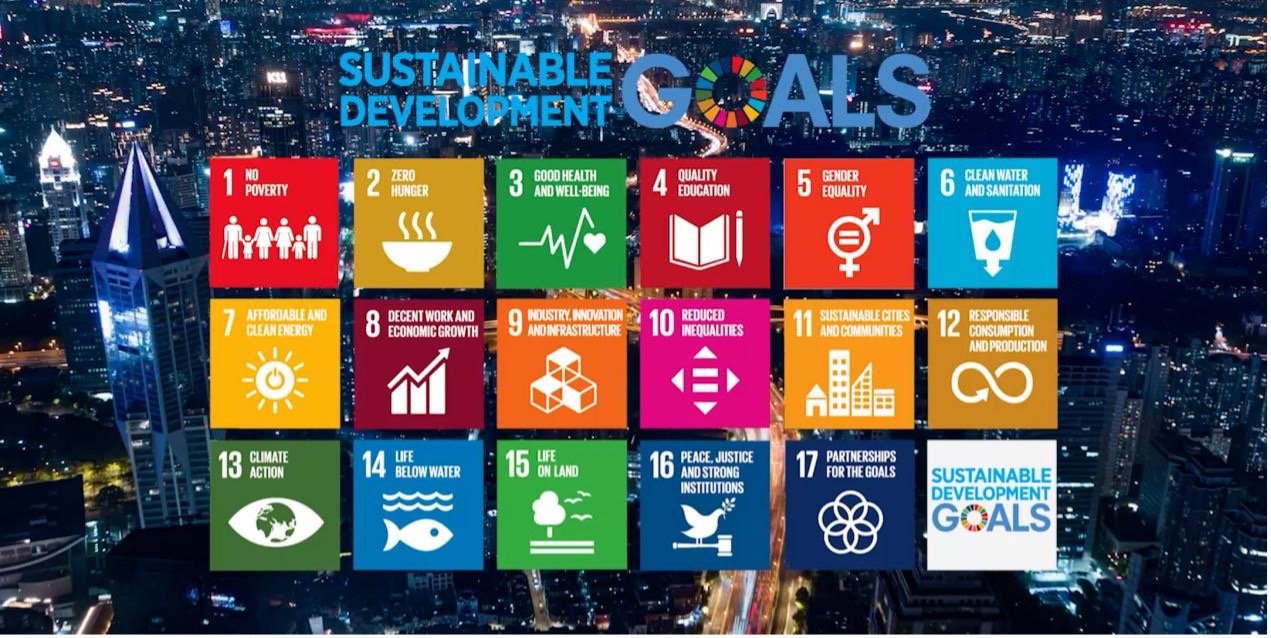
Core Insights - The Shanghai Index is evolving from a theoretical framework into a practical policy tool and collaboration platform for promoting sustainable urban development globally [1][3] - The release of the Shanghai Index Application Report at the World Cities Day event highlights its role in providing a structured approach to assess urban sustainability [1][3] Application Scenarios - The Shanghai Index, officially known as the Global Urban Monitoring Framework - Shanghai Application Index, is developed to scientifically diagnose and analyze the progress of urban sustainability [3][4] - The index includes 47 key indicators tailored to various application scenarios, focusing on human-centered urban renewal and aligning with UN Sustainable Development Goals [3][4] - Specific application scenarios include indicators for innovation cities, health cities, and mega cities, addressing diverse urban challenges [5][6] Indicator Framework - The indicator system is based on the "Shanghai Index 5×4 framework," featuring seven key indicators that capture economic and social vitality changes due to urban renewal [4][5] - The framework includes traditional metrics like GDP growth and PM2.5 concentration, alongside innovative indicators such as built-up area light index [4][5] Progress and Adaptability - The Shanghai Index emphasizes progressiveness, focusing on the improvement of urban sustainability levels rather than ranking cities [8][10] - It is designed to be an open platform that adapts to the unique stories and challenges of different cities, ensuring relevance and applicability [11][12] - The index aims to guide public policy formulation by identifying urban shortcomings and suggesting actionable solutions [5][12] Global Application and Future Directions - Over 100 cities worldwide are currently piloting the Shanghai Index, with ongoing efforts to refine its methodology through practical applications [14] - Future initiatives include integrating artificial intelligence and big data to enhance the index's capabilities and creating a global urban database for shared access [15]