独立女性

Search documents
章泽天要自立门户了?
Hua Er Jie Jian Wen· 2026-01-13 10:21
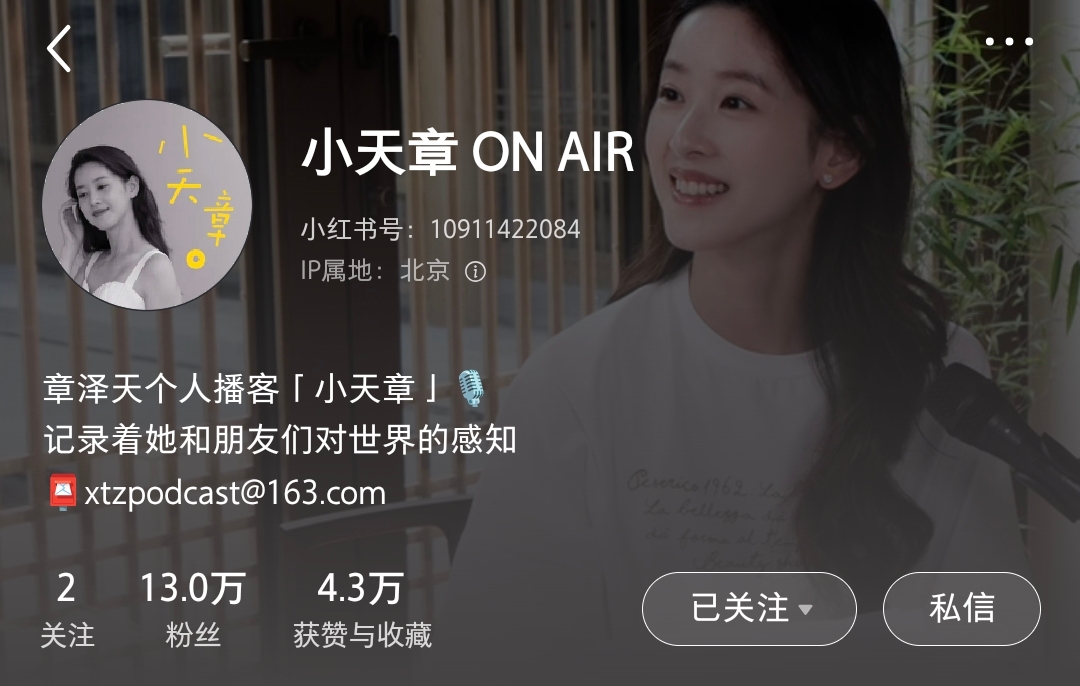
Core Insights - Zhang Zetian has re-entered the spotlight of the Chinese internet by launching her personal podcast "Xiao Tian Zhang" and a Xiaohongshu account, achieving significant engagement shortly after launch [3][4][11] - The timing of her return coincides with Liu Qiangdong's public re-emergence at JD.com, suggesting a strategic effort to enhance JD's visibility through their combined presence [3][9] - Zhang's podcast aims to establish her as an independent female figure, aligning with current trends favoring deep, conversational content over short-form media [10] Group 1: Podcast Launch and Content - The first episode of the podcast features actress Liu Jialing, setting a tone focused on fashion and personal stories, which aligns with Zhang's interests [4] - Zhang expressed her desire to engage with entrepreneurs and discuss technology and business trends, indicating a broader thematic scope for future episodes [4][10] - The podcast's name "Xiao Tian Zhang" reflects her intention to present a more authentic self to the audience [3] Group 2: Market Context and Audience - The Chinese podcast market is experiencing rapid growth, with an expected audience of over 150 million by 2025, marking a 43.6% year-on-year increase [5] - Xiaoyuzhou, the platform hosting the podcast, has over 10 million registered users, primarily from second-tier cities, with a demographic skew towards young, educated, and high-income individuals [6] - Various content platforms are increasing investments in video podcasts, indicating a competitive landscape that Zhang is entering [7][8] Group 3: Strategic Positioning - Zhang's connections within the top-tier business community provide her podcast with a unique advantage, differentiating it from typical influencer content [5] - Her efforts to build a personal brand as an independent woman are complemented by her previous role as "JD's boss lady," which has helped her attract high-end fashion resources [9][10] - The current trend of independent female narratives in the internet space aligns with Zhang's branding strategy, potentially enhancing JD's appeal to female consumers [10]


大家同情的不是王石,是终将老去的自己
虎嗅APP· 2026-01-07 10:11
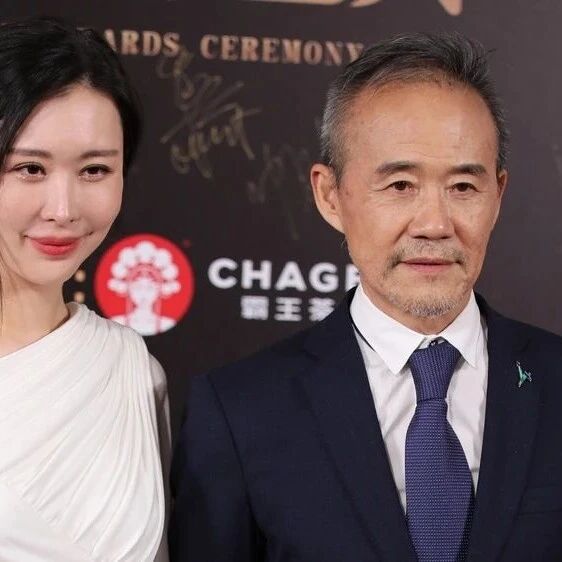
Core Viewpoint - The article discusses the complex dynamics of the relationship between Wang Shi and Tian Puqin, highlighting societal perceptions and moral judgments surrounding their age-gap romance, as well as the implications for both individuals in the context of public opinion and personal identity [4][5][7]. Group 1: Relationship Dynamics - The relationship between Wang Shi and Tian Puqin has faced scrutiny, particularly after signs of potential separation emerged, such as deleted social media posts and public appearances with minimal interaction [4][5]. - Initial public reactions to their relationship were largely negative, with Wang Shi facing significant moral scrutiny due to societal expectations of successful individuals [7][8]. - The public's perception of Wang Shi shifted from admiration to criticism, particularly after the revelation of his relationship with a much younger partner, which was seen as a betrayal of traditional values [7][9]. Group 2: Societal Expectations and Criticism - The article notes that Chinese society holds successful individuals to high moral standards, expecting their personal lives to reflect their professional achievements [7][8]. - Wang Shi's relationship was interpreted as a moral failing, particularly due to the cultural emphasis on loyalty to one's spouse and the traditional view of marriage [8][9]. - The backlash against their relationship reflects broader societal anxieties regarding wealth and power dynamics, particularly the perception of resource exchange rather than genuine affection [9][10]. Group 3: Individual Identity and Public Perception - Tian Puqin's identity as an independent woman has been challenged by public perception, with many viewing her as reliant on Wang Shi's status and resources [11][12]. - Despite her efforts to portray herself as a self-sufficient individual, the public narrative often reduces her success to her association with Wang Shi, leading to a disconnect between her self-image and societal views [12][16]. - The article suggests that Tian Puqin's attempts to assert her independence may have inadvertently fueled public skepticism about her motivations and authenticity [16][17]. Group 4: Emotional and Moral Reactions - The article highlights a shift in public sentiment towards Wang Shi, with some expressing sympathy for him as he ages and faces potential separation, contrasting with earlier criticisms [18][19]. - This emotional reversal reflects a collective anxiety about aging and the loss of status, as many see Wang Shi's situation as a mirror of their own fears regarding vulnerability in later life [21][22]. - The narrative surrounding Wang Shi and Tian Puqin serves as a societal commentary on the fragility of personal relationships and the moral complexities of love, success, and aging [23][24].
城市,如何让生活更美好?
Di Yi Cai Jing· 2025-11-27 07:24
Group 1 - The core idea emphasizes the importance of both scientific metrics and humanistic care in the sustainable development of cities, particularly through discussions on "women-friendly cities" and the "Shanghai Index" during the 2025 World Cities Day Global Conference on Urban Sustainable Development [1][3] Group 2 - Significant progress has been made in women's friendliness in Chinese cities over the past 20 years, with improvements in public lighting and the establishment of family care rooms reflecting the city's attention to women's and family needs [3][5] - However, there are still "invisible inconveniences" in urban development, such as the replacement of small shops by large supermarkets, which diminishes women's shopping convenience and community engagement [3][5] - The concept of "independent women" is discussed, highlighting that true independence involves "multiple dependencies," allowing women to balance family responsibilities and social value [5] Group 3 - The "Shanghai Index," developed by the Shanghai government and UN-Habitat, serves as a measurement tool for global urban sustainable development, focusing on four core values: safety, inclusivity, resilience, and sustainability [7][9] - The index consists of a foundational database with 47 indicators, designed for self-comparison and improvement rather than competition among cities [7][9] - It aims to support scientific public policy decisions in urban renewal, using specific indicators like the "urban night lighting index" to track vitality changes in built-up areas [7][9] Group 4 - The "Shanghai Index" is tailored for different city types, allowing for differentiated application scenarios, akin to various events in the Olympics with their own scoring standards [9] - Future development of the index is envisioned to complement other technical tools, guiding global cities towards greener, fairer, and smarter development [9]
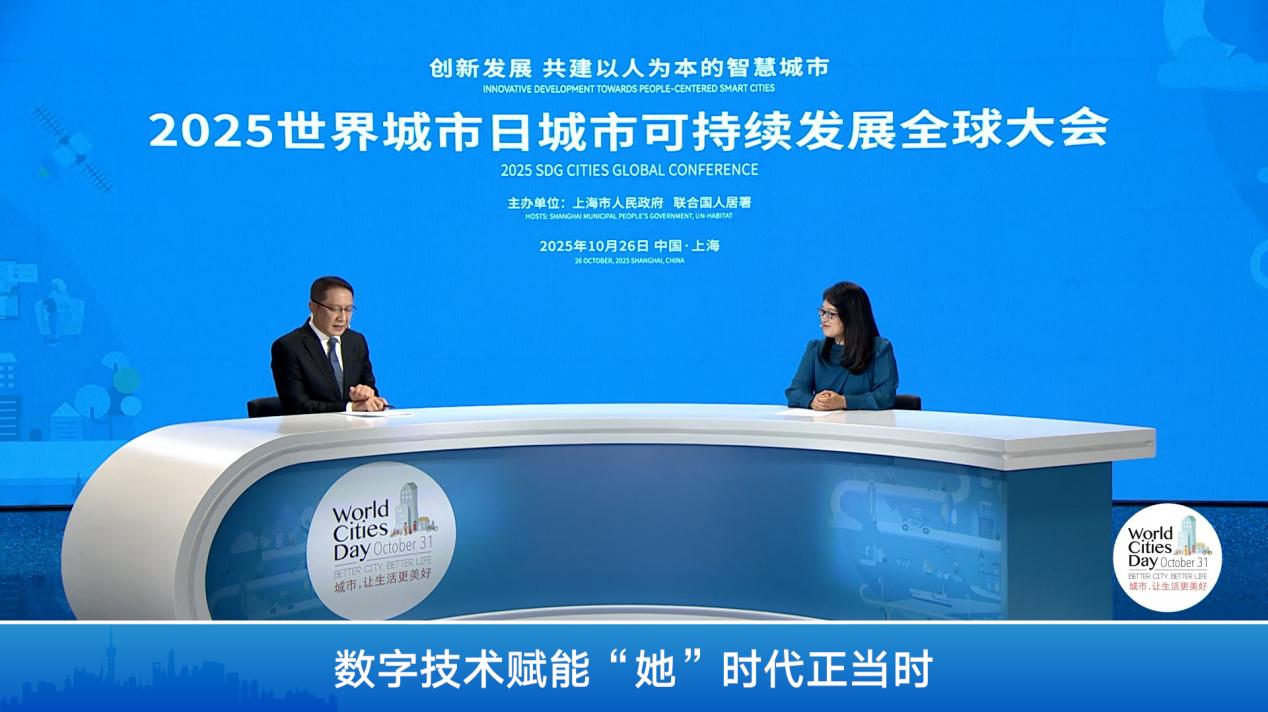
沈奕斐:希望未来有更多数字时代性别平等和城市发展走向的探讨
Di Yi Cai Jing· 2025-10-26 13:19
Core Insights - The conference on sustainable urban development highlighted significant changes in public space development, particularly in addressing women's unique experiences and challenges in urban environments [2] - Improvements in urban safety, public health facilities, and family-friendly spaces were emphasized, showcasing Shanghai's advancements in these areas [2][3] - The discussion on women's consumption patterns pointed out the need for more small retail spaces rather than large shopping malls, reflecting women's preferences and daily convenience [3] - The concept of independent women was discussed, stressing the importance of balance between work and family values, and the need to avoid extreme interpretations of independence [3] - The importance of digital literacy for both genders in the digital age was underscored, with a call for more discussions on gender equality and urban development in the context of technological advancements [4] Urban Development Changes - Significant improvements in urban safety, particularly through enhanced lighting systems, have contributed to a greater sense of security for women in Shanghai [2] - The increase in the ratio and space of women's restrooms, along with the development of mother-baby rooms, reflects a shift towards more inclusive urban planning [2] - The transformation of public spaces to be more family-friendly, allowing for shared parenting experiences, marks a notable change in urban design [2] Consumer Behavior Insights - The preference for smaller, accessible retail options over large shopping malls was highlighted as a key consideration for women's shopping experiences [3] - The role of women in household shopping responsibilities was acknowledged, emphasizing the need for convenient access to essential goods [3] Digital Age Considerations - The necessity for enhanced digital literacy for both genders was emphasized as crucial for social participation and adaptation to the digital era [4] - The potential for Shanghai to lead in gender equality and women's empowerment in the context of urban development and technological change was discussed [4]

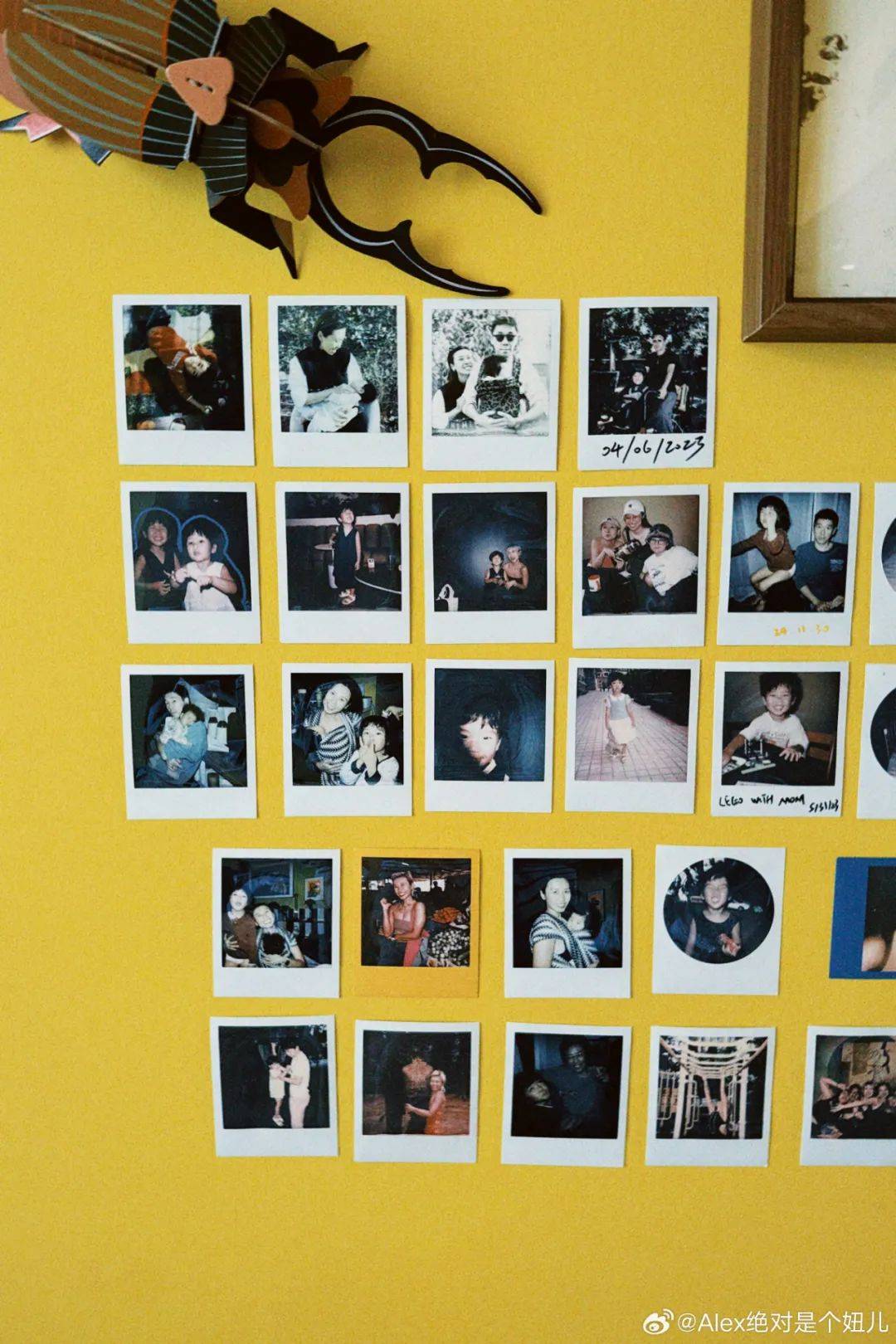
在生育和自由之间,二孩妈妈做了双选题
Hu Xiu· 2025-06-05 01:17
Core Viewpoint - Alex, a feminist and mother, openly discusses gender and motherhood, advocating for women's rights and the importance of recognizing the challenges of motherhood [2][3][49]. Group 1: Personal Journey and Motherhood - Alex shares her transformation from a career-focused individual to a dedicated mother, documenting her experiences on social media [3][15]. - She emphasizes the effort required for women to become mothers and the importance of maintaining independence while raising children [3][49]. - The discussions around motherhood have evolved, with increasing awareness of the trauma and challenges women face in relation to childbirth and parenting [3][49]. Group 2: Gender Identity and Parenting - Alex encourages her son, Cai Juan, to express himself freely, including wearing skirts, challenging traditional gender norms [4][6]. - She observes that despite her efforts to promote a non-binary understanding of gender, societal influences can lead children to conform to traditional gender roles [11][12]. - Alex reflects on the complexities of gender identity development in children, noting that individual differences play a significant role [10][12]. Group 3: Family Dynamics and Support - Alex describes her partnership with her husband, who actively participates in parenting, allowing her to maintain her identity while managing family responsibilities [52][54]. - The couple navigates parenting challenges together, often leading to disagreements, but they have established a system that respects each other's methods [54][55]. - Alex acknowledges the emotional toll of parenting, especially with the arrival of a second child, and the need for patience and understanding in family dynamics [21][23][55]. Group 4: Balancing Personal Life and Motherhood - Alex manages her time efficiently, balancing work, exercise, and family life, demonstrating the challenges of being a working mother [15][26]. - She reflects on the changes in her identity and lifestyle since becoming a mother, finding joy in her current life despite the challenges [55][56]. - The narrative highlights the importance of self-care and maintaining personal interests while fulfilling the role of a mother [51][56].