下一代智能终端

Search documents
“百镜大战”2025年全面打响 AI眼镜距离“随身终端”还有多远?
Shen Zhen Shang Bao· 2026-01-01 21:54
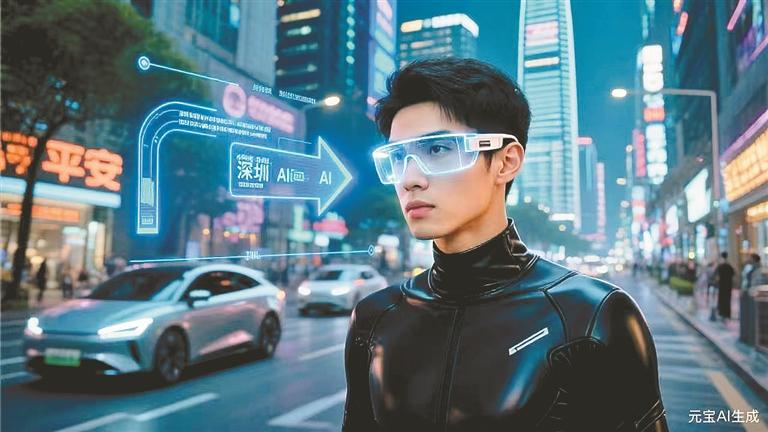
Core Insights - The article discusses the rising trend of AI glasses, which are expected to become a significant consumer product by 2026, transitioning from concept to practical demand in 2025 [2][3] - The competition in the AI glasses market, referred to as the "Hundred Glasses War," involves major tech companies and startups, indicating a robust ecosystem development [2][9] Industry Overview - The AI glasses market is experiencing rapid growth, with a 110% year-on-year increase in global shipments in the first half of 2025 [5] - Major players include tech giants like Meta, Samsung, Xiaomi, and Alibaba, as well as specialized XR companies, all launching various AI glasses products [3][4] Technological Advancements - Significant improvements in display technology are noted, with many AI glasses featuring high-resolution and high-refresh-rate displays to enhance user experience [6] - Innovations in interaction methods, such as Meta's "Neural Band" for gesture control and various voice and touch interfaces, are transforming user engagement [7] Market Dynamics - The demand for AI glasses is driven by advancements in AI capabilities and consumer needs for hands-free information access, including real-time translation and health monitoring [4][10] - The competitive landscape is not only about hardware but also about creating a cohesive ecosystem that integrates AI glasses with other devices and services [9][10] User Experience - Comfort and weight are critical factors for user acceptance, with many companies striving to make their products lightweight and comfortable to wear [7][8] - The core positioning of AI glasses is as a "wearable service entry point," which directly influences user adoption [8] Ecosystem Development - The integration of AI glasses with various services, such as navigation and payment systems, is essential for creating a seamless user experience [10][11] - Establishing standardized communication protocols and security measures is crucial for ensuring interoperability and data safety within the AI glasses ecosystem [9]




荣耀与高通共研技术底座,为AI终端树立全球新范式
Yang Guang Wang· 2025-09-29 09:15
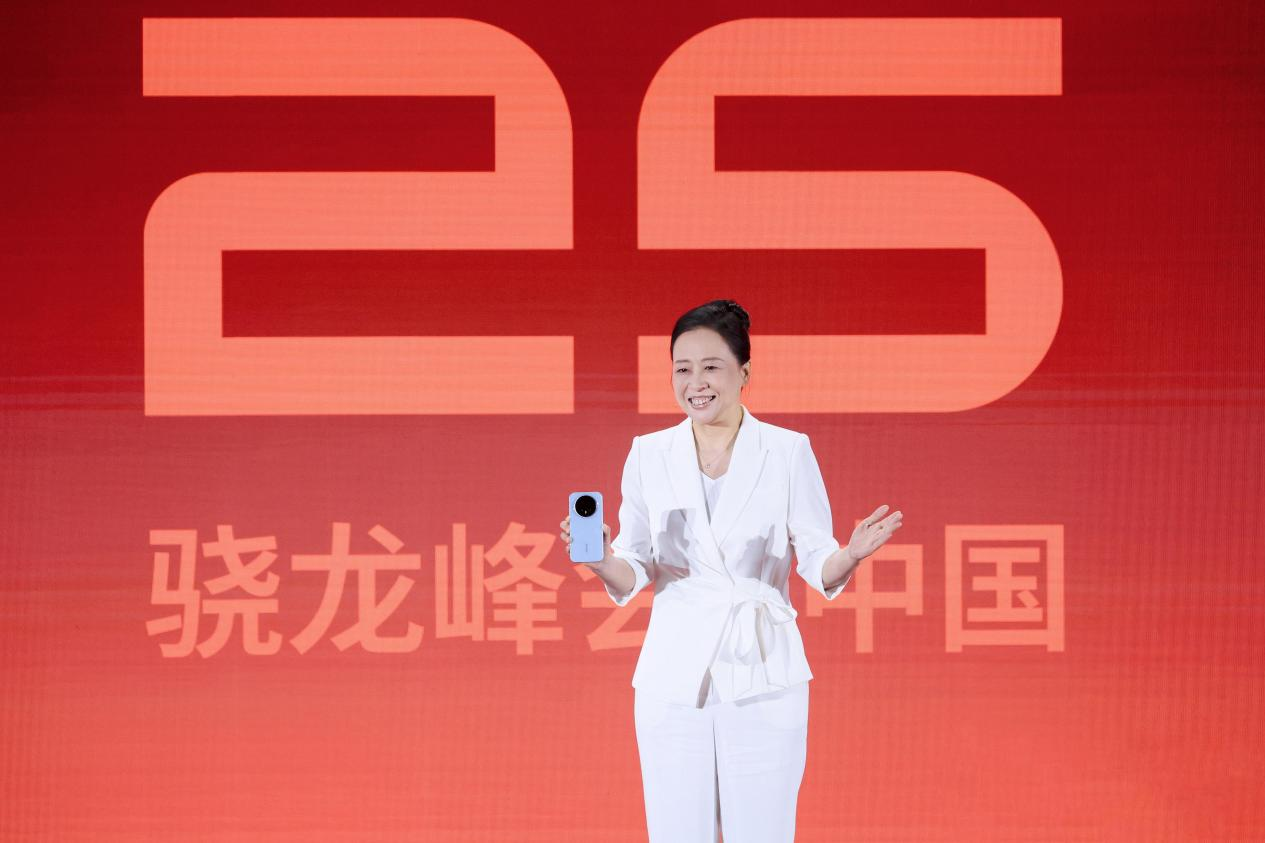
Core Insights - The smartphone industry is facing a peak in incremental growth and limited technological breakthroughs, with AI emerging as a core variable for industry transformation [1] - Honor and Qualcomm announced a deepened collaboration to usher in a "dual-engine era of smartphone intelligence and performance" at the 2025 Qualcomm Snapdragon Summit [1][3] - The upcoming Honor Magic8 series and Honor MagicPad3 Pro will be the first to feature the fifth-generation Snapdragon 8 flagship processor, achieving breakthroughs in AI self-evolution technology and performance architecture [1] AI-Driven Evolution - The smartphone industry has experienced two major leaps: the popularization of touch screens and mobile internet, followed by the innovations in 5G and imaging technology. The industry is now entering a third leap driven by AI [4] - Honor and Qualcomm's approach focuses on local AI computation to address issues related to data transmission, energy consumption, and privacy risks associated with cloud-based AI models [4] - The collaboration has led to the development of efficient local AI model solutions, with the Honor Magic8 series utilizing low-bit quantization technology, resulting in a 30% reduction in model storage space, a 15% increase in inference speed, and a 20% decrease in inference power consumption [4][5] Technological Innovations - The introduction of a new generation of vector retrieval technology allows for efficient indexing of text, images, and videos, achieving similarity matching performance improvements of up to 400% [5] - Honor has launched an AI color extraction feature that allows users to search for target images and extract key colors using simple voice commands, marking a shift from AI as a tool to an active executor [5][6] - The collaboration is seen as a significant step for Chinese AI terminal models on the global stage, showcasing a "Chinese solution" in the field of edge intelligence [5][6] Self-Evolving AI Concept - Honor's CEO introduced the concept of "self-evolving AI native smartphones," indicating a shift in AI technology towards models that can autonomously learn and optimize over time [7] - Unlike traditional AI models that require manual retraining, self-evolving AI can adjust its code and parameters during actual use, enabling "lifelong learning" [8] - This concept is implemented in the Honor Magic8 series through adaptive hardware, a self-learning operating system, and interconnected ecosystems [8] Global Competition and Market Position - The AI terminal market is not just a technological revolution but also a global industrial competition, with major players like Apple, Samsung, and Google integrating AI into their ecosystems [11] - Honor's collaboration with Qualcomm is viewed as a crucial step for Chinese companies in the global AI landscape, emphasizing the importance of core technology and innovation ecosystems [11][12] - The Honor Magic8 series aims to support over 200 vertical scenarios and 3,000 general scenarios, positioning smartphones as gateways to personal intelligent agents [11][12] Future Outlook - Establishing ecological barriers in AI terminals will be key for companies to dominate the next decade of technological advancements [12] - As smartphones evolve into personal intelligent agents, the industry is moving closer to achieving general artificial intelligence [12]