下沉市场经济学

Search documents
春节里的下沉市场经济学:用包裹“熨平”城乡温度差
Di Yi Cai Jing Zi Xun· 2026-02-08 02:16
Core Insights - The article highlights the transformative impact of e-commerce and logistics on rural consumption patterns in China, particularly during the Spring Festival, showcasing how these changes bridge the urban-rural divide [3][12][25] Group 1: E-commerce and Rural Consumption - The Spring Festival serves as a critical period for observing changes in rural consumption, with a significant increase in e-commerce activity as villagers purchase various goods online [3][12] - By 2025, rural areas are projected to account for 28% of the total express delivery volume in China, marking a substantial increase from previous years [3][12] - The rise of e-commerce platforms like Pinduoduo has enabled rural consumers to access a wider range of products, reducing the historical consumption gap between urban and rural areas [12][13] Group 2: Logistics and Infrastructure Development - The establishment of rural logistics networks is reshaping the delivery landscape, making it easier for villagers to receive packages without traveling long distances [6][9] - Local delivery hubs, such as those operated by villagers, have become essential in facilitating the last-mile delivery of goods, significantly improving access to e-commerce [6][9] - The logistics revolution is characterized by a shift from traditional market visits to convenient home delivery, enhancing the overall shopping experience for rural consumers [6][10] Group 3: Economic Empowerment and Cost Reduction - E-commerce has significantly lowered the procurement costs for rural residents, encompassing transportation, time, and decision-making expenses [13][24] - The availability of affordable tools and agricultural equipment through online platforms has led to increased productivity and efficiency in rural farming practices [22][24] - The economic benefits of e-commerce are fostering a sustainable cycle of growth, where increased income from enhanced agricultural output leads to higher consumption levels [22][24] Group 4: Emotional and Cultural Connections - The article discusses the emerging trend of emotional reciprocity in rural areas, where local products are being sent to family members living in urban centers, thus strengthening emotional ties [25][26] - The dual flow of goods, including local specialties being shipped to urban areas, is reshaping the cultural connections between rural and urban populations [25][26] - The integration of e-commerce into rural life is not only about economic transactions but also about preserving and sharing local culture and traditions [25][26]


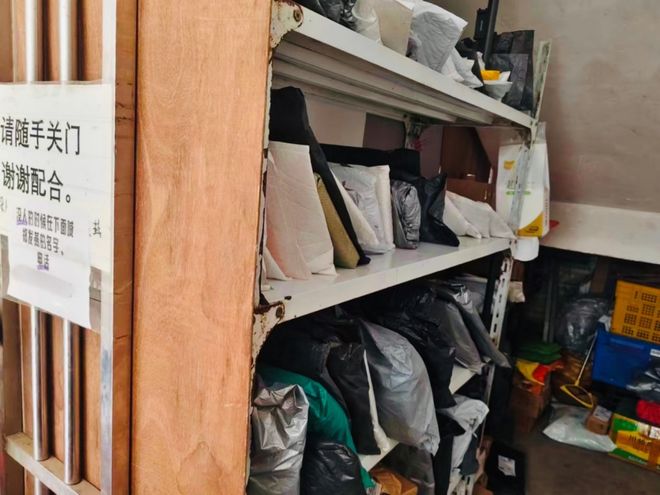
春节里的下沉市场经济学:用包裹“熨平”城乡温度差
第一财经· 2026-02-08 02:09
Core Viewpoint - The article highlights the transformative impact of e-commerce and logistics on rural consumption in China, particularly during the Spring Festival, showcasing how the delivery of goods is bridging the urban-rural divide and reshaping local economies [2][12][30]. Group 1: E-commerce and Rural Consumption - The Spring Festival serves as a critical observation point for changes in rural consumption patterns, with a significant increase in the volume of goods being delivered to rural areas [2][12]. - By 2025, it is projected that one in four packages will be delivered to rural areas, with rural express delivery volume reaching 28%, a notable increase from the end of the 13th Five-Year Plan [2][11]. - The rise of e-commerce platforms like Pinduoduo has facilitated a structural shift, where rural retail sales growth has consistently outpaced urban areas over the past thirteen years [2][12]. Group 2: Logistics and Accessibility - The establishment of local delivery stations has significantly reduced the distance and time required for rural residents to access goods, transforming the logistics landscape [5][10]. - In remote areas, logistics challenges have been addressed through innovative solutions, such as local delivery networks that connect villages directly to e-commerce platforms [9][10]. - The average daily package volume at local delivery stations can reach up to 150 during peak times, indicating a robust demand for e-commerce services in rural settings [6][9]. Group 3: Economic Empowerment through E-commerce - E-commerce has become a vital lifeline for rural residents, enabling them to access essential goods and services that were previously unavailable or difficult to obtain [15][17]. - The cost savings associated with online shopping, including reduced transportation and time costs, have empowered rural consumers to make more informed purchasing decisions [12][26]. - The introduction of efficient agricultural tools through e-commerce has led to increased productivity and income for farmers, creating a sustainable cycle of economic growth [22][26]. Group 4: Emotional and Cultural Connections - The article discusses the emerging trend of emotional reciprocity, where rural residents send local specialties to family members in urban areas, fostering a sense of connection and cultural exchange [28][29]. - This dual flow of goods not only enhances emotional ties but also promotes the visibility of rural products in broader markets, contributing to local economic development [28][30]. - The integration of rural products into e-commerce platforms is seen as a way to elevate local culture and traditions, allowing rural communities to share their unique offerings with a wider audience [29][30].