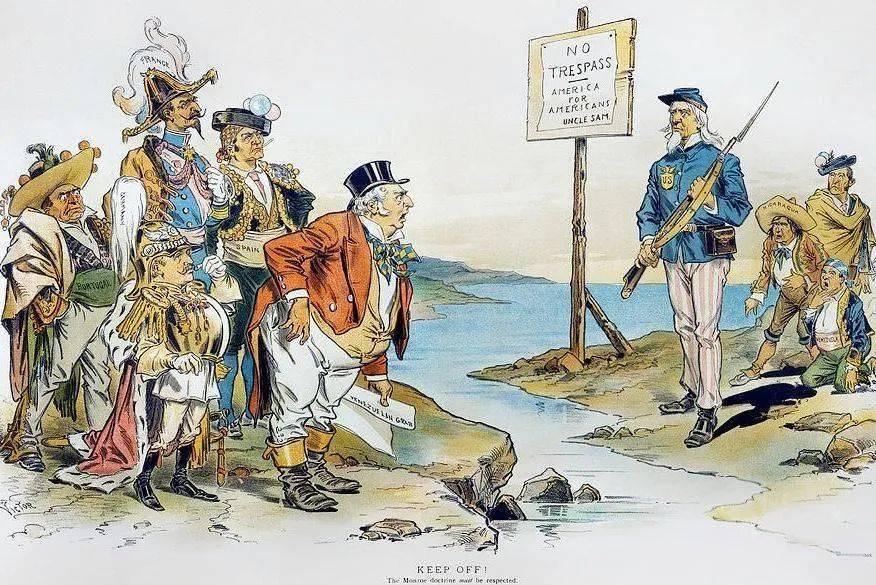
不干涉原则

Search documents
俄称美侵略意味着无法无天时代回归
Xin Lang Cai Jing· 2026-01-05 23:53
Core Viewpoint - Russia strongly condemns the United States for its armed aggression against Venezuela, stating that this action signifies a return to an era of lawlessness and chaos [1] Group 1: Russia's Position - Russia's permanent representative to the United Nations, Nebenzya, expressed that the U.S. actions have resulted in the deaths of dozens of Venezuelan and Cuban citizens, indicating a chaotic situation that could affect other countries globally [1] - The Russian government accuses the U.S. of violating international law by launching armed aggression against Venezuela, asserting that such behavior undermines international jurisdiction, sovereignty, and the principle of non-interference [1] Group 2: Implications for International Relations - The Russian representative emphasized that the international community should not allow the U.S. to disregard international norms and act as a self-appointed "supreme judge" that can invade any country and impose punishment [1]
从孤立到称霸:美国全球地缘战略的基石
Sou Hu Cai Jing· 2025-08-26 01:59
Group 1 - The core idea of the articles revolves around the historical development and significance of the Monroe Doctrine as a foundational element of U.S. foreign policy, emphasizing territorial expansion and non-intervention principles established by early American leaders [1][3][27] - The Monroe Doctrine is presented as a culmination of various political efforts, not solely attributed to Monroe and John Quincy Adams, but rather a collective endeavor by multiple figures in American history [1][27] - The doctrine is rooted in Washington's non-interventionist principles, which aimed to keep the U.S. out of European conflicts while asserting dominance in the Western Hemisphere [1][10][14] Group 2 - The articles highlight the influence of key figures such as Washington, Adams, Jefferson, and Seward in shaping the doctrine, with Washington advocating for neutrality and non-involvement in European affairs [3][10][15] - The expansionist policies leading to the Louisiana Purchase and the desire to control the Mississippi River are discussed as critical components of the U.S. strategy to assert its influence in the Americas [10][19][24] - The articles also mention the role of British diplomacy, particularly George Canning, in the context of the Monroe Doctrine and its implications for U.S.-European relations [27][29]