
不结盟和无核化

Search documents
“若俄乌冲突持续 可能引发三战”!特朗普最新发声:只有泽连斯基不喜欢和平计划
Hua Xia Shi Bao· 2025-12-12 07:56
Core Viewpoint - The ongoing negotiations between the U.S., Ukraine, and Russia regarding the conflict are complex, with significant disagreements on territorial issues and military withdrawals, raising concerns about the potential for escalation into a larger conflict [1][2][3][5]. Group 1: U.S. and Ukraine Negotiations - President Trump indicated that the U.S. was close to an agreement with Russia and Ukraine, but emphasized the complexity of the territorial division involved [1]. - Ukrainian President Zelensky confirmed that he submitted a revised agreement to the U.S., which still demands significant territorial concessions from Ukraine [2]. - Zelensky highlighted two main points of contention: the territorial issues in the Donetsk region and the co-management of the Zaporizhzhia nuclear power plant [3]. Group 2: Territorial and Military Issues - Zelensky expressed that any proposed "free economic zone" or "demilitarized zone" must involve mutual military withdrawals from both sides, not just Ukraine [4]. - Discussions included the potential withdrawal of Russian forces from various regions and the freezing of contact lines between Ukrainian and Russian troops [4]. - The Ukrainian military is expected to maintain a force of 800,000, which has been agreed upon by both Ukrainian and U.S. military officials [4]. Group 3: Russian Position and European Concerns - Russian Foreign Minister Lavrov stated that Ukraine must remain neutral, non-aligned, and denuclearized as a starting point for resolving the conflict [5]. - European leaders, including those from Germany and France, have expressed caution regarding U.S. proposals, emphasizing that territorial concessions should be determined by Ukraine and its people [5][6]. - There are ongoing discussions among European leaders to support Ukraine in negotiations while addressing differences with the U.S. on handling Russian assets and security guarantees for Ukraine [6]. Group 4: Military Developments - Russian military claims to have fully controlled the city of Siversk and surrounding areas, which Ukraine denies, asserting that these areas remain under Ukrainian control [7][9]. - Ukrainian forces reported significant military engagements, with numerous air targets tracked and intercepted, indicating ongoing active conflict [9].

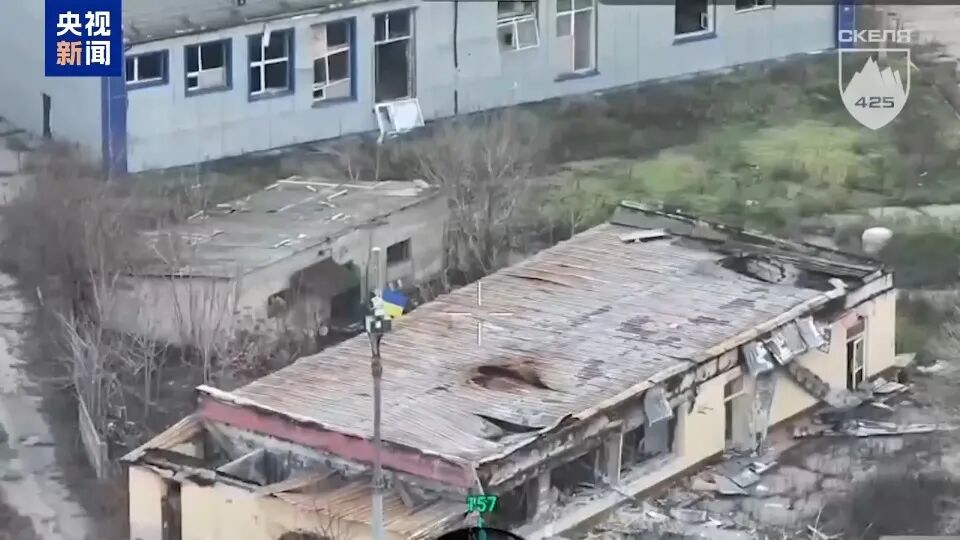
泽连斯基已提交“和平协议”修改版:主张俄乌对等撤军 领土问题未谈妥
Xin Hua She· 2025-12-12 05:20
Group 1 - The core viewpoint of the article revolves around the ongoing negotiations between Ukraine and the United States regarding a proposed peace plan to resolve the conflict with Russia, with significant disagreements remaining on territorial issues and the management of certain regions [1][2][4]. - Ukrainian President Zelensky confirmed that Ukraine has submitted a revised agreement to the U.S., which still demands significant concessions from Ukraine on territorial matters, particularly in the Donetsk region [1][2]. - There are two main points of contention in the negotiations: the territorial status of the Donetsk region and the co-management of the Zaporizhzhia nuclear power plant [2][3]. Group 2 - Zelensky expressed concerns that any proposed "free economic zone" or "demilitarized zone" in the Donetsk region should not require unilateral withdrawal of Ukrainian forces without corresponding actions from Russian troops [2][3]. - Discussions between Ukraine and the U.S. also included the withdrawal of Russian forces from various regions, with an agreement allowing Ukraine to maintain a military force of 800,000 personnel [3]. - Russian Foreign Minister Lavrov stated that Ukraine must remain neutral, non-aligned, and denuclearized, which could serve as a starting point for resolving the conflict [4][5]. Group 3 - European leaders, including those from France and Germany, have expressed caution regarding U.S. proposals, emphasizing that any territorial concessions must be determined by the Ukrainian people and should not compromise European security interests [4][5]. - There are ongoing discussions among European leaders and the U.S. regarding the handling of frozen Russian assets and security guarantees for Ukraine, indicating a lack of consensus on these issues [5][6]. - U.S. President Trump has criticized European leaders for their perceived inaction and suggested that Ukraine should accept the current realities of the conflict and consider holding elections [6].