
专业分工深化

Search documents
美妆巨头起诉Gucci
21世纪经济报道· 2025-11-16 09:12
Core Viewpoint - The dispute over Gucci's beauty and fragrance licensing between Coty and Kering Group highlights the complexities of brand management and the strategic shift towards leveraging specialized partners for beauty products, as Kering collaborates with L'Oréal for a long-term exclusive agreement post-2028 [1][2][10]. Group 1: Licensing Dispute - Coty has filed a lawsuit against Kering and Gucci regarding the beauty and fragrance licensing agreement, asserting its rights until the contract's expiration [1][4]. - Kering and L'Oréal's partnership will take over Gucci's beauty business after Coty's current license expires in 2028, indicating a significant shift in Gucci's beauty strategy [1][5]. - Kering has stated it will continue to honor existing agreements with Coty, while Coty maintains that it will operate under the current licensing terms [1][2][10]. Group 2: Financial Implications - Coty's Q1 2026 financial results show a net revenue of $1.578 billion, a 6% decline, with the high-end beauty segment contributing $1.07 billion, down 6% year-over-year [5]. - Gucci accounts for approximately 8% of Coty's total sales and 11% of its revenue, indicating a significant potential impact on Coty's financials if the licensing agreement is lost [5][10]. - Kering's beauty segment has shown growth, with a 9% increase in revenue to €150 million in the first half of 2025, contrasting with a 16% decline in overall revenue [7][8]. Group 3: Industry Trends - The collaboration between luxury brands and specialized beauty companies reflects a trend towards optimizing resource allocation and enhancing operational efficiency in the beauty sector [8][11]. - The shift towards licensing and partnerships is seen as a strategic move to maximize growth potential in the beauty market, especially for luxury brands that may lack the expertise in beauty operations [2][8]. - The ongoing litigation may affect the collaborative atmosphere between Coty and Kering, potentially impacting future negotiations and partnerships [8][10].


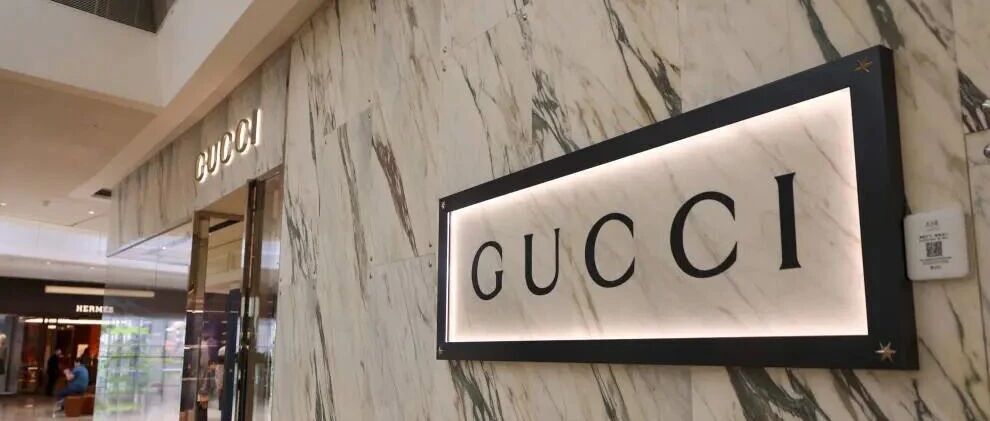
Gucci保卫战?科蒂起诉开云集团
2 1 Shi Ji Jing Ji Bao Dao· 2025-11-14 12:29
Core Viewpoint - The dispute over Gucci's beauty and fragrance licensing between Coty and Kering has emerged, with Coty filing a lawsuit against Kering and Gucci following Kering's announcement of a long-term partnership with L'Oréal, which will take over Gucci's beauty business after Coty's current license expires in 2028 [1][2][3] Group 1: Legal Dispute and Business Implications - Coty CEO Sue Nabi emphasized the company's commitment to defending its rights regarding the Gucci beauty licensing agreement until the contract's expiration [1] - Coty has filed a lawsuit in the UK against Gucci and Kering, claiming that the licensing agreement remains valid and that they will continue to operate under the existing terms [2][3] - Kering has stated that it will fulfill its obligations under the current licensing agreement with Coty, despite the ongoing legal dispute [1][2] Group 2: Financial Performance and Market Position - Coty's Q1 FY2026 net revenue was $1.578 billion, a decline of 6% year-over-year, with a net profit of $64.6 million, down 19% [3] - Gucci accounts for approximately 8% of Coty's total sales and 11% of its revenue, indicating a significant impact on Coty's financials if the licensing agreement is lost [4][9] - Kering's beauty segment showed growth, with a 9% increase in revenue to €150 million in the first half of 2025, contrasting with a 16% decline in overall revenue [5] Group 3: Strategic Shifts in the Beauty Industry - The partnership between Kering and L'Oréal reflects a trend towards optimizing resource allocation in the beauty industry, with luxury brands focusing on brand development while leveraging the expertise of specialized beauty companies [6][9] - The shift towards licensing and partnerships is seen as a more efficient model for luxury brands, allowing them to benefit from established brand assets without the complexities of managing beauty operations directly [6][9] - Analysts predict that the loss of Gucci's licensing will not only affect Coty's revenue but also accelerate industry consolidation and the "Matthew Effect," where larger companies gain more competitive advantages [9]
Gucci保卫战?科蒂起诉开云集团丨美妆变局
2 1 Shi Ji Jing Ji Bao Dao· 2025-11-14 12:26
Core Viewpoint - The dispute over Gucci's beauty and fragrance licensing between Coty and Kering has emerged, with Coty filing a lawsuit against Kering and Gucci following Kering's announcement of a long-term partnership with L'Oréal for exclusive rights post-2028 [1][2][3] Group 1: Legal Dispute and Implications - Coty CEO Sue Nabi emphasized the company's commitment to defending its rights until the end of the current licensing agreement [1] - Coty has filed a lawsuit in the UK against Gucci and Kering regarding the beauty and fragrance licensing, claiming that the existing agreement remains valid [2][3] - Kering has stated it will continue to fulfill its obligations under the current licensing agreement with Coty, despite the lawsuit [1][2] Group 2: Financial Impact on Coty - Coty's Q1 2026 net revenue was reported at $1.578 billion, a decline of 6% year-over-year, with a net profit of $64.6 million, down 19% [3][4] - Gucci accounts for approximately 8% of Coty's total sales and 11% of its revenue, indicating a significant potential loss if the licensing agreement is not renewed [4][9] Group 3: Market Trends and Strategic Shifts - The collaboration between luxury brands and specialized beauty companies reflects a trend towards optimizing resource allocation and enhancing market value [6][9] - The shift towards licensing agreements is seen as a more efficient model for luxury brands, allowing them to leverage the expertise of beauty companies like L'Oréal [6][9] - Analysts predict that the loss of Gucci's licensing will not significantly disrupt Coty's operations, as the existing contract remains in effect until 2028 [7][8] Group 4: Competitive Landscape - The partnership between Kering and L'Oréal is expected to strengthen L'Oréal's position in the luxury beauty market, enhancing its competitive edge against rivals like LVMH and Estée Lauder [9] - The ongoing legal dispute may serve as a negotiation tactic for Coty to secure better terms or compensation from Kering and L'Oréal [7][8]