
业力

Search documents
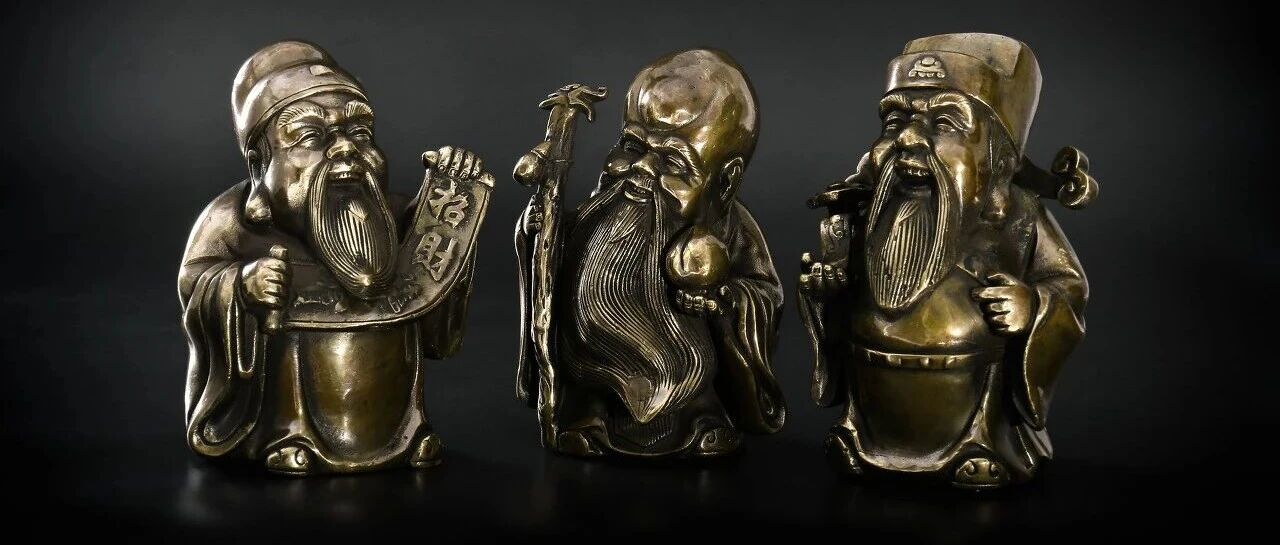
神仙也想要编制:中国的神魔体系与传统社会
经济观察报· 2026-02-18 07:03
Core Viewpoint - The distinction between deities and demons in Chinese religious culture is primarily based on their official status within the celestial hierarchy, where only those recognized by the heavenly court are considered legitimate gods, while others are deemed demons regardless of their past merits or public perception [1][19]. Summary by Sections Section on Left-Hand Path and Folk Beliefs - The book "Left Path: Gods and Demons in Chinese Religious Culture" by Wan Zhiying examines the influence of non-mainstream beliefs, particularly focusing on the Five通神, to provide a more comprehensive understanding of historical religious practices [2]. - The author suggests that the study of the Five通神 is limited and could benefit from including more diverse examples, such as the transformation of figures like Guan Yu from a demon to a revered god [2]. Section on Bureaucratic Elements in Religion - Chinese ancient religious culture is characterized by a significant bureaucratic element, reflecting a society where religion mirrors the hierarchical structure of governance [3][4]. - The author discusses how the religious and mythological narratives in China uniquely depict a bureaucratic system, contrasting with other cultures where divine figures are often related through kinship [4]. Section on Happiness and Moral Balance - Chinese religion primarily serves as a means to seek divine power for enhancing control over worldly life, while also providing moral teachings and explanations for suffering [5]. - The tension between the pursuit of happiness and moral balance is highlighted as a recurring theme, suggesting that this perspective is not unique to Chinese culture but resonates with ancient worldviews [5][6]. Section on Historical Development of Chinese Religion - The formation of Chinese ancient religion can be divided into three significant stages: Shang and Zhou, Han, and Song and Ming [7]. - The Shang dynasty's religious practices were exclusive to the ruling class, reinforcing social hierarchies rather than alleviating them [8]. - The Zhou dynasty introduced the concept of "Mandate of Heaven," emphasizing moral governance and the importance of virtue among rulers [9]. Section on Ancestral Worship and Social Changes - Ancestral worship evolved during the Spring and Autumn period, shifting focus from deceased ancestors to the living descendants who ensure the family's prosperity [10][11]. - The perception of ancestors changed, with later beliefs depicting them as suffering spirits reliant on their descendants for sustenance [11]. Section on Legal and Moral Implications in the Afterlife - The Han dynasty's legal system imposed collective responsibility for crimes, influencing beliefs about the afterlife and the consequences of ancestral actions on living descendants [12]. - The introduction of Buddhism added complexity to these beliefs, emphasizing karma and the interconnectedness of actions across generations [13][14]. Section on Integration of Religious Practices - The Song dynasty marked a significant integration of various religious beliefs, creating a unified spiritual landscape where different faiths coexisted and influenced each other [18]. - The bureaucratic structure of the celestial realm became more pronounced, mirroring the earthly governance system, with deities organized in a hierarchical manner [19]. Section on Cultural Legacy and Modern Implications - The blending of Buddhist and Daoist elements in Chinese religious practices continues to influence contemporary beliefs and rituals, as seen in modern interpretations of religious texts and practices [21].

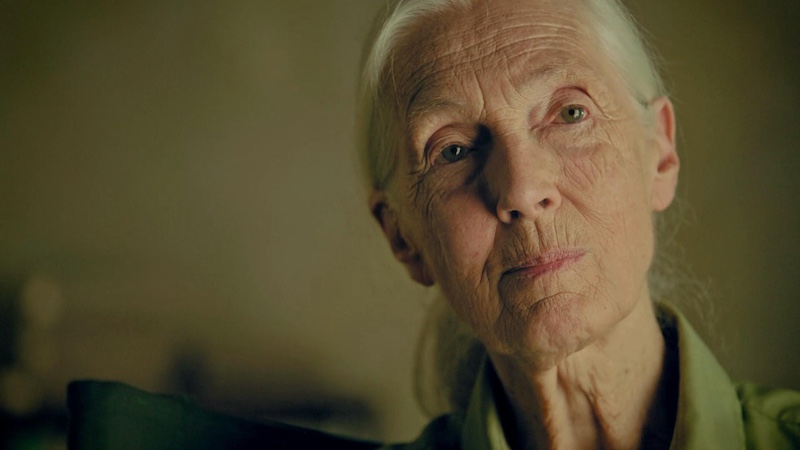
珍·古道尔去世:她开始了下一场伟大冒险
Di Yi Cai Jing· 2025-10-02 02:34
Core Points - Renowned primatologist and conservationist Dr. Jane Goodall passed away on October 1 at the age of 91, leaving behind a legacy of wildlife advocacy and environmental education [1][3] - Goodall was the founder of the Jane Goodall Institute and a UN Messenger of Peace, dedicated to raising awareness about wildlife and promoting sustainable relationships between humans and nature [1][3] - Throughout her life, Goodall authored over 27 books and appeared in numerous documentaries, sharing her insights on human survival, future actions, and the importance of hope [5][3] Group 1 - Goodall was the first scientist to observe chimpanzee behavior in the wild, noting similarities to human behavior, which significantly advanced the field of animal behavior studies [3] - She actively engaged in environmental education and humanitarian efforts, encouraging youth participation in conservation projects, including the "Roots & Shoots" program established over 30 years ago in China [3] - Goodall's life was characterized by her relentless pursuit of knowledge and action against environmental degradation, as she traveled extensively to promote her message [3][5] Group 2 - In her later years, Goodall continued to inspire others through her speeches and writings, emphasizing the importance of hope and collective action to address global challenges [16][18] - Goodall's reflections on life, death, and the human experience were shared in her conversations, where she expressed a belief in the continuity of existence beyond death [10][14] - Her legacy includes a profound impact on how people perceive their role in the world and the potential for positive change through individual and collective efforts [16][18]
X @憨巴龙王
憨巴龙王· 2025-09-20 10:34
Investment Philosophy - Belief in oneself is more important than ability for making significant profits in the cryptocurrency space [1] - Those who make large profits in the crypto space are often those who are steadfast in their beliefs and ignore negative opinions (FUD - Fear, Uncertainty, and Doubt) [1] - Blaming external FUD for selling too early indicates a lack of strong conviction [1] Market Observations - Many participants in the cryptocurrency space accumulate wealth through multiple smaller projects rather than a single large gain [1]