
《西游记》

Search documents
爱奇艺发布马年春节大数据:大屏端用户日均观看时长环比节前增长13%
Guang Zhou Ri Bao· 2026-02-25 07:49
Core Insights - The popularity of cinema during the Spring Festival has led to a surge in online viewership, with iQIYI's movie channel experiencing a 44% increase in average daily viewing time compared to the pre-holiday period [5] - Users are increasingly engaging with immersive content, such as AI interactions and themed parks, indicating a shift towards a more interactive entertainment experience [1][6] Group 1: Movie and Series Performance - The film "Flying Life 3" topped the box office, driving significant increases in viewership for its predecessors, with "Flying Life 2" seeing a 371% rise and "Flying Life 1" a 591% increase in daily viewing time [5] - The series "Years of Emotion" achieved a peak heat value exceeding 8000 after its release, entering the "Hall of Good Films" [4] - The series "What Kind of Body" became a standout during the festival, topping the drama channel with both daily viewing time and heat value [4] Group 2: User Engagement and Content Trends - The use of classic IPs remains strong, with shows like "Journey to the West" and "Romance of the Three Kingdoms" seeing viewing time increases of 36% and 12% respectively [2] - The interactive experience at iQIYI's theme park in Yangzhou has attracted over 3 million user interactions, with a notable increase in visitor numbers [1] - The comedy variety show "Tonight's Happy Friends Show" quickly rose to the second spot in the variety channel rankings during the festival [3] Group 3: Overall Viewing Trends - iQIYI's overall user viewing time continued to grow during the Spring Festival, with a 13% increase in daily viewing time on large screens [4] - The variety channel saw a dramatic 256% increase in daily viewing time, driven by popular shows and events [4] - The short drama channel also experienced an 18% year-on-year increase in user viewing time during the festival [5]



64岁男演员近况曝光,瘦成“纸片人”
Xin Lang Cai Jing· 2026-02-24 06:58
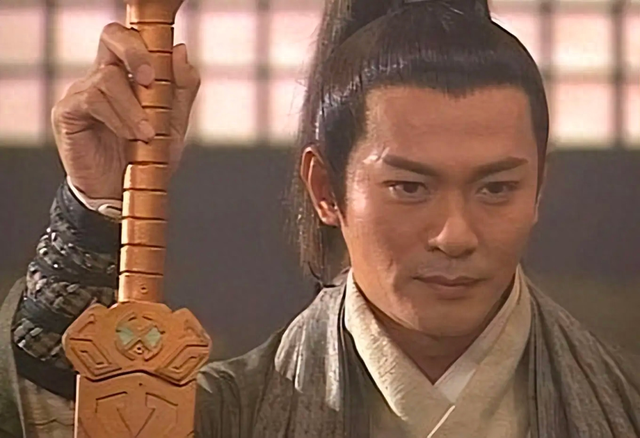
Group 1 - Hong Kong actor Jiang Hua, aged 64, performed in various mainland cities during the Spring Festival, recreating his character from "The Legend of the Emperor" [1] - Concerns about Jiang Hua's health have arisen due to noticeable weight loss and facial changes, with netizens expressing worries about his well-being [1] - Jiang Hua gained fame through works such as "The Legend of the Emperor," "Journey to the West," and "The Search for the Qin," and has recently returned to the mainland market after a hiatus due to depression [1][3] Group 2 - In a previous performance in Guangdong, Jiang Hua interacted closely with tourists, showcasing his character from a TVB series, maintaining a fit appearance [3] - Jiang Hua was born on November 19, 1962, in Hong Kong, and began his career after graduating from the Hong Kong ATV artist training class in 1985, with notable works including "I Have an Appointment with Spring" and "The Legend of the Emperor" [5] - In a past interview, Jiang Hua criticized TVB's internal culture, stating that it hindered opportunities for actors, which has affected his ability to participate in major productions [7]
神仙也想要编制:中国的神魔体系与传统社会
经济观察报· 2026-02-18 07:03
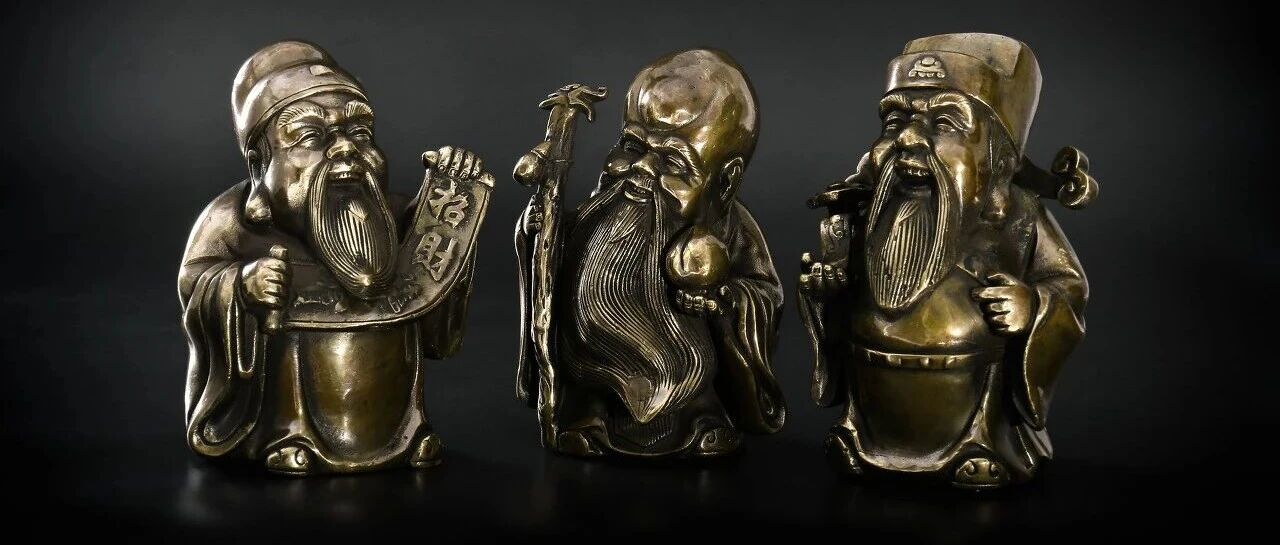
Core Viewpoint - The distinction between deities and demons in Chinese religious culture is primarily based on their official status within the celestial hierarchy, where only those recognized by the heavenly court are considered legitimate gods, while others are deemed demons regardless of their past merits or public perception [1][19]. Summary by Sections Section on Left-Hand Path and Folk Beliefs - The book "Left Path: Gods and Demons in Chinese Religious Culture" by Wan Zhiying examines the influence of non-mainstream beliefs, particularly focusing on the Five通神, to provide a more comprehensive understanding of historical religious practices [2]. - The author suggests that the study of the Five通神 is limited and could benefit from including more diverse examples, such as the transformation of figures like Guan Yu from a demon to a revered god [2]. Section on Bureaucratic Elements in Religion - Chinese ancient religious culture is characterized by a significant bureaucratic element, reflecting a society where religion mirrors the hierarchical structure of governance [3][4]. - The author discusses how the religious and mythological narratives in China uniquely depict a bureaucratic system, contrasting with other cultures where divine figures are often related through kinship [4]. Section on Happiness and Moral Balance - Chinese religion primarily serves as a means to seek divine power for enhancing control over worldly life, while also providing moral teachings and explanations for suffering [5]. - The tension between the pursuit of happiness and moral balance is highlighted as a recurring theme, suggesting that this perspective is not unique to Chinese culture but resonates with ancient worldviews [5][6]. Section on Historical Development of Chinese Religion - The formation of Chinese ancient religion can be divided into three significant stages: Shang and Zhou, Han, and Song and Ming [7]. - The Shang dynasty's religious practices were exclusive to the ruling class, reinforcing social hierarchies rather than alleviating them [8]. - The Zhou dynasty introduced the concept of "Mandate of Heaven," emphasizing moral governance and the importance of virtue among rulers [9]. Section on Ancestral Worship and Social Changes - Ancestral worship evolved during the Spring and Autumn period, shifting focus from deceased ancestors to the living descendants who ensure the family's prosperity [10][11]. - The perception of ancestors changed, with later beliefs depicting them as suffering spirits reliant on their descendants for sustenance [11]. Section on Legal and Moral Implications in the Afterlife - The Han dynasty's legal system imposed collective responsibility for crimes, influencing beliefs about the afterlife and the consequences of ancestral actions on living descendants [12]. - The introduction of Buddhism added complexity to these beliefs, emphasizing karma and the interconnectedness of actions across generations [13][14]. Section on Integration of Religious Practices - The Song dynasty marked a significant integration of various religious beliefs, creating a unified spiritual landscape where different faiths coexisted and influenced each other [18]. - The bureaucratic structure of the celestial realm became more pronounced, mirroring the earthly governance system, with deities organized in a hierarchical manner [19]. Section on Cultural Legacy and Modern Implications - The blending of Buddhist and Daoist elements in Chinese religious practices continues to influence contemporary beliefs and rituals, as seen in modern interpretations of religious texts and practices [21].
中国儿艺新春演出季61场好戏贺佳节
Xin Lang Cai Jing· 2026-02-16 13:00
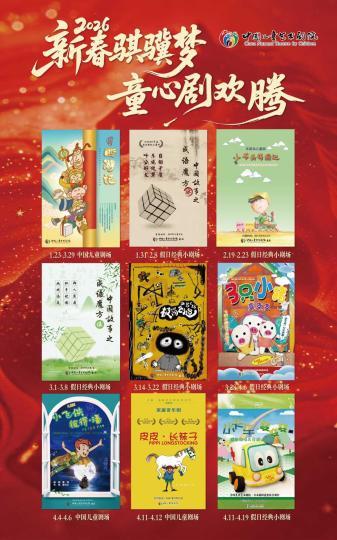
Core Viewpoint - The China Children's Art Theatre is launching a Spring Festival performance season featuring 11 outstanding children's plays and 61 performances, themed "New Spring Dream, Joyful Theatre," aimed at providing a cultural and artistic feast for children and families during the holiday period [1]. Group 1: Performance Highlights - The performance season will feature a diverse lineup, including the new play "The Nightingale," which conveys the positive belief that "truth is beauty" through deep Chinese aesthetics, marking a successful start to the season [3]. - The series "Journey to the West" will be presented in two parts, blending classical and modern elements to creatively interpret traditional cultural classics, allowing children to experience a perfect collision of philosophy and playfulness [3]. - The holiday classic small theatre will showcase "The Adventures of Little Cloth Head," leading young audiences on a whimsical adventure, while the fifth part of the "Idiom Magic Cube" series will narrate three idiom stories in a fun manner [3]. Group 2: Expanded Reach and Activities - The China Children's Art Theatre is expanding its performance coverage to allow more children to enjoy high-quality children's theatre close to home, with the second part of the "Idiom Magic Cube" series being performed at the National Grand Theatre [3]. - "Aesop's Fables" will be presented at various venues, including Daxing Theatre and Shijingshan Cultural Center, combining fun, knowledge, and imagination for children [3]. - In addition to performances, the theatre has prepared interactive activities such as immersive theme photo opportunities, actor meet-and-greets, and challenges related to the plays, enhancing audience engagement [4].
一出清宫贺岁戏,让“龙套”白龙马站上“C位”
Xin Lang Cai Jing· 2026-02-15 02:49
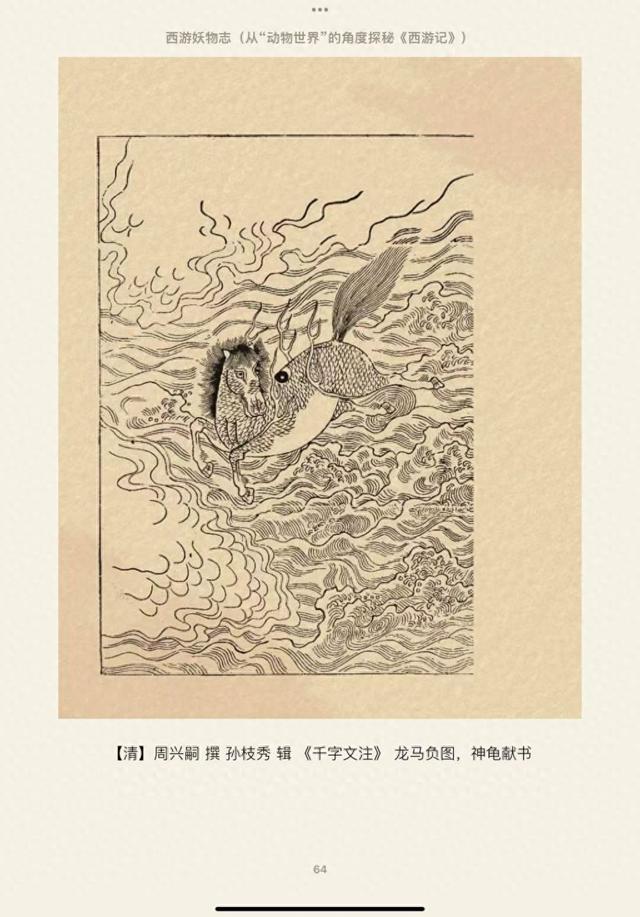
Core Viewpoint - The article discusses the portrayal of the White Dragon Horse in the Qing Dynasty court play "Shengping Baofa," highlighting its significance as a character that embodies both loyalty and heroism in the context of the classic novel "Journey to the West" [1][2][3]. Group 1: Character Analysis - The White Dragon Horse is depicted as a silent yet diligent companion to Tang Seng, often regarded as a "behind-the-scenes hero" [1]. - In a critical scene, the White Dragon Horse transforms to save Tang Seng from danger, showcasing its bravery and resourcefulness [2][4]. - The character's ability to change forms, from a horse to a human, adds depth to its role in the narrative, emphasizing its cleverness and adaptability [3][5]. Group 2: Theatrical Adaptation - "Shengping Baofa" is a significant adaptation of "Journey to the West," featuring a dedicated segment for the White Dragon Horse, which enhances the storytelling through performance [2][7]. - The play's structure and character development reflect the enduring appeal of the "Journey to the West" narrative, allowing audiences to engage with the story in a more dynamic way [6][7]. - The adaptation emphasizes the dramatic elements of the original text, making it more accessible and entertaining for a broader audience [7][8]. Group 3: Themes and Symbolism - The White Dragon Horse symbolizes the themes of redemption and loyalty, as it seeks to atone for its past mistakes by aiding Tang Seng on the journey [10][12]. - The character's transformation from a dragon to a horse serves as a metaphor for personal growth and the pursuit of enlightenment [14][15]. - The relationship between the White Dragon Horse and Tang Seng illustrates the importance of companionship and support in overcoming challenges [13][14].
2026年度将有190部作品在“重温经典”频道展播
Xin Lang Cai Jing· 2026-02-07 19:44
Core Insights - The "Classic Revisit" channel will showcase 190 classic works in 2026, including dramas, documentaries, and animations, supported by 77 organizations [1] - The channel has aired 343 classic works over the past two years, achieving a cumulative viewership of 78.62 million households on cable and 359 million unique viewers online [1] - In 2025, the channel will focus on significant historical events and introduce special programming slots, while also enhancing its content offerings through collaborations and community outreach [1] Summary by Category Programming and Content - The 2026 lineup includes 190 works, with contributions from major media organizations [1] - The channel has aired 343 classic works to date, with a strong viewership performance [1] - Upcoming programming includes classic dramas and animations during the Spring Festival, aiming to enrich cultural experiences for viewers [2] Audience Engagement - The channel has established a collaborative mechanism between broadcast and on-demand services, enhancing viewer access to content [1] - Special events and themed programming are planned to engage audiences, including the "80th Anniversary of Victory in the War of Resistance" [1] - The channel's most popular works include notable dramas and documentaries, reflecting audience preferences [2] Cultural Impact - The initiative aims to preserve and promote Chinese cultural heritage through classic media [2] - Contributions from creators and production companies highlight the importance of cultural transmission and quality content creation [2]
学生读《滥竽充数》反思学习态度,与孙悟空相遇东海战章鱼
Xin Lang Cai Jing· 2026-02-06 23:02
Group 1 - The story "滥竽充数" illustrates the consequences of pretending to have skills one does not possess, as demonstrated by the character 南郭先生 who fakes playing the instrument for rewards [1] - The narrative emphasizes the importance of genuine effort and dedication in learning, contrasting superficial participation with true understanding and mastery [2] - The lesson learned is that one must be grounded and diligent in their studies, akin to climbing a mountain step by step rather than merely dreaming of the summit [2] Group 2 - The character's realization leads to a commitment to actively engage in learning, such as memorizing vocabulary with intention rather than just going through the motions [2] - The story serves as a metaphorical mirror reflecting the reader's own attitudes towards education and self-improvement [2]
阅读点亮我的人生(文化中国行·人文观察)
Ren Min Ri Bao· 2026-02-01 02:40
Core Viewpoint - The article emphasizes the transformative power of reading in shaping individuals' lives and perspectives, highlighting its role in personal growth and cultural understanding [6][18]. Group 1: Importance of Reading - Reading is portrayed as a vital activity that enriches individuals' inner worlds and provides strength in challenging times [10][21]. - The implementation of the "National Reading Promotion Regulations" aims to enhance the legal framework for building a reading society, fostering a culture of reading [6][18]. Group 2: Personal Experiences with Reading - Various authors share their personal journeys, illustrating how reading has influenced their life choices and career paths, such as becoming educators or cultural workers [15][16][19]. - The narratives reflect on the impact of specific books and authors, demonstrating how literature can inspire and guide individuals through different life stages [15][19]. Group 3: Cultural and Historical Context - The evolution of Chinese drama and literature is discussed, showcasing the blend of romanticism and realism throughout history, which has been a source of inspiration for many artists [9][10]. - The article highlights the importance of understanding cultural heritage through reading, as it connects individuals to their roots and broadens their worldview [9][10][19].
2026,我们来拉钩!
Xin Lang Cai Jing· 2026-01-24 23:43
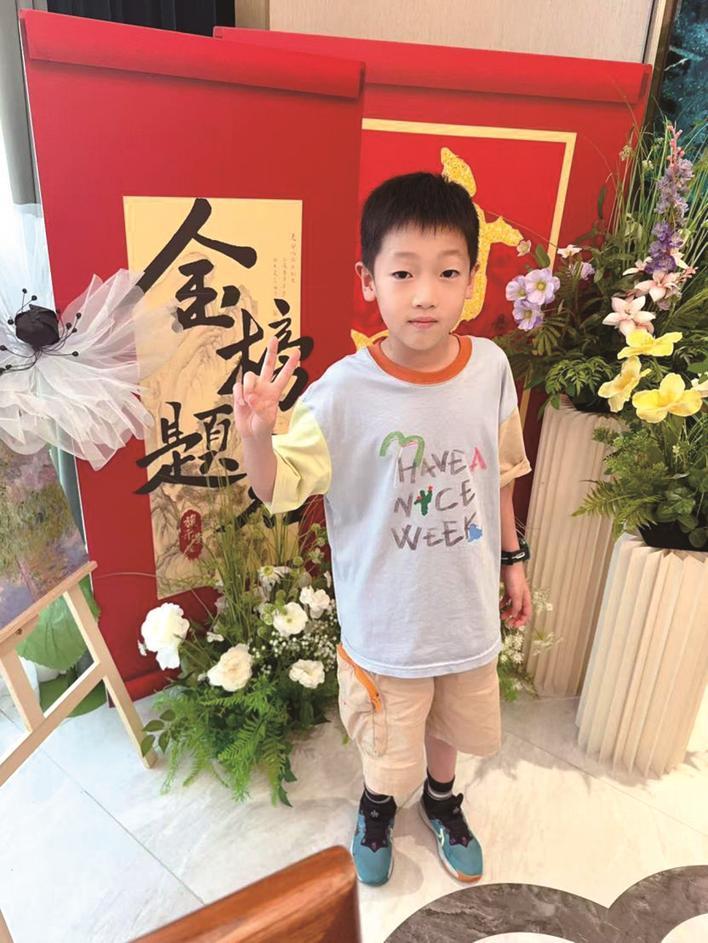
Group 1 - The article reflects on personal growth and experiences in elementary school, highlighting the transition from being shy to becoming more confident in participating in class [3] - It emphasizes the importance of historical stories, particularly the "Three Kingdoms," and the lessons learned from historical figures like Zhuge Liang and Cao Cao [3] - The intention to read all four classic Chinese novels, including "Three Kingdoms," "Water Margin," "Journey to the West," and "Dream of the Red Chamber," is expressed as a goal for the coming year [3]
当孙悟空来到21世纪
Xin Lang Cai Jing· 2026-01-17 23:55
Group 1 - The story features the character Sun Wukong from "Journey to the West," who magically appears to a child while they are reading the book [1][2] - Sun Wukong expresses excitement about exploring the modern world, starting with a visit to an amusement park where he enjoys a roller coaster ride [1] - The narrative highlights Sun Wukong's magical abilities, such as reversing water flow in a water park, which captivates the audience around him [1] Group 2 - A subplot involves Sun Wukong retrieving a lost balloon for a little girl, showcasing his playful and helpful nature [2] - As the day ends, Sun Wukong prepares to return to the book, leaving behind a magical token for the child, symbolizing their connection [2] - The story concludes with a sense of warmth and nostalgia, emphasizing the bond formed between the child and the legendary character [2]