业务模式调整

Search documents
雀巢销售额下滑2%至7285.3亿元,提价策略遭遇全球挑战
Sou Hu Cai Jing· 2026-02-22 16:11
Core Viewpoint - Nestlé Group is facing significant challenges in its pricing strategy amid global economic fluctuations and inflation pressures, leading to a slight decline in annual sales and net profit [2][5]. Financial Performance - In 2026, Nestlé reported annual sales of 89.49 billion Swiss francs (approximately 728.53 billion RMB), a decrease of 2% compared to the previous year [2]. - The company's net profit fell by 17% to 9 billion Swiss francs, marking a rare decline [5]. Pricing Strategy and Market Response - Nestlé's aggressive pricing strategy, implemented in response to a doubling of coffee bean and cocoa costs, contributed 2.8% to annual sales growth, while actual sales volume growth was only 0.8% [2]. - Price increases in the candy and coffee segments reached 10.6% and 6.0% respectively, but consumer sensitivity to these price hikes has led to a shift towards private label brands, resulting in customer loss [3]. Challenges in Key Markets - In the Greater China region, Nestlé faced a significant organic growth rate of -6.4%, with an internal growth rate of -4.5% and a pricing contribution rate of -1.9%, which heavily impacted the overall performance of the group [3]. - The company experienced non-operating losses due to a recall of infant formula linked to contamination, leading to an inventory write-down of approximately 1.1 billion Swiss francs (about 895 million RMB) and potential sales losses of up to 1.2 billion Swiss francs (about 977 million RMB) in 2026 [3]. Strategic Adjustments - Nestlé's CFO indicated that the company is adjusting its business model in China from a distribution-driven approach to one focused on consumer demand, which is expected to gradually alleviate growth impacts by the second half of 2026 [4]. - The company has identified four core pillars for future growth: coffee, pet care, nutrition, and food & snacks, with the first three accounting for 70% of total sales [5]. Organizational Changes - Nestlé is undergoing a restructuring process, including the integration of its nutrition and health science units and the potential divestiture of its remaining ice cream business [5]. - The company plans to reduce its workforce by approximately 16,000 positions, representing 6% of its total employees, as part of its efforts to streamline operations [6].


雀巢集团的转型困境与战略调整
Jing Ji Guan Cha Wang· 2026-02-22 12:39
Core Viewpoint - Nestlé Group is undergoing a significant strategic shift due to inflationary pressures and fluctuating market demand, as its long-standing price increase strategy appears to be reaching its limits [1] Financial Performance - In 2026, Nestlé reported annual sales of 89.49 billion Swiss francs (approximately 728.53 billion RMB), a year-on-year decline of 2% [1] - The company's aggressive price hikes in response to rising costs of coffee beans and cocoa led to a 2.8% increase in annual sales, but actual sales volume growth was only 0.8% [1] Market Challenges - In the Chinese market, Nestlé faces significant challenges, including a decrease in foot traffic in traditional supermarkets and increased price competition among distributors [2] - The organic growth rate in the Greater China region fell by 6.4% in 2025, with an internal growth rate decline of 4.5% and a pricing contribution rate of -1.9% [2] Strategic Adjustments - Nestlé is shifting its business model in China from reliance on distribution channels to a consumer demand-driven approach, focusing on reducing channel inventory and enhancing marketing and innovation capabilities [3] - The company has identified four core areas for future development: coffee, pet care, nutrition, and food & snacks, which together account for 70% of total sales [3] Organizational Changes - Nestlé plans to cut approximately 16,000 jobs, equivalent to 6% of its total workforce, including around 12,000 white-collar positions [4] - The company is in advanced negotiations to sell its remaining ice cream business to Froneri, the world's second-largest ice cream manufacturer [3] Product Innovation - To address market challenges, Nestlé has appointed a new head of coffee business and aims to introduce innovative products like cold brew concentrated coffee to enhance its presence in the home consumption market [5]
“涨价”策略失灵叠加“黑天鹅”事件,雀巢忙“瘦身”自救
Jing Ji Guan Cha Wang· 2026-02-22 12:03
Core Insights - Nestlé is facing significant challenges due to inflationary pressures and demand fluctuations, leading to a peak in its price increase strategy that is now failing in global markets [1] - The company reported a 2% decline in sales for 2025, with total sales reaching 89.49 billion Swiss francs (approximately 728.53 billion RMB) [1] - The aggressive pricing strategy contributed 2.8% to annual sales growth, but the actual internal growth rate was only 0.8%, indicating reliance on pricing rather than volume [1] Group 1: Financial Performance - In 2025, Nestlé's net profit fell by 17% to 9 billion Swiss francs, marking a rare and significant decline [3] - The Greater China region experienced an organic growth rate of -6.4%, with an internal growth rate of -4.5% and a pricing contribution rate of -1.9%, significantly dragging down overall performance [2] Group 2: Strategic Adjustments - The company is shifting its business model from distribution-driven to consumer demand-driven, focusing on reducing channel inventory and rebuilding marketing and innovation capabilities [3] - Nestlé has identified four core pillars for future growth: coffee, pet care, nutrition, and food & snacks, which together account for 70% of its sales [3] Group 3: Operational Challenges - A recall of infant formula due to contamination resulted in a non-operating loss of approximately 110 million Swiss francs (about 895 million RMB) and potential sales losses of up to 1.2 billion Swiss francs (about 9.77 billion RMB) in 2026 [2] - The company is negotiating the sale of its remaining ice cream business, which is a significant strategic move following the divestiture of its water business [4] Group 4: Market Competition - Nestlé's coffee business is facing intense competition from brands like Luckin Coffee and Kudi, which are impacting its supply chain costs [4] - The company is attempting to innovate within the coffee segment by introducing new products to adapt to changing consumer preferences [4] Group 5: Workforce Optimization - Nestlé plans to reduce approximately 16,000 jobs, equivalent to 6% of its total workforce, as part of a broader effort to optimize its organizational structure [5] - The company is under pressure to adjust its human resources in response to performance challenges across various product lines [5]
今年以来人事变动频频 百年雀巢能否“变”出一个新未来?
Mei Ri Jing Ji Xin Wen· 2025-09-21 13:15
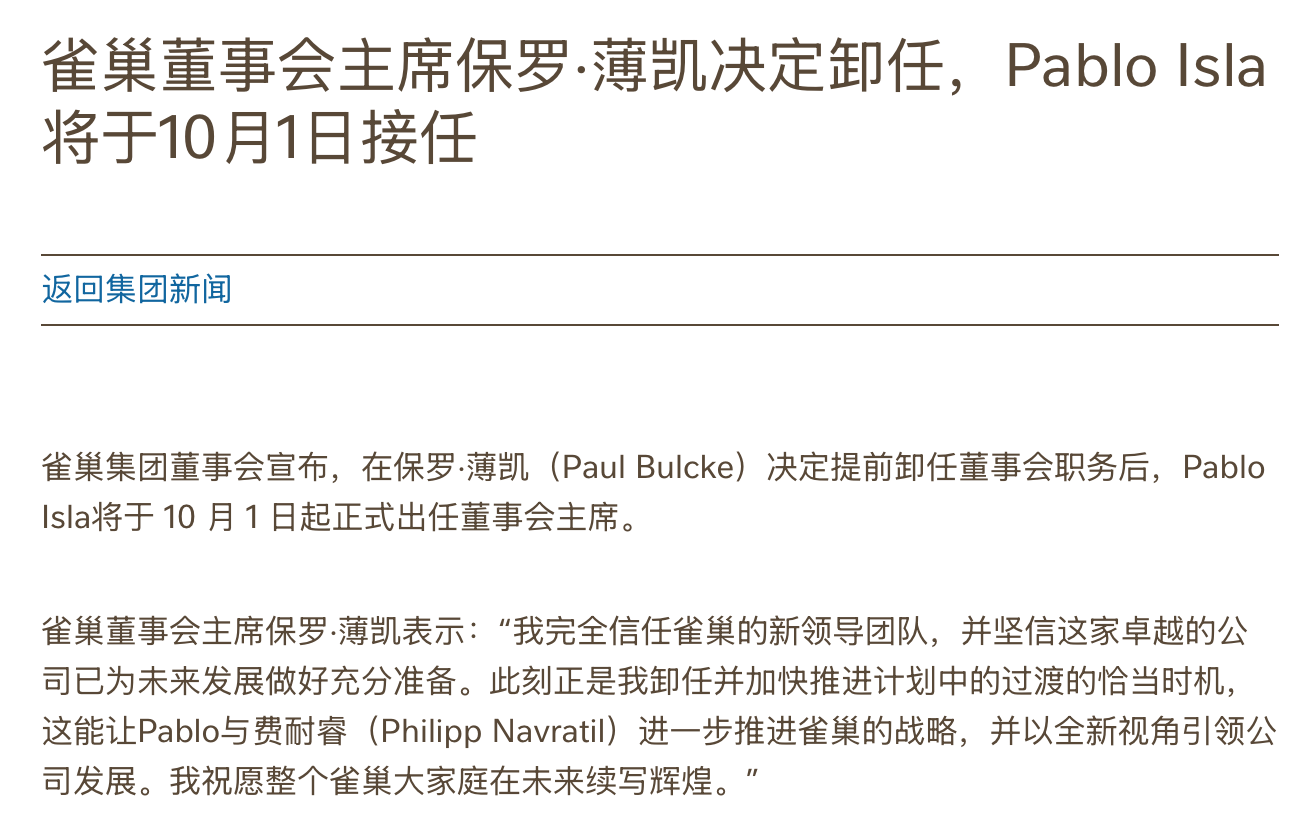
Core Viewpoint - Nestlé Group is undergoing significant leadership changes and business model adjustments in response to challenges in the Chinese market, which has seen a decline in organic growth. Group 1: Leadership Changes - Former CEO Laurent Freixe was dismissed due to an undisclosed office relationship, leading to Philipp Navratil's rapid appointment as the new CEO [1][6] - Paul Bulcke, the chairman of the board, announced his early resignation, with Pablo Isla set to take over on October 1 [1][7] - This year has seen multiple leadership changes within Nestlé China, including the reassignment of key positions such as the general manager of R&D [2][3] Group 2: Business Adjustments - Nestlé's organic growth rate in the Greater China region was reported at -4.2% for the first half of the year, indicating a challenging market environment [1] - The company is shifting from a distribution-driven model to a consumer demand-driven approach, emphasizing speed and flexibility in operations [4][5] - The new R&D leadership is expected to enhance innovation in response to rapidly changing consumer demands in China [2][4] Group 3: Strategic Direction - The recent leadership changes are part of a broader strategy initiated by former CEO Freixe, which included restructuring the Greater China region back into the AOA region [6] - Despite the leadership transitions, the board has expressed confidence that the strategic direction will remain unchanged, focusing on growth and efficiency [7][8] - The company is currently addressing underperforming business units while pursuing six major innovation projects [7]
CEO因“地下恋情”被解雇、董事长提前卸任,大中华区高管更是换换换,百年雀巢今年怎么了?
3 6 Ke· 2025-09-19 01:36
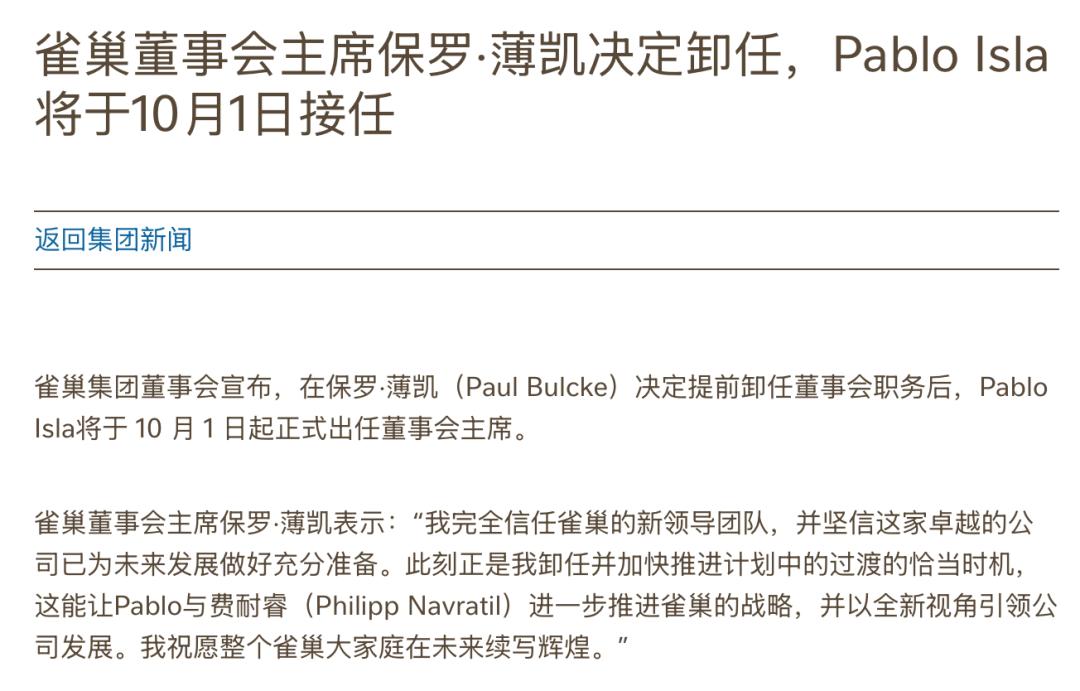
Group 1 - Nestlé Group has faced significant personnel changes this year, including the dismissal of former CEO Laurent Freixe due to an undisclosed office relationship and the appointment of Philipp Navratil as the new CEO [1][11] - Paul Bulcke, the chairman of the board, announced his early resignation, with Pablo Isla set to take over on October 1 [1][11] - The company has experienced a challenging period in the Chinese market, with an organic growth rate of -4.2% in the first half of the year [4] Group 2 - The restructuring in the Chinese market includes the reassignment of key personnel, such as the new general manager for R&D in China, Guglielmo Bonora, who will take over from Sun Zhongwei on October 1, 2025 [3][4] - Nestlé is adapting its business model in China, shifting from a distribution-driven approach to one focused on consumer demand, as emphasized by former CEO Freixe [9][11] - The company is collaborating with local brands like Luckin Coffee and Chayan Yuesheng to enhance product innovation and meet rapidly changing consumer demands [6][9] Group 3 - The recent leadership changes are part of a broader strategy to streamline operations and improve decision-making speed within the company [10][11] - The new CEO, Philipp Navratil, has a long history with Nestlé, having joined in 2001 and gained extensive experience in the coffee business [11][14] - The board remains committed to maintaining the current strategic direction and growth plans despite the leadership transitions [14]
CEO因“地下恋情”被解雇、董事长提前卸任,百年雀巢怎么了?
Mei Ri Jing Ji Xin Wen· 2025-09-18 22:19
Core Insights - Nestlé Group has experienced significant leadership changes in 2023, including the dismissal of former CEO Laurent Freixe due to undisclosed personal conduct and the appointment of Philipp Navratil as the new CEO [1][10] - The company announced the resignation of Chairman Paul Bulcke, with Pablo Isla set to take over on October 1 [3][11] - The changes come amid challenges in the Chinese market, where Nestlé's organic growth rate for the Greater China region was reported at -4.2% in the first half of the year [5] Leadership Changes - Laurent Freixe was dismissed from his position as CEO due to a violation of Nestlé's code of conduct related to an undisclosed relationship with a subordinate [10] - Philipp Navratil, who has been with Nestlé since 2001 and has extensive experience in the coffee business, has taken over as CEO [10][11] - Paul Bulcke's resignation as Chairman was anticipated, as he had previously announced plans to step down [11] Business Adjustments - Nestlé has made several personnel changes in its China operations, including the reassignment of key positions such as the General Manager of R&D in China [4][8] - The company is shifting its business model in China from a distribution-driven approach to one focused on consumer demand [9] - The new leadership is expected to drive innovation and adapt to rapidly changing consumer preferences in the Chinese market [6][7] Market Context - The adjustments at Nestlé reflect broader trends among foreign food and beverage companies in China, which are also reevaluating their strategies in response to market dynamics [5] - The company is currently working on six major innovation projects and addressing 18 underperforming business units [11] - The leadership transition is seen as a critical moment for Nestlé, with expectations that it will influence the company's strategic direction moving forward [11]
CEO因“地下恋情”被解雇、董事长提前卸任,大中华区多名高管也换人!百年食品饮料巨头今年怎么了?
Mei Ri Jing Ji Xin Wen· 2025-09-18 17:06
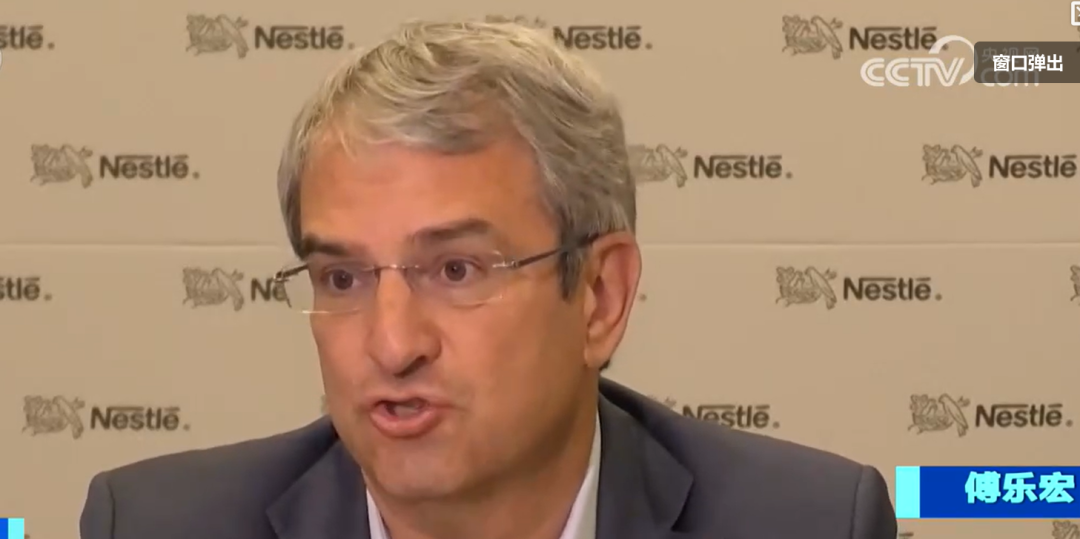
Core Insights - Nestlé Group has faced significant leadership changes this year, including the dismissal of former CEO Laurent Freixe due to undisclosed personal conduct, and the appointment of Philipp Navratil as the new CEO [1][12] - The company also announced the early resignation of Chairman Paul Bulcke, with Pablo Isla set to take over on October 1 [3][13] - The changes come amid challenges in the Chinese market, where Nestlé's organic growth rate for the Greater China region was reported at -4.2% in the first half of the year [5][12] Leadership Changes - Laurent Freixe was dismissed from his position as CEO due to a violation of Nestlé's code of conduct related to an undisclosed romantic relationship with a subordinate [12] - Philipp Navratil, who has been with Nestlé since 2001 and has extensive experience in the coffee business, has been appointed as the new CEO [12][19] - Paul Bulcke's resignation was anticipated, as he had previously announced plans to step down in June, with Pablo Isla taking over as Chairman [13][16] Market Adjustments - Nestlé has made several personnel changes in its China operations, including the reassignment of key positions such as the General Manager of R&D in China [6][11] - The company is shifting its business model in China from a distribution-driven approach to one focused on consumer demand, as highlighted by former CEO Freixe [11][12] - The adjustments in leadership and strategy are part of Nestlé's response to the rapidly changing consumer demands in the Chinese market [8][11] Strategic Direction - Despite the leadership changes, the board has expressed confidence that the strategic direction of the company will remain unchanged, with a focus on growth and efficiency [16][19] - Nestlé is currently working on six major innovation projects and addressing 18 underperforming business units as part of its broader strategy [16]
CEO因“地下恋情”被解雇、董事长提前卸任 大中华区多名高管也换人 百年雀巢今年怎么了?
Mei Ri Jing Ji Xin Wen· 2025-09-18 12:01
Core Insights - Nestlé Group has experienced significant leadership changes in 2023, including the dismissal of former CEO Laurent Freixe due to undisclosed personal relationships and the appointment of Philipp Navratil as the new CEO [1][12] - The company also announced the early resignation of Chairman Paul Bulcke, with Pablo Isla set to take over on October 1 [1][14] Leadership Changes - Laurent Freixe was dismissed after one year in office, which included restructuring the Greater China market by reintegrating it into the AOA region [4][12] - Philipp Navratil, who has been with Nestlé since 2001 and has extensive experience in the coffee business, has taken over as CEO [12][17] - Paul Bulcke's resignation was anticipated, as he had previously announced plans to step down in June [14] Market Adjustments - Nestlé's Greater China market faced challenges, with an organic growth rate of -4.2% in the first half of the year [5] - The company has made multiple personnel changes in its China operations, including the appointment of Guglielmo Bonora as the new head of R&D in China, effective October 1, 2025 [4][11] - The shift in leadership is part of a broader strategy to adapt to rapidly changing consumer demands in the Chinese market [8] Business Model Changes - Nestlé is transitioning from a distribution-driven model to one focused on consumer demand, as highlighted by former CEO Freixe [11] - The company aims to simplify processes and enhance speed and flexibility in its operations to better meet market needs [11][12] - CFO Anna Manz indicated that it may take at least a year to see positive results from these changes [11]
雀巢上半年销售额442.28亿瑞郎
Xin Jing Bao· 2025-07-24 11:35
Core Insights - Nestlé's sales decreased by 1.8% to CHF 44.228 billion due to currency effects, with an organic growth rate of 2.9% [1] - The company is focusing on improving execution and increasing investment to accelerate category growth and market share [2] - In the Greater China region, Nestlé is implementing substantial measures to enhance performance, including management adjustments [3] Financial Performance - Organic growth was driven by pricing contributions of 2.7% and an internal growth rate of 0.2%, indicating weak consumer demand [1] - The company's advertising and marketing expenses rose to 8.6% of sales in the first half of 2025 [2] - Nestlé's six major projects generated over CHF 200 million in sales during the first half of 2025, with a target of at least CHF 100 million in annual sales for each project within three years [2] Regional Insights - In most markets outside Greater China, Nestlé achieved broad growth, particularly in candy products, which saw strong internal growth rates and market share increases [1] - The organic growth rate in Greater China was -4.2%, with a focus on strengthening value propositions to drive consumer demand [3] - Nestlé's performance guidance for 2025 remains unchanged, expecting organic sales growth to outperform 2024 [3]
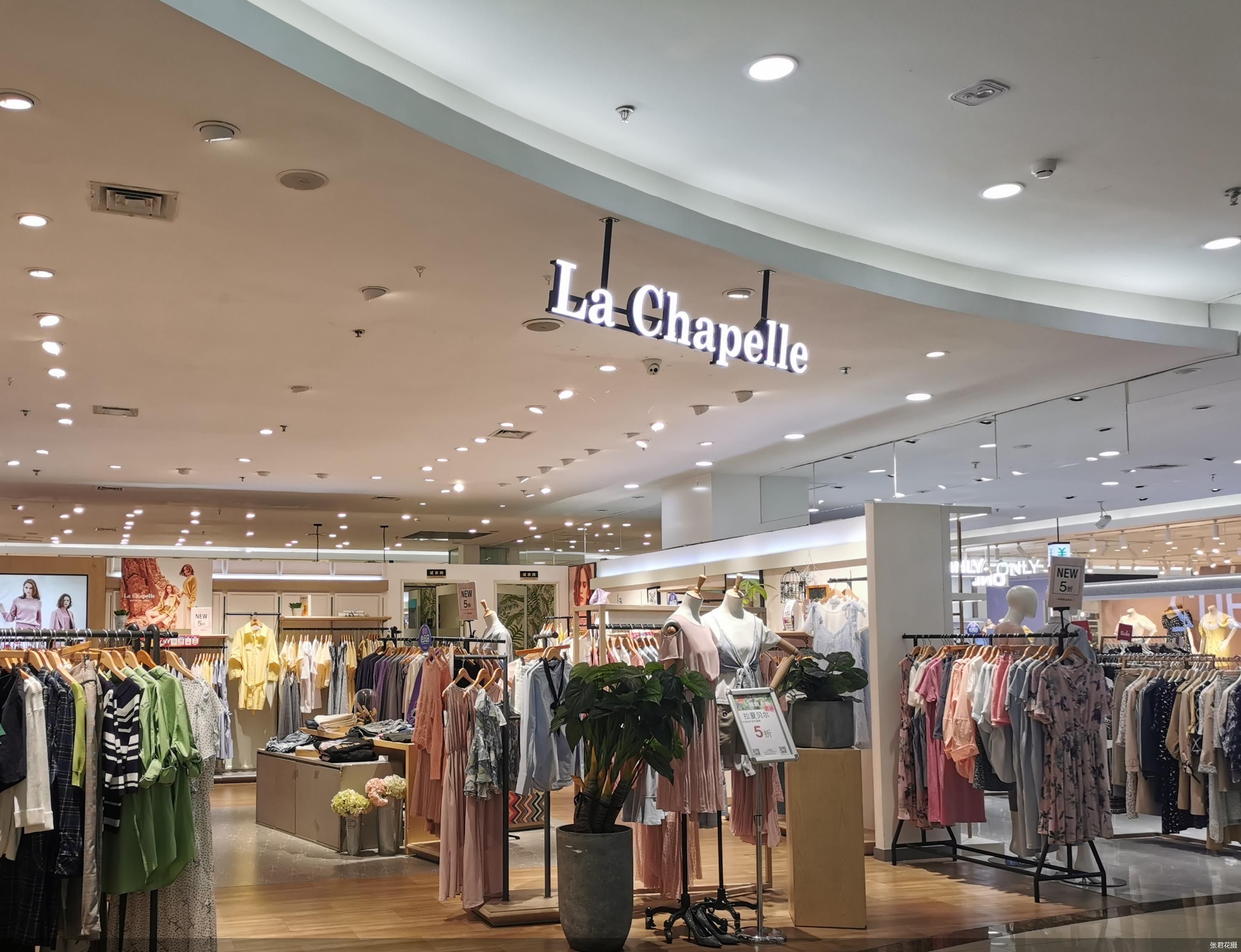
拉夏贝尔“归来”能有多少机会
Bei Jing Shang Bao· 2025-05-28 13:09
Core Viewpoint - La Chapelle is undergoing a judicial restructuring process approved by the Shanghai Third Intermediate People's Court, marking the beginning of its return to the market with a focus on fashion business and leveraging its main brand's competitive advantages [1][4][8]. Group 1: Restructuring Plan - The restructuring plan has received high approval from creditors and investors, with significant investments pledged to help La Chapelle settle debts and improve its financial situation [4][5]. - La Chapelle has signed a restructuring investment agreement with investors, including a 220 million yuan investment from Guangsu Jin Investment Holdings and a 199 million yuan interest-free liquidity support from Dongzheng Innovation [4][5]. - The company aims to enhance its operational efficiency and profitability by focusing on core brand development, optimizing its business structure, and improving its credit system [5][8]. Group 2: Market Position and Challenges - La Chapelle was once a leading domestic women's clothing brand, achieving revenues of 10 billion yuan in 2018, but has faced significant declines since then, with revenues dropping to 1.819 billion yuan in 2020 [7]. - The company has struggled with a growing debt crisis, leading to bankruptcy proceedings and the termination of its A-share listing in 2022 [7]. - Analysts express skepticism about La Chapelle's ability to regain its former market position, citing the evolving competitive landscape in the women's fashion market and the need for innovation and brand differentiation [5][8]. Group 3: Future Strategy - La Chapelle plans to concentrate on its women's clothing brand while differentiating its other brands to cater to diverse consumer needs [9]. - The company aims to reshape its brand matrix and explore multiple growth avenues by enhancing brand storytelling and emotional connections with consumers [8][9]. - The focus will be on sustainable development, quality, and consumer experience to align with current market trends towards personalization and diversity [8].