
两融业务扩张

Search documents
大增近230%!券商开年发债2480亿元“补血”,两融业务成资金重点投向
Mei Ri Jing Ji Xin Wen· 2026-01-27 09:04
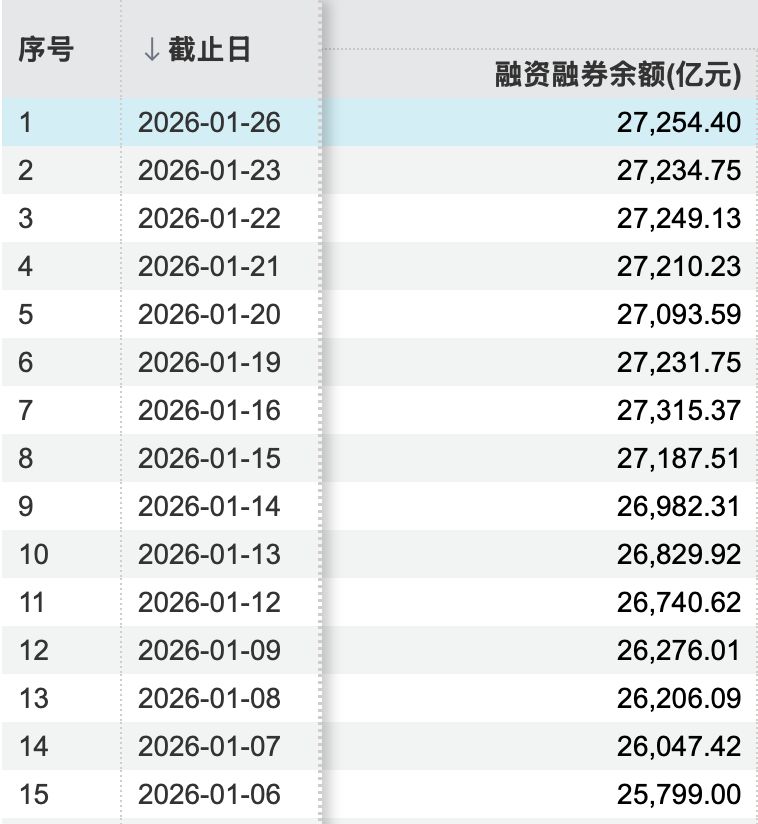
Core Viewpoint - The A-share market has been active at the beginning of 2026, leading to a surge in bond issuance by securities firms to replenish capital and support margin financing business expansion [1][2][3] Group 1: Bond Issuance and Financing - Northeast Securities and Western Securities have received approval for bond issuance of 100 billion yuan and 180 billion yuan, respectively, as part of a broader trend of securities firms seeking to raise funds [1][2] - From January 1 to January 26, 2026, the total bond issuance by securities firms reached 2480.2 billion yuan, a year-on-year increase of nearly 230% [4] - Major firms like Shenwan Hongyuan and GF Securities have also secured significant bond issuance approvals, with Shenwan Hongyuan approved for up to 600 billion yuan and GF Securities for 700 billion yuan [2] Group 2: Fund Utilization - The funds raised through bond issuance are primarily allocated for two purposes: over 50% for repaying maturing bonds and the remainder for operational funding [2][3] - For instance, Western Securities plans to use up to 150 billion yuan of its bond proceeds for debt repayment, while the remaining funds will support fixed income and margin financing business expansion [2] Group 3: Market Dynamics - The continuous rise in margin financing balance, which reached approximately 2.73 trillion yuan by January 26, 2026, has created pressure on some securities firms, necessitating the need for additional capital through bond issuance [1][3] - The active trading environment in the A-share market has contributed to the increasing margin financing balance, which has escalated from 2.5 trillion yuan to 2.7 trillion yuan within a short period [3] Group 4: Regulatory and Structural Changes - The growth in bond issuance by securities firms is a continuation of the upward trend from 2025, where the total bond issuance exceeded 1.89 trillion yuan, reflecting a 44% year-on-year increase [5] - Regulatory support has been pivotal, with policies encouraging the issuance of technology innovation bonds, leading to a significant increase in the issuance of such bonds by securities firms [5][6] - The optimization of bond issuance mechanisms has facilitated easier financing operations for securities firms, allowing for the issuance of additional bonds linked to existing ones [6]






融资融券 最新信号
Shang Hai Zheng Quan Bao· 2025-09-25 15:54
Core Viewpoint - The continuous increase in margin financing balance reflects a growing confidence in the market, prompting brokerages to raise their credit business limits to capture market share [1][5]. Group 1: Margin Financing Balance Growth - As of September 24, the margin financing balance reached a record high of 2.43 trillion yuan, with a single-day increase of over 14 billion yuan, marking a 77.14% year-on-year growth [1][4]. - The margin financing balance has remained above 2 trillion yuan since August 5, maintaining above 2.4 trillion yuan for three consecutive trading days [4]. Group 2: Brokerage Responses - Zheshang Securities announced an increase in its credit business limit from 40 billion yuan to 50 billion yuan, reflecting confidence in the growth of its margin financing business [1][2]. - Other brokerages, such as Hualin Securities and Industrial Securities, have also raised their credit business limits multiple times this year, indicating a trend among firms to expand their margin financing capabilities [2][3]. Group 3: Market Dynamics and Strategies - The increase in margin financing is attributed to heightened market activity, with significant inflows into sectors like electronics and power equipment, indicating investor interest in these areas [4][8]. - Brokerages are adopting various strategies to enhance their margin financing services, including improving customer service, risk management, and leveraging technology for better trading experiences [3][8]. Group 4: Risk Management and Compliance - Despite the growth in margin financing, there have been instances of regulatory violations among brokerages, highlighting the importance of robust risk management practices [6][7]. - Companies are focusing on enhancing their risk management frameworks, including investor suitability assessments and continuous monitoring of client accounts to mitigate potential risks associated with increased leverage [7][8].

