个人崇拜主义

Search documents
各国纸币不同面额的头像都不一致,人民币当初是怎样规定的?
Sou Hu Cai Jing· 2025-05-03 08:52
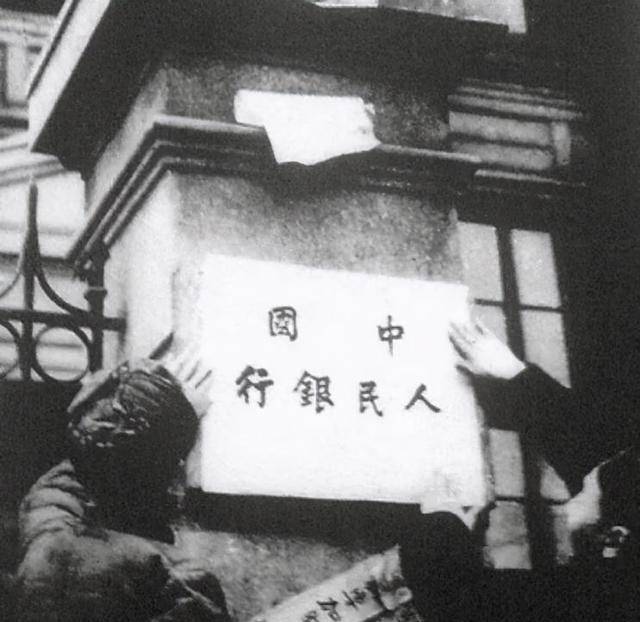
Core Viewpoint - The establishment of a unified currency in China was driven by the need for economic stability and development during a time of social upheaval and military conflict, leading to the issuance of the Renminbi (RMB) in 1948 [1][3][6]. Group 1: Historical Context - In 1947, the Chinese Communist Party recognized the necessity for a unified currency due to the diverse local currencies hindering economic growth [1]. - The People's Bank of China was established in April 1948 to oversee the design and issuance of the new currency [3]. Group 2: Design and Approval Process - The initial design of the RMB included the image of Chairman Mao, but he rejected this idea, emphasizing that the currency should represent the state and not individual leaders [4][8]. - The final design of the first RMB featured images reflecting the people's production and lifestyle rather than individual portraits, which was approved and issued on December 1, 1948 [4][6]. Group 3: Subsequent Developments - The People's Bank of China issued a total of 62 versions and 12 denominations of the RMB from 1948 to 1953, which were well-received by the public despite the absence of Mao's image [6]. - The second RMB series was designed in 1955, again without Mao's portrait, adhering to his wishes against personal cultism [11]. - The fourth RMB series, introduced in 1983, initially featured a maximum denomination of ten yuan, but later expanded to include fifty and one hundred yuan notes due to economic growth [14][16]. Group 4: Inclusion of Mao's Image - In 1988, after Mao's passing, the decision was made to include his image on the 100 yuan note, marking a significant change in currency design policy [18]. - The fifth RMB series, launched in 1999, featured Mao's portrait on all denominations, a rare occurrence in global currency design, reflecting his enduring legacy and popularity among the Chinese people [20].