
中介式资本

Search documents
巴拿马这一刀,砍断了谁的退路?美国不再需要“李嘉诚式中介”
Sou Hu Cai Jing· 2026-02-06 01:48
Core Viewpoint - Panama's sudden decision to forcibly reclaim the operating rights of Li Ka-shing's CK Hutchison Holdings in the Panama Canal signals a shift in U.S. foreign policy, moving away from intermediary capital and directly asserting control over strategic assets [1][3]. Group 1: U.S. Policy Shift - The U.S. is no longer willing to maintain the "intermediary capital" model that has been effective during the peak of globalization, where reliable intermediaries facilitated relationships between major powers [1][3]. - Under Trump's administration, the U.S. has adopted a more direct approach, emphasizing control over strategic assets rather than relying on third-party intermediaries [1][5]. Group 2: Strategic Importance of Panama Canal - The Panama Canal is viewed by the U.S. as a critical asset for global shipping and national security, impacting military, energy, and supply chain considerations [3]. - The U.S. will not hesitate to eliminate any obstacles that stand in the way of its strategic goals, indicating that companies like CK Hutchison Holdings are no longer seen as reliable partners [3][5]. Group 3: Global Capital Implications - Similar changes are occurring in other key regions, with ports, energy, and communication sectors being redefined as "security assets" rather than mere commercial assets [5]. - The current geopolitical landscape suggests that businesses must adapt to a reality where hegemonic politics dictate commercial outcomes, rather than the other way around [5][7]. Group 4: Warning to Global Capital - The shrinking of gray areas in international business serves as a warning to global capital that the rules of engagement have changed under U.S. hegemony [7]. - Companies must either align with U.S. interests or risk being marginalized, highlighting the urgency for global capital to respond to these new dynamics [7].

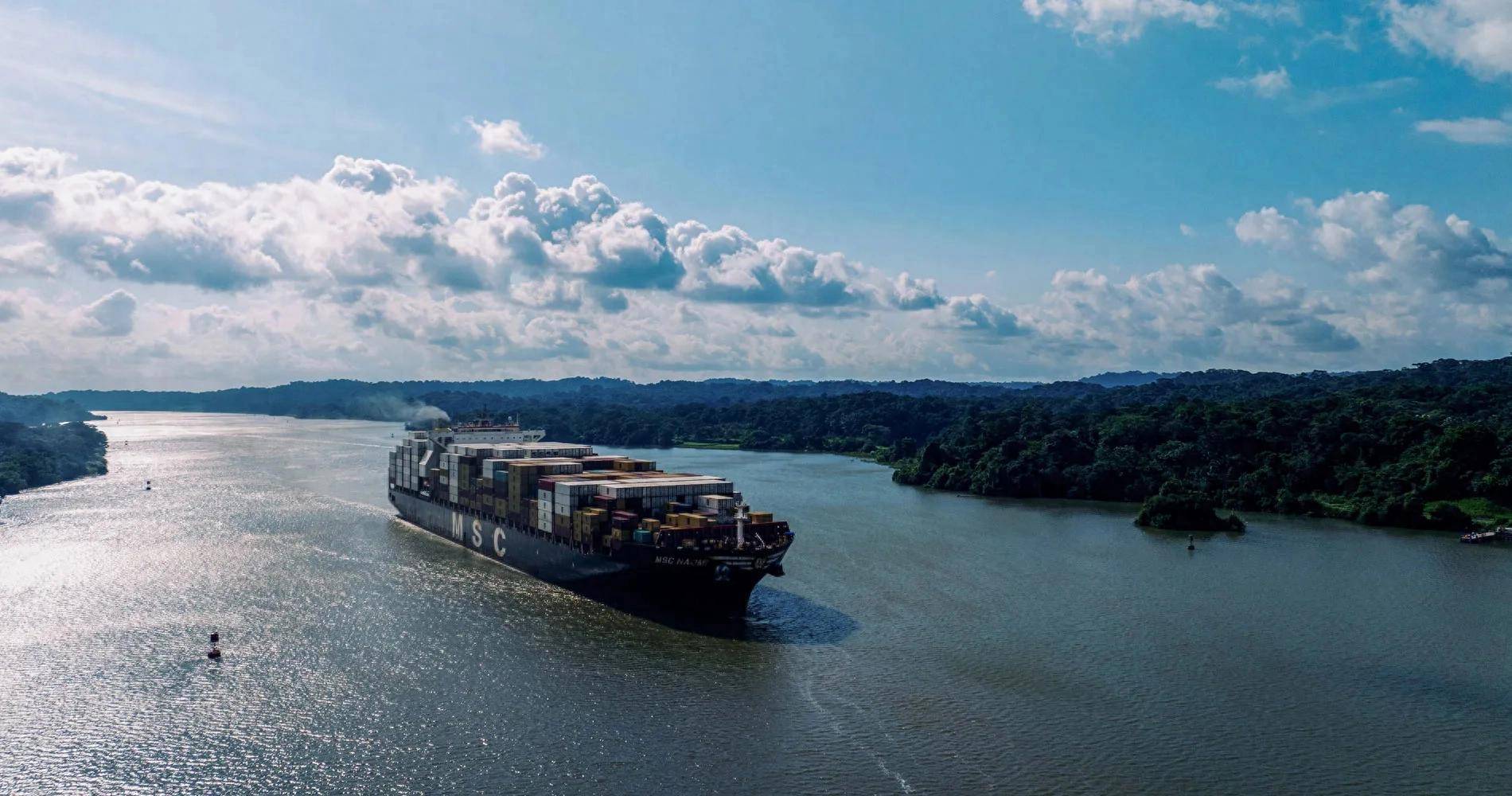
巴拿马这一刀,砍断了谁的退路?美国不再需要李嘉诚式中介
Sou Hu Cai Jing· 2026-02-03 04:50
Group 1 - Panama's decision to forcibly reclaim the operating rights of Cheung Kong Group in the Panama Canal has shocked the global community, reflecting a shift in U.S. foreign policy towards direct control rather than reliance on intermediaries [1][3] - The U.S. views the Panama Canal as a strategic asset crucial for military logistics, energy supply, and global supply chain stability, indicating that any entity obstructing U.S. strategic goals will face consequences [3][5] - The move by Panama is not just against Cheung Kong Group but challenges an outdated model of utilizing commercial entities to manage strategic assets, signaling a new era where U.S. hegemony will not tolerate such arrangements [3][5] Group 2 - Similar situations are emerging globally, where critical sectors like ports, energy, and communications are being redefined as security assets rather than mere commercial assets, limiting capital flow in these areas [5] - The prevailing belief that commercial actions can influence political decisions is outdated; instead, hegemonic politics now dictate commercial activities, as exemplified by the current U.S. administration's approach [5] - The global capital landscape is undergoing a transformation where entities must choose sides or withdraw, as the gray areas in international business are rapidly disappearing under U.S. hegemony [5]