
中医药本土化

Search documents
中医药“出海”亟须破解“有医缺药”难题
Zhong Guo Jing Ji Wang· 2026-01-20 00:30
Core Insights - The global expansion of Traditional Chinese Medicine (TCM) has accelerated, reaching over 190 countries, but the export of Chinese herbal products has been declining due to high registration barriers and translation issues [1][2][3] Group 1: Export Trends - The total export value of Chinese herbal products peaked at $5.69 billion in 2022 but has since decreased to $5.28 billion in 2024, with a further decline of 5.6% in the first half of 2025 [2] - Despite an increase in the export volume of plant extracts like menthol and citrus essential oils, the total export value has dropped by 7.7% in 2024 [2] - The export value of proprietary Chinese medicines has not exceeded 10% of the total herbal product exports in recent years [2] Group 2: Challenges in International Markets - The high costs associated with registering and selling TCM products overseas, along with the instability of global supply chains, have dampened companies' enthusiasm for entering foreign markets [3] - Regulatory requirements in foreign countries often necessitate the disclosure of proprietary formulations, leading to the abandonment of potentially lucrative markets [3] - The lack of available herbal products in overseas markets has resulted in a situation where TCM practitioners can only offer acupuncture and massage, limiting the full expression of TCM's benefits [3][4] Group 3: Regulatory and Translation Issues - Differences in the translation of herbal materials between Chinese and foreign pharmacopoeias create significant barriers to market entry, with about 20% of herbal materials having inconsistent translations [6] - Many herbal products are classified as dietary supplements in international markets, which diminishes their competitiveness as pharmaceuticals [7] - The lack of integration with local traditional medicine practices in foreign markets poses additional challenges for TCM's acceptance and effectiveness [7] Group 4: Strategies for Improvement - The Chinese government has been enhancing international cooperation frameworks to support TCM's global outreach, including signing agreements with over 40 foreign governments [5][8] - Experts suggest that TCM should adapt to local cultural contexts and market demands, emphasizing the need for collaboration with local institutions [8][9] - There is a call for the standardization of herbal material translations and the inclusion of more TCM products in international pharmacopoeias to facilitate smoother market entry [8]
镜头寻访欧洲中医—— 信任何以发生,神奇如何生长
Xin Lang Cai Jing· 2025-12-27 03:17
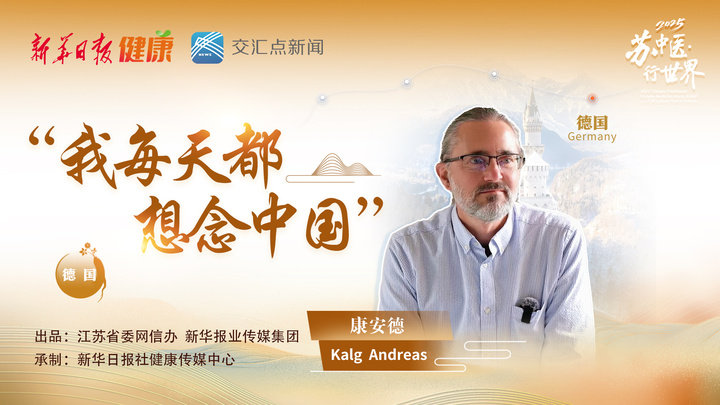
Core Viewpoint - The documentary "The Amazing Traditional Chinese Medicine Overseas: Europe" highlights the growing acceptance and integration of Traditional Chinese Medicine (TCM) in various European countries, showcasing its effectiveness and the cultural exchange involved in its practice [1][11]. Group 1: Effectiveness and Acceptance - In Germany, Dr. Kander has integrated TCM into his practice, receiving five-star reviews for his clinic, where he uses herbal medicine and acupuncture to help patients with infertility, demonstrating the effectiveness of TCM [3]. - In the UK, Dr. Shulan has built a reputation over 30 years, successfully treating patients with severe eczema and infertility, and has trained over 2,000 local practitioners, indicating a deepening trust in TCM [5]. - The UK Acupuncture Council's members acknowledge that while acupuncture is easily accepted, the theoretical aspects of herbal medicine require time to build trust through demonstrated efficacy [5]. Group 2: Localization and Education - Dr. Huang in Lisbon adapts TCM teachings for a diverse classroom of students from 15 countries, using relatable language to make complex concepts accessible, which aids in the understanding and acceptance of TCM [7]. - Dr. Shubai in Paris combines TCM with Western medicine, emphasizing a human-centered approach that addresses both physical and psychological aspects of health, further integrating TCM into local practices [9]. - Nanjing University of Chinese Medicine has trained nearly 10,000 overseas TCM professionals since the mid-20th century, showcasing the institution's role in promoting TCM internationally [10]. Group 3: Cultural Exchange and Global Reach - TCM has been recognized in 196 countries, with 113 WHO member states acknowledging acupuncture, reflecting its global acceptance and the sharing of health solutions [9]. - The documentary emphasizes that TCM's journey abroad is not just about medical practice but also about fostering cultural dialogue and understanding, as it addresses health needs across different societies [11].

镜头寻访欧洲中医,信任何以发生,神奇如何生长
Xin Lang Cai Jing· 2025-12-27 02:14
Core Insights - The documentary "The Magical Chinese Medicine Overseas: Europe" highlights the growing acceptance and integration of Traditional Chinese Medicine (TCM) in Europe, showcasing its effectiveness and the dedication of practitioners [1] Group 1: Effectiveness and Acceptance - TCM has gained popularity in Europe due to its tangible therapeutic effects, with practitioners like Dr. Kander in Germany achieving five-star ratings for his clinic, particularly in treating infertility [1] - In Manchester, Dr. Shulan has successfully treated patients with severe eczema and infertility, contributing to the growing reputation of TCM in the UK [1] - The British Acupuncture Council acknowledges the immediate effects of acupuncture, which helps in building trust in TCM among patients [1] Group 2: Localization and Education - Successful TCM practices abroad have undergone "localization," adapting to local cultures and languages to make TCM concepts more accessible [1] - In Lisbon, Dr. Huang has effectively taught TCM to students from 15 countries by using relatable language and concepts, making TCM more understandable [1] - Nanjing University of Chinese Medicine has trained nearly 10,000 overseas TCM professionals since the mid-20th century, reflecting the institution's commitment to international education [1] Group 3: Cultural Exchange and Philosophy - TCM's global outreach is seen as a way to share a health solution that transcends cultural barriers, fostering a deeper understanding of health and wellness [1] - The integration of TCM with Western medicine is emphasized by practitioners like Dr. Shu Baishan, who believes in a human-centered approach to healthcare [1] - The promotion of TCM is not just about medical practice but also about building bridges for cultural dialogue and shared wisdom in health [1]
欧洲中医药:靠疗效赢得口碑,本土化发展正当时
Xin Hua Ri Bao· 2025-10-14 23:13
Core Insights - The increasing presence of Traditional Chinese Medicine (TCM) clinics in Europe, particularly in London and Paris, indicates a growing acceptance among local populations, not just the Chinese community [1][2] - The effectiveness of TCM treatments is the primary reason for its acceptance, with many local patients returning for further treatment and recommending it to others [2][5] - The development of TCM in Europe has involved a process of localization to adapt to cultural differences and market needs [4][5] Group 1: TCM Acceptance and Effectiveness - TCM is gaining recognition in Europe, with many clinics reporting a high percentage of local patients [1][2] - The success of TCM is largely attributed to its therapeutic effectiveness, leading to a shift from being viewed as an alternative to being trusted by local patients [2][5] - In the UK, TCM practices such as herbal medicine and acupuncture are widely accepted, with improvements in the palatability of herbal treatments enhancing patient acceptance [2][3] Group 2: Localization and Market Adaptation - TCM has undergone a "localization" process in Europe, addressing cultural differences and consumer preferences [4][5] - Innovations in product forms, such as encapsulating herbal powders to improve taste, have made TCM more accessible to European consumers [5] - The establishment of strong partnerships with local TCM practitioners has been crucial for businesses like "百草苑" to thrive in the European market [5] Group 3: Educational Support and Professional Development - The growth of TCM in Europe is supported by the establishment of professional organizations, indicating a move towards standardization and organization within the industry [6] - There is a need for unified standards in TCM education and practice in the UK, as highlighted by industry leaders [6] - Clinical research is being explored to create standardized treatment pathways for common ailments, balancing the essence of individualized treatment with the need for broader acceptance [6]