中医食疗

Search documents
皮肤干燥难耐?吃对就能水润过冬
Xin Lang Cai Jing· 2025-12-19 17:24
Core Viewpoint - The article emphasizes the importance of dietary adjustments to combat skin dryness during winter, highlighting the connection between skin health and the functions of the lungs and kidneys according to traditional Chinese medicine [1]. Group 1: Recommended Foods for Skin Hydration - Foods that promote lung moisture include tremella, lily bulb, pear, honey, and lotus root, which help to nourish the lungs and alleviate skin dryness [3]. - Foods that nourish the kidneys include black sesame, black beans, goji berries, mulberries, and walnuts, which contribute to skin smoothness and hydration [4]. - Foods that strengthen the spleen and nourish blood include yam, red dates, millet, pumpkin, and longan, which enhance nutrient absorption and improve skin appearance [5]. Group 2: Foods to Avoid - Spicy foods such as chili, pepper, and ginger should be minimized as they can deplete body fluids and worsen dryness [7]. - Fried and barbecued foods like fried chicken and skewers can create internal heat, negatively affecting skin metabolism [8]. - High-sugar and high-salt foods, including candies and pickles, can accelerate water loss in the body, leading to further skin dehydration [9]. Group 3: Additional Habits for Skin Health - Reducing late-night activities is advised, as staying up late can deplete vital fluids and exacerbate dryness, with a recommendation to sleep before 11 PM [11]. - Moderate exercise, such as Tai Chi and brisk walking, is encouraged to promote blood circulation and aid in the distribution of body fluids to the skin [12]. - Maintaining skin moisture through timely application of body lotion after bathing can help reduce water evaporation, enhancing overall skin hydration [13].
告别手脚冰凉 中医6款暖身方陪你温暖过冬
Ren Min Wang· 2025-12-12 01:31
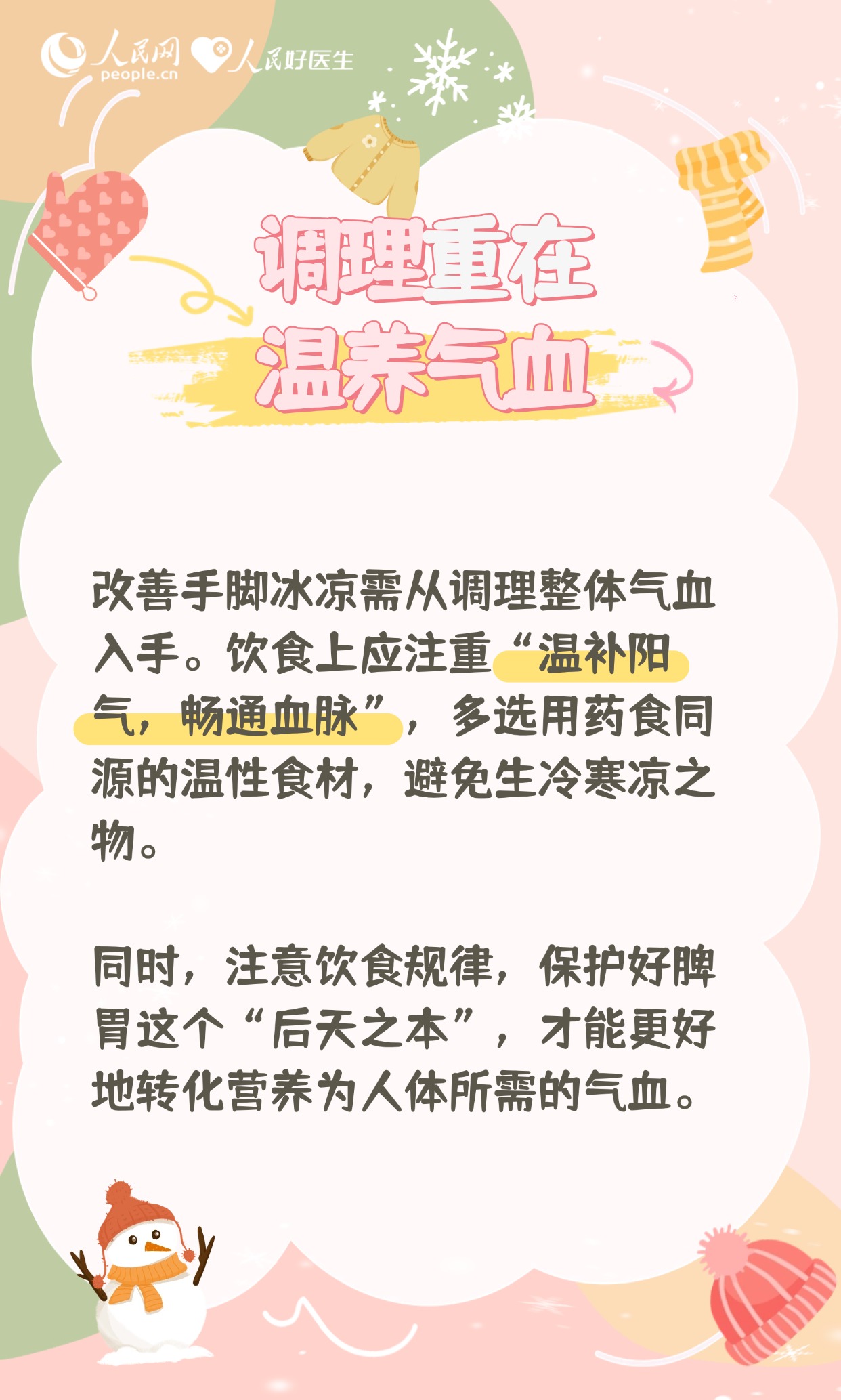
Core Viewpoint - The article discusses dietary recommendations for warming the body during winter, particularly for individuals experiencing cold extremities, which is linked to traditional Chinese medicine concepts of insufficient yang energy and blood circulation [1]. Dietary Recommendations - **Angelica and Ginger Lamb Soup**: Ingredients include 10g of angelica, 15g of ginger, and 250g of lamb, cooked until tender. This dish is effective for warming the body, nourishing blood, and alleviating cold pain, suitable for those with symptoms of cold extremities and abdominal cold pain [3][4]. - **Warming Beef Soup**: Made with small pieces of beef, 5g of ginger, 3g of pepper, 3g of dried tangerine peel, and 3 red dates. This soup helps to warm the body, dispel cold, and strengthen the spleen, particularly for individuals with cold abdominal pain and weak spleen function [4][5]. - **Yellow Chicken Soup**: Ingredients include one yellow hen, 250g of angelica, 20g of astragalus, 15g of ginger, and 200g of glutinous rice. The soup is beneficial for nourishing qi and blood, and is suitable for those with cold extremities, pale complexion, fatigue, and cold sensitivity [5][6]. - **Astragalus and Yam Porridge**: Prepared with 20g of astragalus, 51g of rice, and 30g of fresh yam. This porridge is effective for boosting qi, strengthening the spleen, and warming the body, ideal for those experiencing fatigue and cold extremities [7][8]. - **Longan and Red Date Tea**: Made with 10g of longan meat and 5 red dates, boiled for 15 minutes. This tea is a traditional warming drink that nourishes the heart and spleen, suitable for those with insomnia, forgetfulness, and palpitations [12][13]. - **Red Date and Dried Tangerine Peel Tea**: Ingredients include 3 slices of ginger, 6 red dates, and 5g of dried tangerine peel, boiled for 10 minutes. This tea helps to dispel cold, regulate qi, and nourish blood, suitable for those with cold stomach pain and poor appetite [14][15]. Additional Advice - The article emphasizes that dietary therapy should be gradual, and if symptoms persist or worsen, individuals should seek medical attention to rule out underlying causes. It also suggests engaging in appropriate physical activity and maintaining warmth to enhance blood circulation and improve cold resistance [16].