中国设计师品牌出海

Search documents
中国设计师品牌出海:海外市场需要怎样的中国创造力?
第一财经· 2025-11-02 12:05
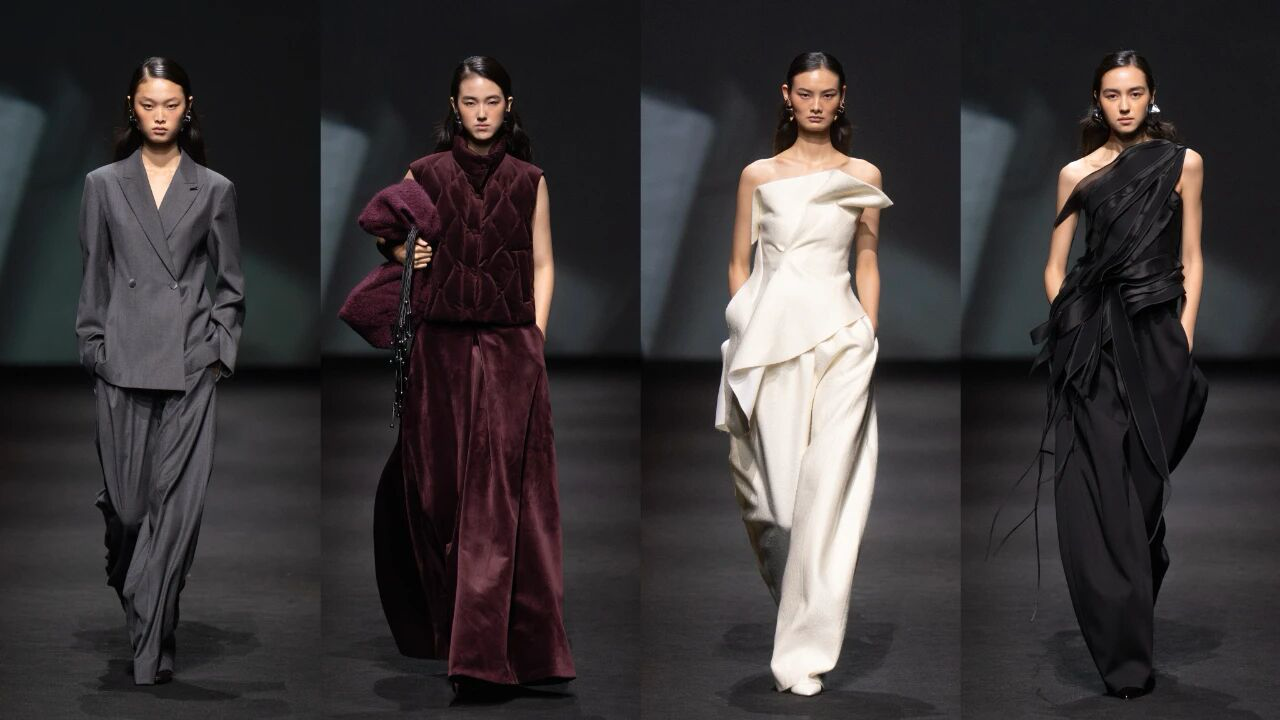
Core Viewpoint - The article discusses the challenges and opportunities faced by Chinese designer brands as they seek to expand into the European market, emphasizing the need for strong local partnerships and innovative marketing strategies to succeed in a competitive landscape [1][5]. Industry Overview - The independent design sector in China has experienced rapid growth over the past two decades, with many brands emerging as significant players in the fashion industry [1]. - The current market is characterized by intense competition and a shift in consumer expectations, leading to a decline in the willingness of buyers to invest in new designer brands [5][6]. Market Dynamics - The 2026 Spring/Summer Shanghai Fashion Week indicated a decrease in buyer purchasing intentions and budgets, reflecting a broader trend of reduced consumer demand and increased costs for trial and error in the designer brand space [5]. - The pricing strategies of designer brands have shifted, with many brands experiencing a significant drop in price points compared to previous years [5]. Brand Strategies - Raxxy, a designer brand, aims to position itself in the high-end market, competing with established brands like Moncler by offering innovative designs and artistic expressions [7][9]. - The brand's first commercial collection is priced between €2000 and €3000, and it has successfully entered over 80 boutiques across 19 countries [9][12]. International Expansion - Raxxy is focusing on establishing a presence in key European markets through partnerships with prominent department stores and local companies [12][13]. - The brand's strategy includes enhancing product quality and design details to meet international standards, which is crucial for building a strong market presence [13]. Cultural Integration - Chinese designer brands are increasingly leveraging local cultural elements and traditional craftsmanship to differentiate themselves in the global market [10][15]. - The article highlights the importance of storytelling and cultural narratives in establishing brand identity and resonance with international consumers [10][15]. Future Outlook - The article suggests that the expansion of Chinese designer brands into international markets is a long-term endeavor supported by capital, supply chain management, marketing, and talent [16]. - The presence of Chinese brands at major fashion weeks indicates a structural evolution from mere product output to a more comprehensive cultural and aesthetic contribution [16].

中国设计师品牌出海:海外市场需要怎样的中国创造力?
Di Yi Cai Jing· 2025-11-02 05:39
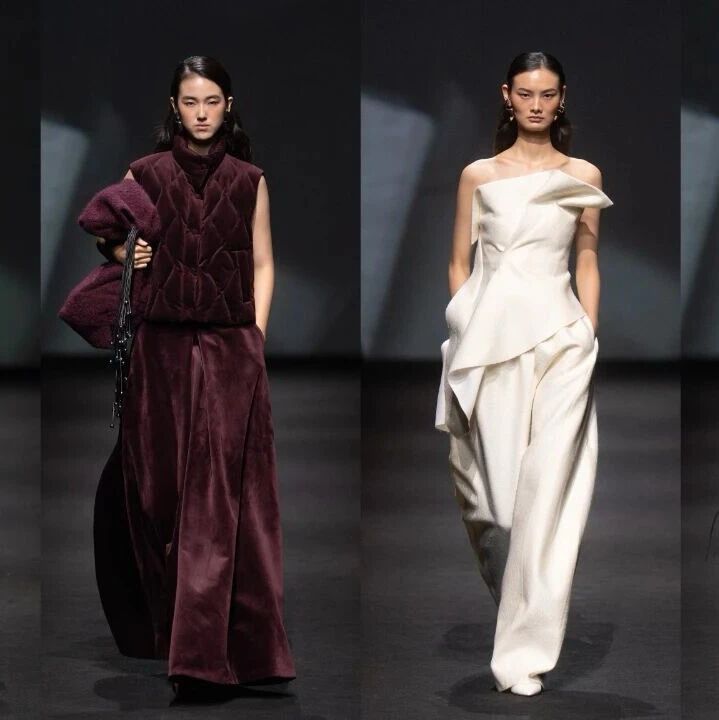
Core Insights - Chinese designer brands are transitioning from product output to cultural and aesthetic output, marking a structural advancement in the industry [1][13] - The competitive landscape is intensifying, with new brands needing more than just good design to succeed, as market expectations are lowering due to homogenization [3][4] - The need for collaboration with local partners in Europe is emphasized for successful market entry [1][9] Industry Trends - The independent designer brand ecosystem is evolving, with a shift from pre-order models to a mix of pre-order and inventory sales, leading to a significant decrease in price points [3] - Consumer demand is contracting, and the cost of trial and error is rising, making it challenging for designer brands to grow in a market that lacks patience [4] - The women's apparel sector is experiencing revenue declines, prompting brands to seek differentiation outside the mainstream market [5] Brand Strategies - Raxxy, a rising brand, aims for high-end positioning despite the challenges of price competition, utilizing artistic methods to innovate its product offerings [5][7] - The brand is focusing on establishing a presence in key European markets through partnerships and high-profile retail locations [9][10] - Raxxy's first commercial collection is set to launch globally, with prices ranging from €2000 to €3000, indicating a strategy to penetrate the luxury segment [7][10] Cultural Integration - Chinese designers are increasingly drawing from local cultural elements and traditional craftsmanship to enhance their brand narratives and global appeal [8][12] - Collaborations and pop-up events are being used as strategies to build overseas recognition and market presence [8] - The emphasis is on creating a strong brand identity and narrative that resonates with international consumers [12] Market Challenges - New brands face the challenge of quickly establishing their identity and positioning in a mature and competitive market [9] - The rising costs associated with entering global markets necessitate careful financial planning and brand pricing strategies [9][10] - The importance of innovation in design and marketing is highlighted as a key factor for achieving international success [7][10]