中国责任论

Search documents
欧洲不演了,高官向中国喊话:想当全球大国,必须先对俄出手
Sou Hu Cai Jing· 2026-02-14 04:11
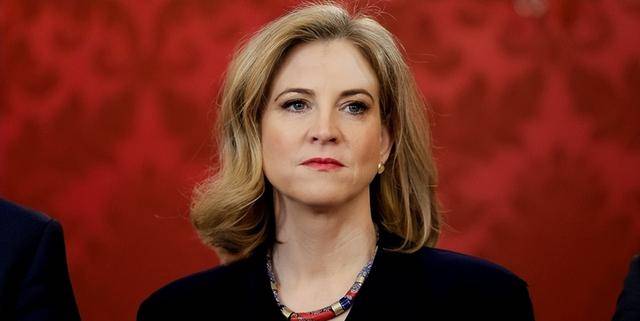
Core Viewpoint - European politicians are increasingly vocal about their positions regarding the Ukraine conflict, suggesting that China should pressure Russia to cease hostilities in order to fulfill its potential as a global power [1][3][10]. Group 1: European Political Dynamics - Austria's Foreign Minister, Alexander Schallenberg, has publicly urged China to take responsibility in the Ukraine conflict, indicating a shift in European rhetoric towards externalizing internal issues [1][3]. - The prolonged Ukraine conflict has intensified social and political pressures within Europe, leading to a reevaluation of relationships with both the U.S. and China [1][10]. - Some European leaders are shifting the focus of criticism from the U.S. to China, highlighting China's ongoing energy transactions with Russia as a factor prolonging the conflict [3][8]. Group 2: Energy Dependency and Economic Impact - Europe has significantly reduced its reliance on Russian energy, increasing its dependence on U.S. liquefied natural gas, which has led to higher energy costs and economic pressures [5][12]. - The internal divisions within Europe regarding energy sanctions against Russia reflect concerns over energy price volatility and economic stability [5][12]. - As Europe's energy dependency on the U.S. grows, its diplomatic space diminishes, aligning European foreign policy more closely with U.S. interests while facing internal pressures [8][12]. Group 3: Strategic Shifts and Future Implications - The narrative of "China's responsibility" is emerging as a political tool for Europe to address its internal challenges while seeking external solutions [10][18]. - The evolving situation indicates a clear chain of events: battlefield stalemate increases pressure for aid, energy structure changes compress economic space, and U.S. policy shifts towards transactional logic [16][18]. - The debate over China's role in the conflict reflects Europe's strategic anxiety and the need for a new framework to explain its position amidst ongoing tensions [18].

特朗普承认,中国帮了美国大忙,但中方的核心关切,他却绝口不提
Sou Hu Cai Jing· 2025-07-22 03:58
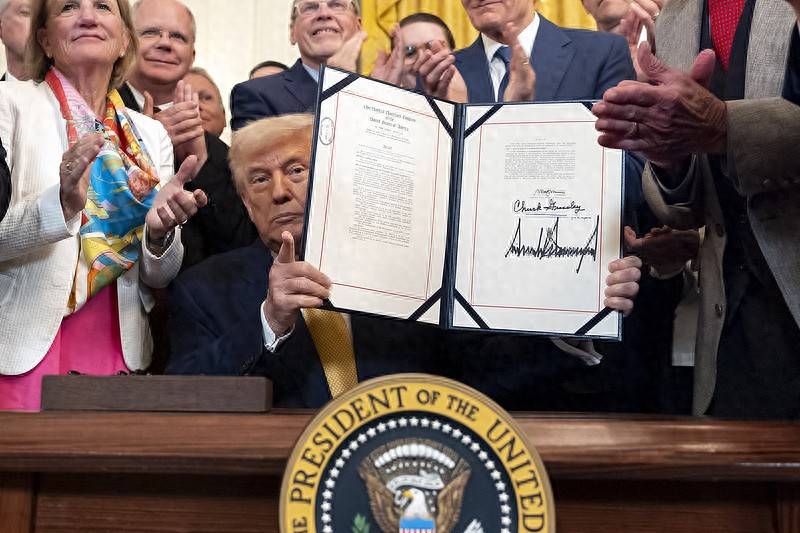
Core Points - The article discusses the contradictory statements made by President Trump regarding China's role in the fentanyl crisis, highlighting his fluctuating stance that aligns with trade tariff policies [1][3] - It emphasizes that despite Trump's claims, evidence shows a significant reduction in fentanyl from China since 2019, coinciding with China's strict regulatory measures [3][5] - The article critiques the U.S. healthcare system's failure to address the root causes of the opioid crisis, attributing it to domestic pharmaceutical practices rather than foreign supply [5][7] Summary by Sections U.S.-China Relations and Fentanyl - Trump's comments on China’s efforts to combat fentanyl are inconsistent, reflecting a broader strategy tied to trade tariffs [1] - The signing of the fentanyl trafficking law coincided with Trump's reversion to blaming China for the majority of fentanyl supply [1][3] Impact of China's Regulatory Measures - China's 2019 regulations led to a notable decrease in fentanyl-related deaths in the U.S., with a 20%-25% reduction in overdose fatalities [3][5] - U.S. reports indicate that since 2019, there has been "almost no detection" of fentanyl from China, contradicting Trump's narrative [3][5] Domestic Issues in the U.S. - The article highlights systemic failures in the U.S. healthcare system, where 80% of the world's opioids are consumed by only 5% of the global population [5] - Trump's proposed solutions, such as executing drug traffickers in China, are criticized as superficial and failing to address domestic pharmaceutical lobbying and prescription practices [5][7] - The ongoing opioid crisis in the U.S. is framed as a public health issue that cannot be resolved through political posturing or foreign blame [7]