中式美学

Search documents
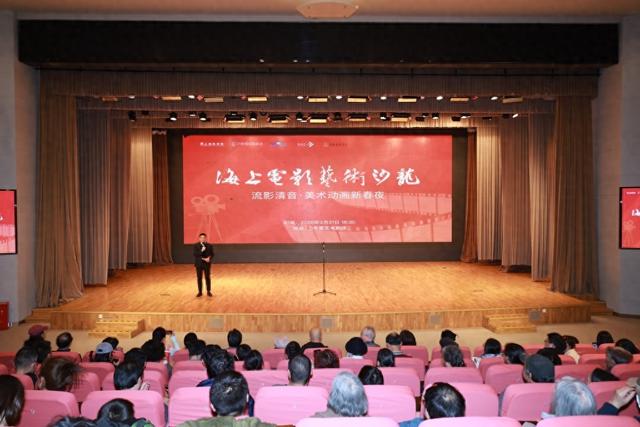
电影走进上海美术馆,海派美学在光影中活起来
Xin Lang Cai Jing· 2026-02-22 07:37
Group 1 - The "Shanghai Film Art Salon" was launched on February 21, 2023, at the Shanghai Art Museum, providing a dedicated space for regular artistic film exchanges in the city [1][2] - The first event featured the screening of animated films "Deer Bell" and "Landscape Emotion," showcasing Chinese aesthetic themes through immersive experiences [3][5] - The salon aims to promote quality art film screenings, including classic restorations and contemporary artistic works, alongside various related activities such as film appreciation sessions and artist dialogues [10][12] Group 2 - The event highlighted the collaboration between film and art, emphasizing their shared artistic heritage and potential for creative synergy [10] - The screenings included beloved classics that resonate with multiple generations, evoking nostalgia and cultural memories during the festive season [10] - Additional activities during the event included guided tours and hands-on art experiences, enhancing the overall artistic journey for attendees [12][13]

春晚里的青花福马,藏着中式美学的浪漫
Xin Lang Cai Jing· 2026-02-22 01:28
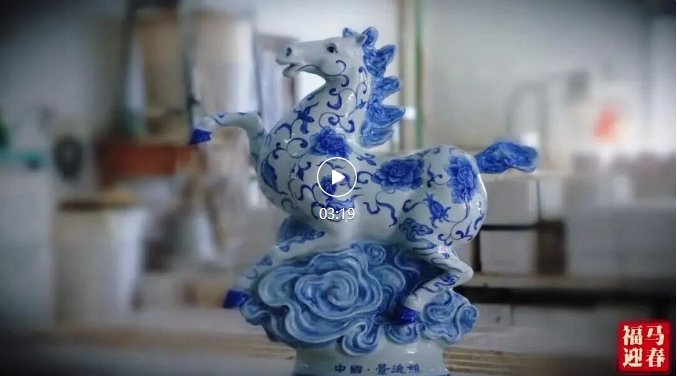
Core Viewpoint - The article highlights the cultural significance of the blue and white porcelain sculpture of a horse, which represents the charm of traditional Chinese craftsmanship and aesthetics, showcased at the 2026 Spring Festival Gala [1][6]. Group 1: Cultural Significance - The blue and white porcelain horse, created by Cao Chunsheng and featuring the craftsmanship of masters and intangible cultural heritage inheritors from Jingdezhen, exemplifies top-tier artistry [1][6]. - The sculpture's design captures the essence of traditional Chinese aesthetics, merging the grandeur of Han and Tang dynasties with contemporary dynamic beauty [3][6]. Group 2: Artistic Features - The horse sculpture measures 77 cm in length, 80 cm in height, and 28 cm in width, showcasing intricate hand-painted patterns that symbolize prosperity and good fortune [1][3]. - The design includes five peonies, representing the "Five Blessings," and employs a classic blue and white color scheme that enhances its visual appeal under the Spring Festival Gala lights [3][6]. Group 3: Innovation and Tradition - The piece embodies a "guarding tradition while innovating" philosophy, integrating traditional elements with modern aesthetics without merely replicating the past [3][6]. - The Spring Festival Gala serves as a platform to present this piece as a living embodiment of Chinese traditional culture, revitalizing the ancient blue and white porcelain craft for a contemporary audience [6][4].
记忆里最能“打”的他们,回来了!
Xin Lang Cai Jing· 2026-02-17 18:40
Core Viewpoint - The film "Biao Ren" has achieved a total box office of over 1.6 billion yuan during the 2026 Spring Festival period, marking a strong start for the Chinese film market [1] Group 1: Film Overview - "Biao Ren" is the only martial arts action film in the 2026 Spring Festival lineup, featuring a cast of four generations of martial arts actors and emphasizing "real scenes, real fights, and real skills" [1][2] - The film is directed by Yuan Wu Ping, known as the "number one martial arts director," and is adapted from a high-rated national animation, generating high expectations for a new chapter in Chinese martial arts cinema [2][6] Group 2: Cast Insights - Lead actor Wu Jing expresses uncertainty about whether the traditional martial arts film style will resonate with younger audiences, but feels a strong commitment to the project [2][3] - Young actors Yu Shi and Chen Lijun view martial arts as an essential part of their upbringing and cultural identity, with Chen emphasizing the protective nature of the "hero" concept [3][4] Group 3: Production Choices - The film prioritizes practical effects over virtual technology, opting for real locations and authentic action sequences, which adds to the film's authenticity and emotional impact [4][5] - The filming conditions were challenging, with extreme temperatures affecting the cast, yet the team found the experience rewarding, enhancing their connection to the characters and the story [5][6] Group 4: Character and Action Design - "Biao Ren" features a diverse cast of characters, each with unique traits and weaponry, contributing to a fresh take on the martial arts genre [6][7] - The film incorporates innovative action scenes across various environments, enhancing the visual and auditory experience for the audience [6][7] Group 5: Audience Engagement - The film represents a blend of tradition and innovation in martial arts cinema, aiming to engage contemporary audiences while honoring the genre's roots [7] - The film's release during the Spring Festival is seen as an opportunity for viewers to reconnect with the essence of martial arts and the cultural significance it holds [7]
精彩集锦!马年春晚里的中式美学与前沿科技,哪些惊艳了你?
Yang Shi Xin Wen Ke Hu Duan· 2026-02-17 13:34
Group 1 - The Spring Festival Gala showcased a high concentration of robotics, integrating traditional culture with modern technology, creating a blend of cultural flavor, technological sense, and international style [1] - The performance "He Hua Shen" drew inspiration from the Palace Museum's collection, specifically the white jade ornament, creating a visual spectacle that embodies the aesthetic meaning of life and continuity [1] - The dance "Silk Road Ancient Rhythm" brought ancient murals to life on stage, highlighting the historical and cultural richness of the ancient Silk Road [1] Group 2 - The performance "Chasing Shadows" featured galloping horses, symbolizing freedom and vitality, combining elegance and strength in a captivating display [2] - The use of embodied robotics in the Spring Festival Gala was noted for its comprehensive application, showcasing advancements in technology [2]
被《喜雨》美到了!独家揭秘背后创作细节
Xin Lang Cai Jing· 2026-02-17 13:16
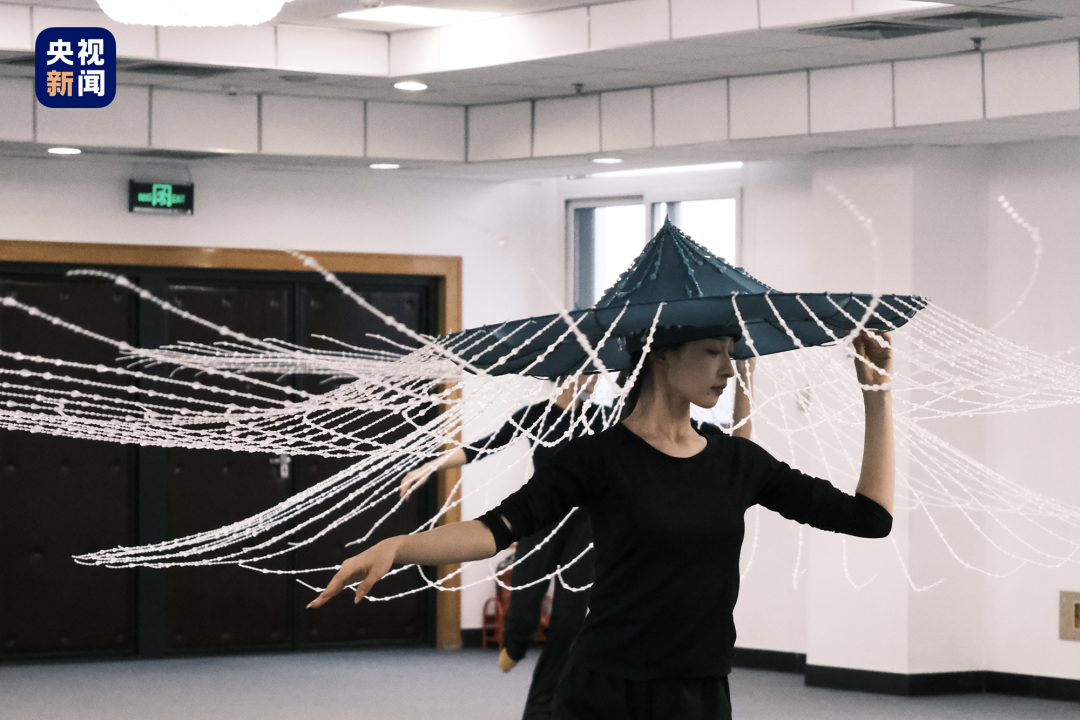
Core Viewpoint - The dance performance "Joyful Rain" at the Spring Festival Gala creatively interprets the essence of spring rain through choreography inspired by classical Chinese poetry, aiming to evoke a sense of beauty and tranquility in a fast-paced world [1][2]. Group 1: Creative Inspiration - The dance "Joyful Rain" is inspired by the Tang Dynasty poems "Spring Night Joyful Rain" by Du Fu and "Everyone Says Jiangnan is Good" by Wei Zhuang, aiming to express the vitality and poetic essence of spring rain through body language [2]. - The director emphasizes that the experience of listening to rain is not just sensory but also a poetic art form that carries deep emotional significance in Chinese culture, symbolizing hope for a bountiful harvest [2]. Group 2: Performance Challenges - The use of the unique props, such as the beaded hat, presents significant challenges for the dancers, who must adapt to the weight and manage the intricate movements required to portray the imagery of falling rain [2][3]. - Dancers have to achieve muscle memory for precise movements, as even slight misalignments can disrupt the overall performance, highlighting the need for meticulous coordination among the performers [5][7]. Group 3: Aesthetic Details - The performance incorporates various elements of traditional Chinese aesthetics, including distant mountains, eaves, and light boats, with music primarily featuring traditional instruments like the pipa and erhu to create a vivid spring scene [8]. - Costume design plays a crucial role, with outfits featuring sequins to mimic the glistening of raindrops and lightweight materials to enhance the fluidity of movement, reflecting the elegance of Jiangnan women [8].
被《喜雨》美到了!揭秘背后创作细节
Xin Lang Cai Jing· 2026-02-17 08:02
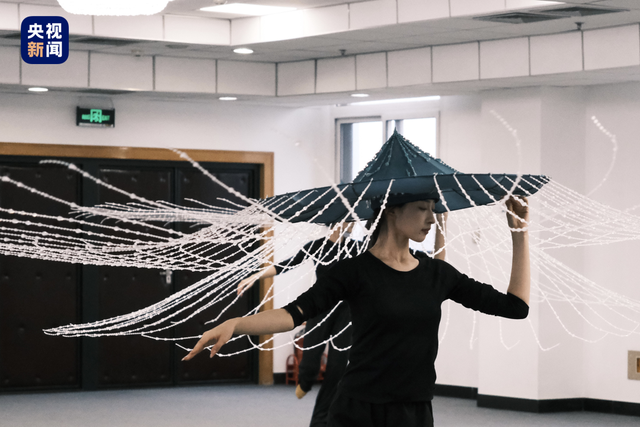
Core Viewpoint - The dance performance "Joyful Rain" at the Spring Festival Gala creatively interprets the essence of spring rain through choreography inspired by classical Chinese poetry, aiming to evoke a sense of beauty and tranquility in a fast-paced world [1][2]. Group 1: Creative Inspiration - The dance "Joyful Rain" is inspired by the Tang Dynasty poems "Spring Night Joyful Rain" by Du Fu and "Bodhisattva Man: Everyone Says Jiangnan is Good" by Wei Zhuang, aiming to express the vitality and poetic essence of spring rain through body language [2]. - The director emphasizes that the choice of "rain" symbolizes not only sensory experience but also a poetic lifestyle and emotional expression, reflecting the unique romanticism of Chinese culture [2]. Group 2: Performance Challenges - The use of the beaded hat as a prop posed significant challenges for the dancers, as each hat weighs nearly 5 kilograms and measures about 1.5 meters in length, requiring precise control during performances [3][4]. - Dancers had to adapt to the weight of the hats, which initially caused difficulties in maintaining proper posture and movement, necessitating extensive practice to achieve muscle memory [4][6]. Group 3: Aesthetic Details - The performance incorporates various elements of Chinese aesthetics, including distant mountains, eaves, and light boats, with music primarily featuring traditional instruments like the pipa and erhu to create a vivid spring scene [8]. - Costume design includes sequins to mimic the glistening effect of raindrops and lightweight materials to enhance the fluidity of movement, while accessories reflect the elegance of Jiangnan women, embodying subtlety and harmony with nature [8][10].
文博日历丨中式美学尽显!马年春晚里都有哪些文物彩蛋?
Xin Lang Cai Jing· 2026-02-17 03:53
Core Viewpoint - The Spring Festival Gala of the Year of the Horse prominently featured elements of traditional Chinese culture, showcasing various historical artifacts and artistic expressions that reflect the richness of Chinese heritage [1][2][4]. Group 1: Cultural Elements - The Twelve Flower Gods were presented, each representing a month and inspired by Qing Dynasty jade carvings, specifically the "Yueling" jade pendant set, which symbolizes the ancient wisdom of observing nature [1][2]. - The performance "Chasing Shadows" included dance elements that embodied the spirit of horses, highlighting the significance of equine symbolism in Chinese culture [2][3]. Group 2: Historical Artifacts - The gala featured notable artifacts related to horses, such as the "Bai Ti Wu," a famous warhorse from the Tang Dynasty, and the "Copper Galloping Horse," which has become a symbol of cultural diplomacy for China [2][3]. - The "Winged Horse" from Dunhuang murals was also highlighted, representing success and the ancient aspiration for freedom, further emphasizing the cultural significance of horses in Chinese art [3][4]. Group 3: Artistic Expressions - The performance included a watercolor dance that reflected the charm of Anhui's cultural heritage, showcasing the artistic legacy of the Xuan paper, known for its quality and longevity [4]. - The integration of modern and ancient artistic styles was evident in the works presented, illustrating the continuity of Chinese artistic traditions and their relevance in contemporary culture [4].
中式美学尽显!马年春晚里都有哪些文物彩蛋?
Xin Lang Cai Jing· 2026-02-17 03:51
Core Viewpoint - The Spring Festival Gala of the Year of the Horse prominently featured elements of traditional Chinese culture, showcasing various historical artifacts and artistic expressions that reflect the richness of Chinese heritage [2][10]. Group 1: Cultural Elements - The Twelve Flower Gods were presented, each representing a month and inspired by Qing Dynasty jade carvings, specifically the rotating jade pendants made from high-quality Hetian jade [2][4]. - Each flower petal of the jade pendants is unique, engraved with auspicious flowers corresponding to the respective month, such as plum blossoms for January and chrysanthemums for September [6][8]. Group 2: Historical Artifacts - The gala included references to three significant horse-related artifacts: the "White Hoof Wu," a warhorse from the Tang Dynasty, the "Winged Horse" from Dunhuang murals symbolizing success and freedom, and the "Bronze Galloping Horse," a cultural icon representing China internationally [10][12][16]. - The "Bronze Galloping Horse" has been a prominent symbol of cultural diplomacy, having been exhibited globally and attracting over 5 million visitors [16]. Group 3: Artistic Performances - The performance "Chasing Shadows" featured dancers embodying horses, blending grace and strength to depict the spirit of freedom and vitality associated with horses [10]. - The gala also included a watercolor dance reflecting the cultural essence of Anhui, showcasing the artistic heritage through the classic painting "Crossing the Bridge with a Cane" by renowned artist Cha Shibiao [18][21].
完整版!贺花神顶级中式浪漫:四季轮转,十二位表演者吟咏抒怀,诠释四季流转的时令智慧
Xin Lang Cai Jing· 2026-02-16 16:11
Group 1 - The article highlights the performance of twelve actors representing the twelve flower deities, showcasing traditional Chinese aesthetics and romantic themes during the 2026 CCTV Spring Festival Gala [1] - Each month is associated with a specific flower, reflecting the wisdom of seasonal changes: January with plum blossoms, February with apricot blossoms, March with peach blossoms, April with peonies, May with pomegranate flowers, June with lotus flowers, July with hollyhocks, August with osmanthus, September with chrysanthemums, October with hibiscus, November with camellias, and December with narcissus [1] - The event features prominent actors such as Ning Li, Hu Bing, Liu Jun, and others, emphasizing the cultural significance and artistic expression of the performance [1]
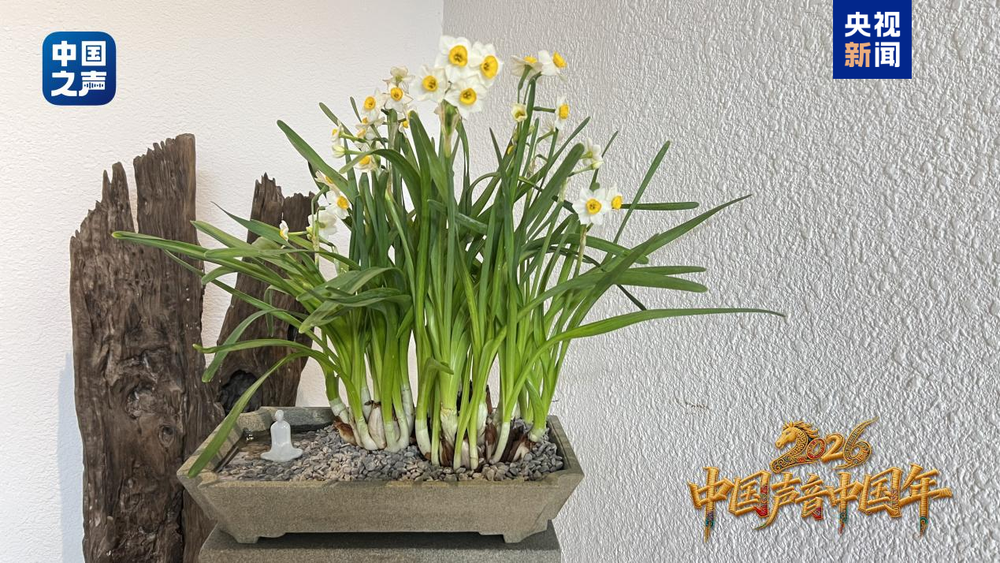
中国声音中国年丨漳州水仙把祝福玩出新“花”样
Yang Guang Wang· 2026-02-08 04:41
Core Viewpoint - The article highlights the cultural significance and popularity of the Narcissus flower in China, describing it as a "national flower" that has become an integral part of the Chinese New Year celebrations, symbolizing elegance and auspiciousness [6][19]. Group 1: Historical Context - The Narcissus flower originated from Southern Europe and the Mediterranean region, arriving in China via the Silk Road during the Tang Dynasty and gaining immense popularity in the Song Dynasty [3][6]. - The flower is poetically referred to as "the fairy on the waves," reflecting its esteemed status in Chinese culture [3]. Group 2: Cultural Significance - The Narcissus has evolved from being a foreign import to a symbol of Chinese New Year, with Fujian Zhangzhou being renowned for its high-quality Narcissus, earning the title "the best Narcissus comes from Zhangzhou" [6][19]. - The flower is associated with the New Year, representing a sense of renewal and hope, as it is expected to bloom precisely during the Spring Festival [8][9]. Group 3: Artistic Expression - The article discusses the craftsmanship involved in carving Narcissus bulbs, which transforms them into artistic pieces that embody cultural heritage, showcasing the blend of natural beauty and human artistry [11][15]. - Various forms of Narcissus-related art, such as flower lamps and accessories, illustrate its significance beyond mere decoration, becoming a symbol of Chinese aesthetics [17][19]. Group 4: Symbolism and Wishes - The Narcissus is not just a flower but a representation of cultural fusion and a romantic expression of traditional Chinese values, embodying the hope for a "clean and auspicious" new year [19][21]. - The article concludes with a wish for the new year to be as elegant and joyful as the Narcissus flower, reinforcing its symbolic meaning in Chinese culture [21].