中美光伏产业博弈

Search documents
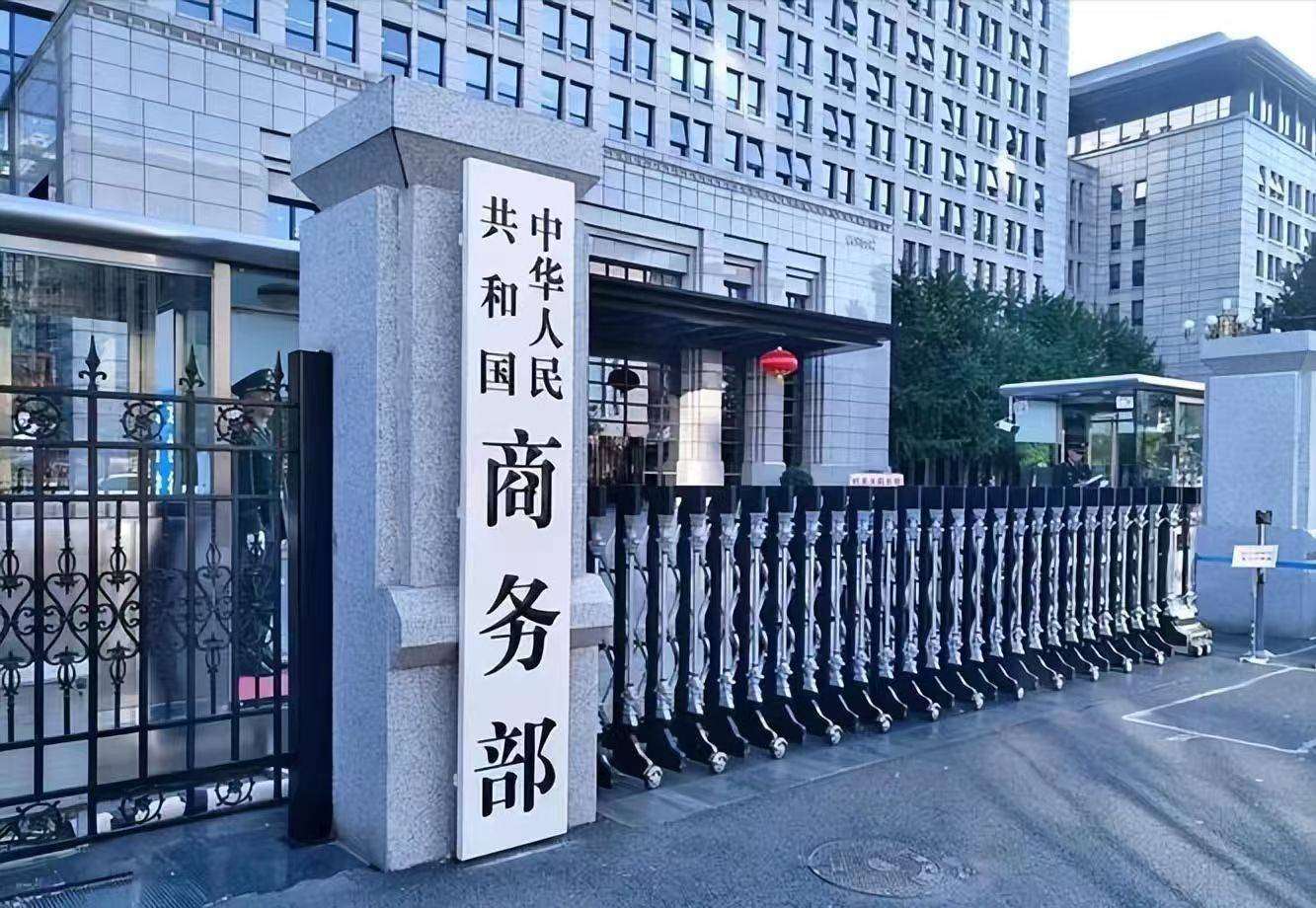
中方发布5号公告,特朗普如梦初醒,美国商品遭加税,实施期限5年
Sou Hu Cai Jing· 2026-01-17 08:41
Core Viewpoint - The recent imposition of a 25% additional tariff by the U.S. on countries doing business with Iran is seen as a strategic move aimed primarily at pressuring China within the context of U.S.-China geopolitical tensions [1][3]. Group 1: U.S. Tariff Policy - The U.S. tariff policy is perceived as a short-term tactic to gain negotiation leverage, particularly regarding geopolitical issues [3]. - This secondary sanction approach has been previously employed by the U.S. against countries like Russia and Venezuela to achieve political objectives through economic pressure [3]. Group 2: China's Response - China's announcement to continue anti-dumping duties on U.S. and South Korean solar-grade polysilicon is based on a long-standing compliance regulatory framework, reflecting a stable and legitimate trade policy [2][3]. - The anti-dumping measures are aimed at ensuring fair competition for domestic industries, showcasing China's commitment to maintaining a stable economic environment [2][6]. Group 3: Solar Industry Dynamics - Polysilicon is critical to the photovoltaic industry, and China has established a dominant position in this sector, controlling significant market shares in global production [4]. - By 2024, China is projected to hold 97% of the global market share in solar wafers, 87% in solar cells, and 78% in solar modules, indicating a complete dominance of the supply chain [4]. Group 4: Strategic Implications - The U.S. tariff threat not only impacts U.S.-China trade relations but also aims to reshape global supply chains, potentially harming U.S. consumers and businesses if they lose access to the Chinese market [6]. - China's anti-dumping measures signal a commitment to fair competition in the global solar industry, emphasizing the importance of compliance and regulatory frameworks in supporting industry growth [6]. Group 5: Future Outlook - The competition between the U.S. and China in the solar industry is expected to intensify, involving not just price competition but also technological advancements [6]. - For the U.S. to maintain its edge in high-end technology, substantial adjustments in policy support and innovation are necessary, while China must continue to enhance its core competencies in technology development and cost control [6].