中美汽车合作

Search documents
福特找中企谈合作,美国反华议员坐不住了:背弃美国,加深对华依赖
Guan Cha Zhe Wang· 2026-02-02 03:11
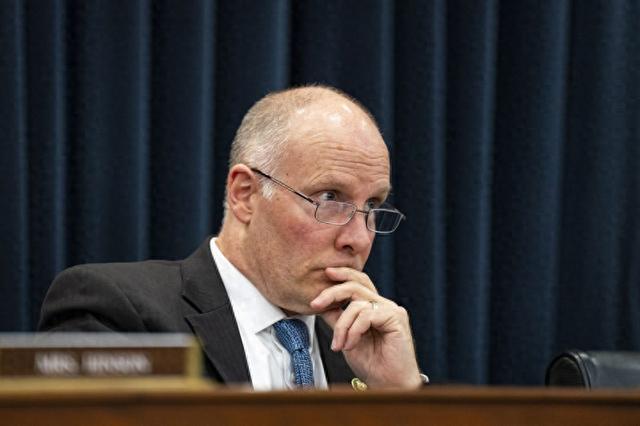
Core Viewpoint - The article discusses the challenges faced by Chinese electric vehicle manufacturers in entering the U.S. market, highlighting a potential collaboration between Ford and Xiaomi that could pave the way for Chinese companies, despite the ongoing political tensions and regulatory barriers [1][2]. Group 1: Collaboration and Negotiations - Ford is reportedly in preliminary discussions with Xiaomi about forming a joint venture to produce electric vehicles in the U.S. [1] - Ford has also engaged in talks with BYD and other Chinese automakers regarding potential collaborations in the U.S. market [1]. - Both Ford and Xiaomi have denied the reports of negotiations, with Xiaomi stating it currently does not sell products or services in the U.S. [1]. Group 2: Political Reactions - John Moolenaar, chairman of the U.S. House of Representatives' "China Committee," criticized Ford's potential collaboration, claiming it would increase U.S. reliance on China [2]. - Concerns have been raised about the implications of such partnerships on U.S. national security, with fears that it could lead to a "domino effect" where other U.S. automakers feel pressured to partner with Chinese firms [6]. Group 3: Market Dynamics and Competition - Jim Farley, CEO of Ford, has expressed admiration for Chinese electric vehicles, acknowledging the competitive threat they pose to Western manufacturers [4]. - The article notes that Chinese automakers like BYD have gained significant market share in Europe, Southeast Asia, and Latin America due to their pricing advantages and localized production [8]. - Geely has indicated its interest in entering the U.S. market, further intensifying the competition among automakers [9]. Group 4: Regulatory Environment - The U.S. government has imposed significant tariffs on Chinese electric vehicle imports, effectively barring them from the U.S. market [5]. - The Biden administration maintained these tariffs, which were originally set during Trump's presidency, alongside restrictions on Chinese software and hardware used in vehicles [5]. - The article mentions that the U.S. Department of Defense has placed Chinese battery manufacturer CATL on an "entity list," reflecting ongoing tensions [5].