主机大战

Search documents
《光环》上了 PS5,但其实主机大战早已结束
3 6 Ke· 2025-10-31 00:42
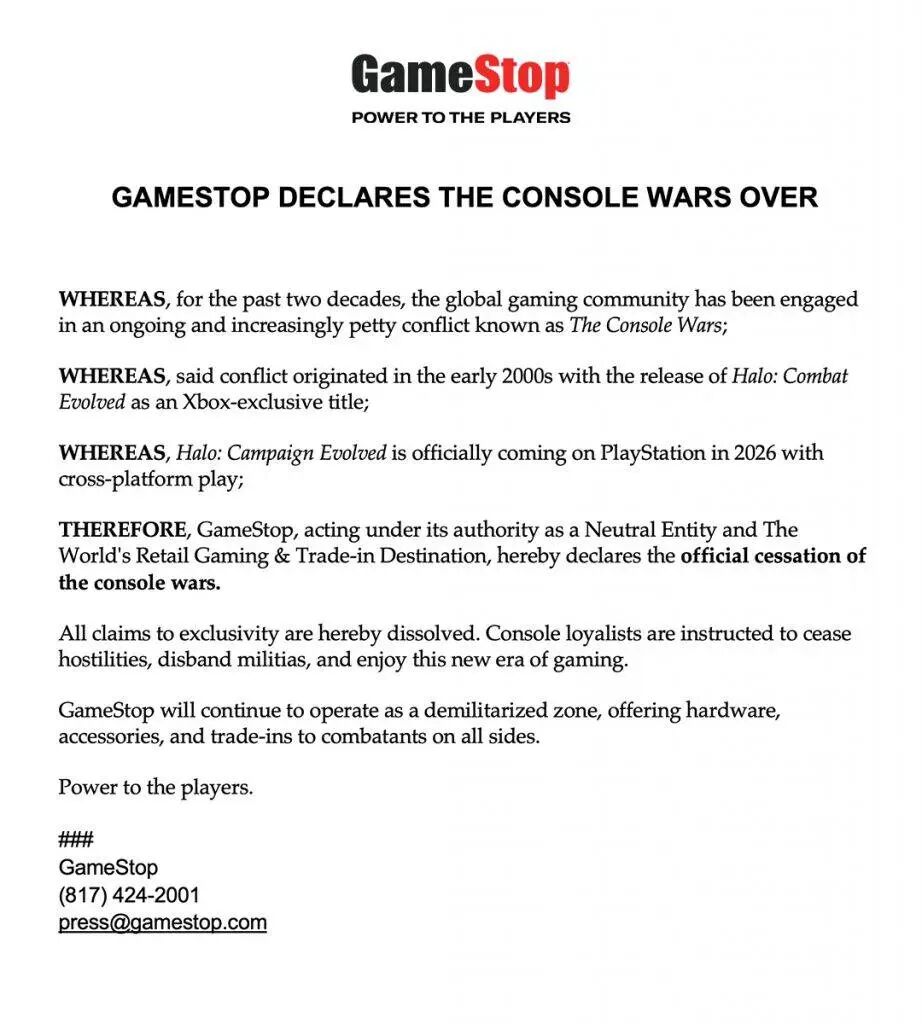
Core Viewpoint - The so-called "console war" has effectively ended, with major players like Sony and Microsoft shifting their focus from hardware competition to content and services, as evidenced by the upcoming release of Halo on PlayStation 5 [3][43]. Group 1: Sony's Strategy - Sony has moved away from the "console war" mentality, prioritizing game sales over hardware sales, and has begun releasing its exclusive titles on rival platforms like Windows and Nintendo Switch [4][6]. - The PlayStation 5 has sold over 80 million units globally, with its ecosystem generating more profit than all previous PlayStation consoles combined [8][10]. - Sony's business model focuses on selling hardware at a loss to attract players, who then purchase games, but faces challenges from the rise of mobile gaming and fragmented attention spans [10][15]. Group 2: Microsoft's Approach - Microsoft aims to make gaming more accessible, with CEO Satya Nadella stating that the competition is not with other games but with short videos [20]. - The Xbox division has been under pressure to achieve a 30% profit margin, leading to cost-cutting measures including layoffs and studio closures [22][23]. - Microsoft emphasizes its subscription service, Xbox Game Pass, as a flagship product, while also expanding its game library through acquisitions [24][26]. Group 3: Nintendo's Position - Nintendo continues to focus on exclusive titles, maintaining a strong ecosystem without engaging in the "console war" [33][35]. - The upcoming Switch 2 aims to support third-party games more robustly, with high-profile titles like Cyberpunk 2077 being featured [37]. - Nintendo is evolving into a broader entertainment company, producing movies and expanding its revenue streams beyond gaming [41]. Group 4: Industry Trends - The gaming industry is shifting towards a more fragmented entertainment landscape, with companies focusing on different aspects: Sony on content, Microsoft on services, and Nintendo on unique experiences [43]. - The rise of smartphones and short-form content is reshaping how consumers engage with entertainment, leading to a more competitive environment for traditional gaming platforms [15][43].