买方窗口期

Search documents
酒店资产,游走在“0元购”和“买方窗口期”之间
Xin Hua Cai Jing· 2026-01-07 12:12
Core Viewpoint - The acquisition of the Andaz Hotel in Shanghai by Beijing state-owned enterprise Jingtou Development through a "zero-cost purchase" reflects the changing dynamics of the Chinese hotel industry, highlighting the exit of foreign capital and the rise of domestic investors focusing on smaller, high-quality assets [1][7]. Group 1: Acquisition Details - The Andaz Hotel, which has changed ownership multiple times since its opening, was acquired by Jingtou Development in a deal that involved taking over 45% of the shares for zero cost and acquiring debt worth approximately 209 million yuan [2][3]. - Jingtou Development's acquisition strategy is characterized as a combination of "zero-cost equity, discounted debt, and interest-free loans," indicating a method of acquiring assets while assuming existing liabilities [3]. Group 2: Financial Performance - As of September 30, 2025, the Andaz Hotel's total assets were approximately 810 million yuan, with total liabilities reaching 2.528 billion yuan, resulting in a net asset value of -171.82 million yuan [6]. - The hotel's revenue for the first nine months of 2025 was approximately 127.21 million yuan, with a net loss of about 67.17 million yuan [4]. Group 3: Market Trends - The acquisition of the Andaz Hotel is indicative of a broader trend where foreign investors are exiting the hotel asset market, while domestic investors, particularly state-owned enterprises, are stepping in to stabilize the market [7][8]. - The focus of domestic investors has shifted towards stable returns rather than aggressive expansion, with a growing interest in smaller boutique hotels that offer better cash flow stability [8][9]. Group 4: Investment Opportunities - The trend towards "small and beautiful" hotel assets is gaining traction, with smaller transactions under 300 million yuan becoming the norm in the market, as these assets are perceived to have lower risk and higher liquidity [9][10]. - Investors are advised to target assets with unique competitive advantages, such as prime locations and strong brand influence, which can provide certainty in uncertain market conditions [10].


地产经纬丨酒店资产,游走在“0元购”和“买方窗口期”之间
Xin Hua Cai Jing· 2026-01-07 12:03
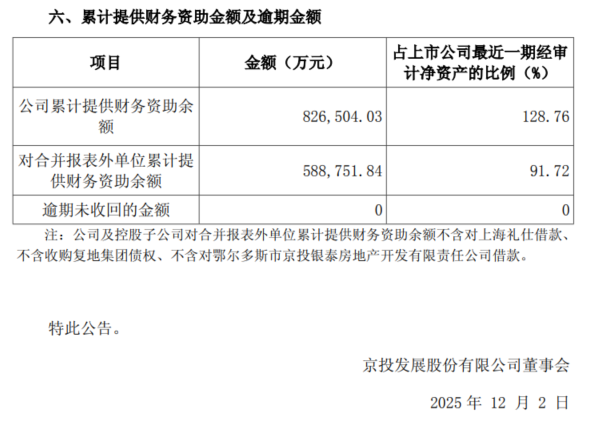
Core Viewpoint - The acquisition of the Andaz Hotel in Shanghai by Beijing state-owned enterprise Jingtou Development through a "0 yuan purchase" reflects a significant shift in the investment landscape of China's hotel industry, highlighting the exit of foreign capital and the rise of domestic investors focusing on smaller, high-quality assets [1][9]. Group 1: Acquisition Details - The Andaz Hotel, which has changed ownership multiple times since its opening, was initially developed under a plan by Chinese-American entrepreneur Liao Kaiyuan and later operated by Hyatt after being acquired by Hong Kong's Swire Properties [2][4]. - Jingtou Development acquired a 100% stake in Shanghai Lishi (the operating entity of the Andaz Hotel) through a combination of "0 yuan equity, discounted debt, and interest-free loans," effectively taking on the hotel's liabilities [4][10]. Group 2: Financial Situation - As of September 30, 2025, Shanghai Lishi reported total assets of 810 million yuan and total liabilities of 2.528 billion yuan, resulting in a net asset value of -171.82 million yuan, indicating severe financial distress [7][5]. - Jingtou Development has provided significant financial support to Shanghai Lishi, with cumulative financial assistance amounting to 826.50 million yuan, which is 128.76% of the company's latest audited net assets [5]. Group 3: Market Trends - The trend of foreign capital exiting the hotel asset market has been ongoing, with foreign hotel groups facing challenges such as slowing profit growth and increased competition in the high-end hotel sector [9][10]. - Domestic investors, particularly state-owned enterprises, are becoming the primary buyers in the hotel asset market, focusing on stable returns rather than aggressive expansion [10][11]. Group 4: Investment Preferences - The market is increasingly favoring "small and beautiful" hotel assets, which are typically boutique hotels with lower total prices, as they offer flexibility, lower investment costs, and quicker returns [11][12]. - Investors are advised to focus on assets with unique competitive advantages, such as prime locations and strong brand influence, to ensure value stability amid market uncertainties [12].