互联网战法

Search documents
从“大佬”到深陷收割争议 游资界顶流陈小群在A股的这三年
Xin Lang Cai Jing· 2026-02-05 01:21
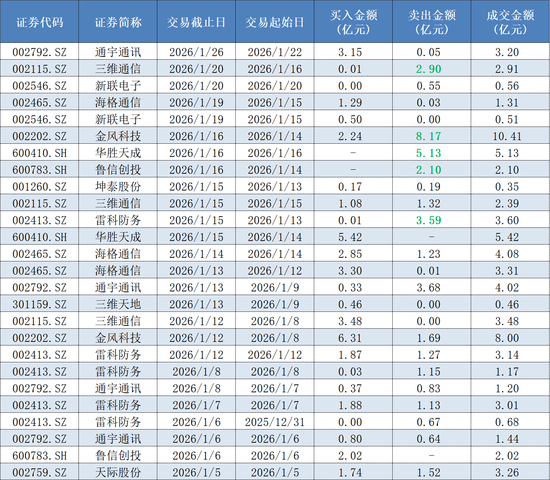
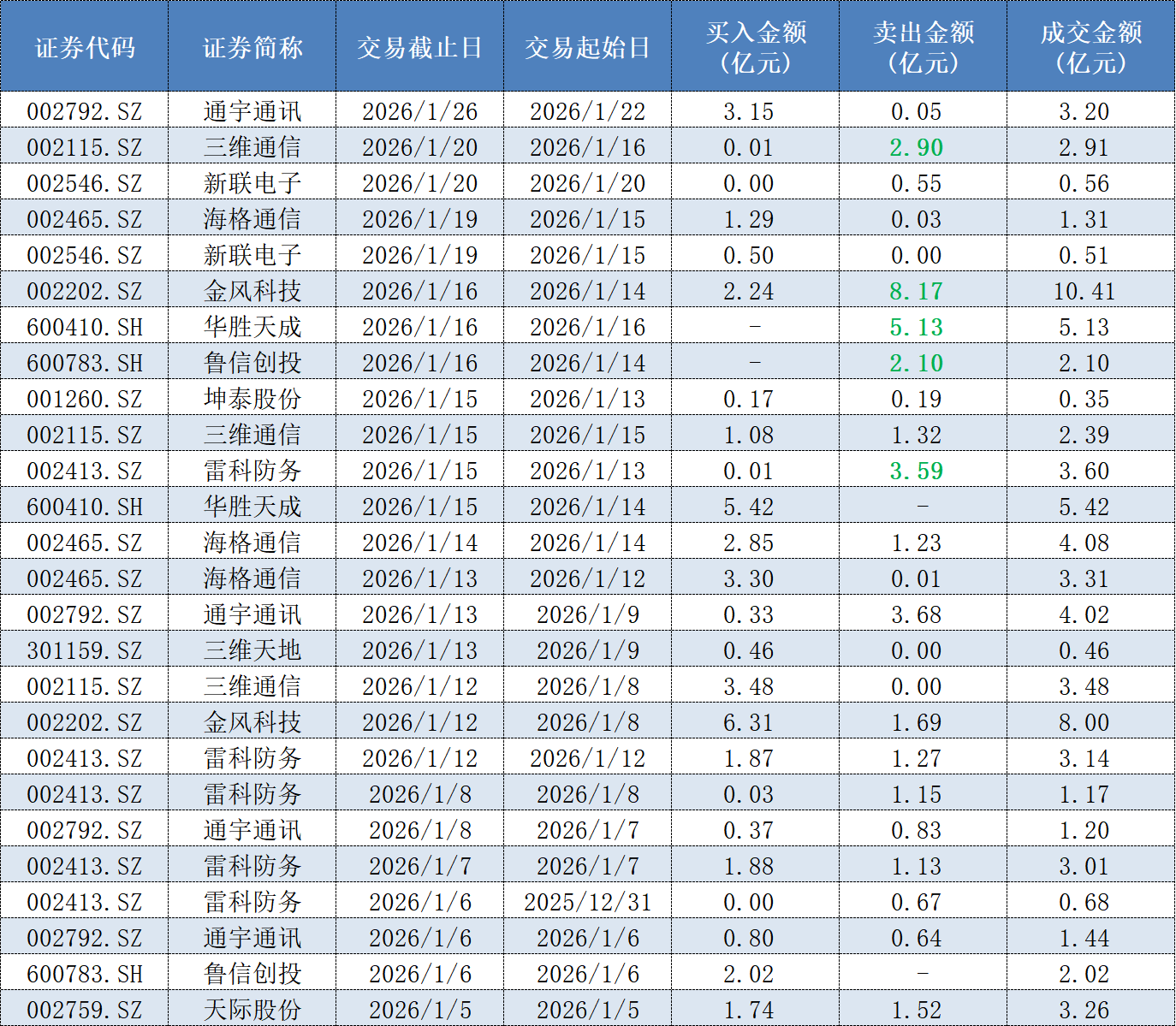
Core Viewpoint - The article discusses the downfall of prominent investor Chen Xiaoqun, who has faced increasing scrutiny and allegations of manipulating the market through "internet trading strategies" after a significant sell-off in mid-January 2026 [1][28]. Group 1: Chen Xiaoqun's Trading Activities - Chen Xiaoqun's trading seat at China Galaxy Securities in Dalian has been frequently involved in selling large amounts of popular stocks, including Jin Feng Technology and Hua Sheng Tian Cheng, leading to significant price drops [1][28]. - In January 2026, the Dalian Huanghe Road seat recorded a cumulative transaction amount of 77.18 billion yuan, with major stocks like Jin Feng Technology and Lei Ke Defense contributing significantly to this figure [44][17]. - The trading patterns of the Dalian Huanghe Road seat and Guotai Junan Securities in Chongqing have raised suspicions of coordinated actions to profit from retail investors [31][30]. Group 2: Market Reactions and Speculations - Following a wave of concentrated selling, many investors began questioning Chen Xiaoqun's credibility and the legitimacy of his trading strategies, leading to a surge in negative sentiment [1][28]. - The article highlights the emergence of various rumors regarding Chen Xiaoqun, including allegations of market manipulation and his response to these claims through social media [9][39]. - The trading activities of the Dalian Huanghe Road seat have been linked to a broader trend of "internet trading strategies," which are criticized for creating volatility and misleading retail investors [21][24]. Group 3: Historical Context and Performance - Chen Xiaoqun's rise to prominence is attributed to his association with the Dalian Huanghe Road seat, which has seen a dramatic increase in trading activity, surpassing previous years in both the number of stocks traded and total transaction amounts [43][16]. - In 2024, the Dalian Huanghe Road seat recorded a total transaction amount of 92.97 billion yuan, indicating a significant shift in trading dynamics within the market [43][16]. - The article notes that the Dalian Huanghe Road seat has become synonymous with Chen Xiaoqun, further amplifying his influence in the market [45][47].



从“大佬”到深陷收割争议,游资届顶流陈小群在A股的这三年
Xin Lang Cai Jing· 2026-02-05 00:05
Core Viewpoint - The reputation of prominent investor Chen Xiaoqun has collapsed amid allegations of market manipulation and aggressive selling tactics, particularly following a significant sell-off in mid-January 2026 that raised investor concerns about his trading practices [1][3]. Group 1: Allegations and Market Reactions - A wave of selling in mid-January 2026 was the direct trigger for the collapse of Chen Xiaoqun's reputation, leading to increased scrutiny from investors [1]. - Following the sell-off, many investors began questioning Chen Xiaoqun's identity and his role in the market, particularly regarding his trading strategies and the stocks he frequently traded [1]. - Stocks associated with Chen Xiaoqun, such as Jin Feng Technology and Hai Ge Communication, experienced significant price declines, resulting in substantial losses for investors who followed his trading patterns [3][4]. Group 2: Trading Data and Patterns - Data from Wind indicates that the trading seat of China Galaxy Securities in Dalian has been a consistent presence in the top trading lists for several popular stocks, with significant net selling amounts [1][3]. - In 2025, the trading seat of Guotai Junan Securities in Chongqing also became active, with a total trading amount of 6.51 billion yuan across 10 stocks, raising suspicions of coordinated trading strategies between the two seats [3]. - By January 28, 2026, the Dalian trading seat had accumulated a trading amount of 77.18 billion yuan, with Jin Feng Technology, Lei Ke Defense, and Hua Sheng Tian Cheng being the top traded stocks [15]. Group 3: Internet Trading Strategies - Chen Xiaoqun is viewed as a representative of the "Internet trading strategy," which combines online influence with stock trading to attract retail investors and drive stock prices up before selling at a profit [17][18]. - The rise of Chen Xiaoqun's influence is attributed to the combination of social media presence and trading data, which has created a perception of him as a leading figure in the market [16][19]. - The phenomenon of "Internet trading strategies" has raised concerns about market manipulation and the potential for significant losses among retail investors, prompting calls for regulatory scrutiny [18][20].
短视频“刷刷刷” 散户“冲冲冲” 机构投资对战互联网“吸睛大法”
Zhong Guo Zheng Quan Bao· 2026-02-01 23:16
Core Viewpoint - The rise of "Internet trading strategies" has led to significant speculation in the stock market, particularly among retail investors influenced by social media algorithms and prominent financial influencers [1][2][3] Group 1: Internet Trading Strategies - "Internet trading strategies" leverage the influence of individual accounts or matrix accounts to attract attention and create momentum for specific stocks [2] - The commercial aerospace sector has exemplified this mechanism, with significant trading activity observed in stocks like "航天发展" driven by retail investor interest and social media hype [2][3] - The phenomenon of "algorithmic recommendation" creates a feedback loop where stock prices rise in tandem with online popularity, leading to a cycle of speculation [3] Group 2: Regulatory Actions - Recent regulatory actions have targeted the operations of influencers like "金永荣," who engaged in illegal stock promotion and profited from subsequent sell-offs, resulting in penalties and market scrutiny [4] - Regulatory bodies are increasingly focused on curbing the influence of financial influencers and ensuring compliance within social media platforms to protect retail investors [9][10] Group 3: Institutional Investor Response - Institutional investors, particularly quantitative funds, are incorporating social media data into their investment strategies, often using it as a contrarian indicator rather than a signal to follow retail trends [5][6] - The reliance on traditional market data over social media sentiment reflects a cautious approach among institutional investors, who view retail-driven market movements as potentially misleading [6][8] Group 4: Market Dynamics and Investor Behavior - The rise of social trading has intensified the "herding effect" among retail investors, creating opportunities for professional investors to capitalize on mispriced assets resulting from collective retail actions [7][8] - The rapid fluctuations in market sentiment driven by social media can lead to significant price volatility, often disadvantaging retail investors who may not react as swiftly as institutional players [8] Group 5: Future Considerations for Professional Institutions - Professional institutions are encouraged to adapt their strategies to engage with retail investors more effectively, focusing on educational content and transparent communication to build trust [10] - The challenge remains for institutions to balance compliance with the need to provide relevant and timely investment advice in a rapidly changing market environment influenced by social media [10]
机构投资对战互联网“吸睛大法”
Zhong Guo Zheng Quan Bao· 2026-02-01 20:53
Core Viewpoint - The rise of "Internet trading strategies" has led to significant speculation in the stock market, particularly among retail investors, driven by social media influencers and algorithmic recommendations [1][2][3] Group 1: Internet Trading Strategies - The "Internet trading strategy" is characterized by leveraging personal accounts or matrix accounts to attract attention and create momentum for specific stocks [2] - Influencers like "Chen Xiaoqun" have gained notoriety for their dramatic wealth stories, amplifying their influence through social media platforms [1][3] - The commercial aerospace sector has exemplified this strategy, with significant trading activity observed in stocks like "航天发展" [2] Group 2: Regulatory Actions - Recent regulatory actions have targeted influencers and their trading practices, revealing the operational logic behind "Internet trading strategies" [4] - The Zhejiang Securities Regulatory Bureau has penalized individuals for promoting stocks while simultaneously selling them, highlighting the risks associated with influencer-driven trading [4] Group 3: Institutional Investor Response - Institutional investors, particularly quantitative funds, are incorporating social media data into their investment strategies, often using it as a contrarian indicator rather than a signal to follow [5][6] - Quantitative teams are exploring more stable social data, such as sales figures and social media sentiment, to gauge market conditions [6] Group 4: Market Dynamics and Risks - The phenomenon of "social trading" has intensified, with retail investors increasingly relying on influencers for investment decisions, leading to potential market volatility [7] - Algorithms on social media platforms can create echo chambers, limiting the diversity of information available to retail investors [8] Group 5: Professional Investor Strategies - Professional institutions are encouraged to shift from one-way communication to more interactive services, providing educational content that aligns with investor habits [9] - Building trust through transparency and genuine engagement is essential for professional institutions to compete with social media influencers [9]


“交易软件+券商”龙虎榜信息造神游资借“互联网战法”收割散户
Mei Ri Jing Ji Xin Wen· 2026-01-26 14:02
Core Viewpoint - The article discusses the phenomenon surrounding the mysterious figure "Chen Xiaoqun" in the A-share market, highlighting the role of third-party trading software and licensed brokerages in creating a "cult of personality" around this figure, which has led to significant market volatility and speculative trading behavior [1][3][4]. Group 1: Market Dynamics - The commercial aerospace sector experienced significant fluctuations in January 2026, with "Chen Xiaoqun" emerging as a focal point for speculative trading [5][6]. - The trading seat associated with "Chen Xiaoqun," specifically the Dalian Huanghe Road branch of China Galaxy Securities, recorded a net purchase of 3.79 billion yuan, making it the top buyer on the trading leaderboard [5][6]. - Following the identification of "Chen Xiaoqun" as a top trader, stocks associated with this figure saw an average increase of over 4% the day after being listed on the leaderboard [5]. Group 2: Role of Third-Party Platforms - Major financial platforms like Tonghuashun, Dongfang Caifu, and Wind have labeled the trading seat of "Chen Xiaoqun," facilitating a blind following among retail investors [3][10][12]. - These platforms provide detailed statistics on "Chen Xiaoqun's" trading activities, including changes in holdings and transaction amounts, which further encourages speculative behavior among investors [8][10]. - The labeling of "Chen Xiaoqun" by various brokerages has been found to significantly amplify the "herding effect" in the market, leading to abnormal price movements [12][32]. Group 3: Speculative Trading Strategies - The trading strategy associated with "Chen Xiaoqun" is characterized by short-term trading focused on hot topics, with a holding period typically lasting only a few days [18][19]. - The Dalian Huanghe Road branch has been noted for its frequent appearances on the leaderboard, with 30 buy transactions covering various sectors, indicating a strategy of rapid entry and exit to capitalize on market trends [18][19]. - There are concerns that the trading patterns of "Chen Xiaoqun" may involve coordinated efforts among multiple traders to manipulate stock prices, raising questions about the integrity of the market [22][24]. Group 4: Regulatory and Ethical Concerns - The article raises significant concerns about the ethical implications of labeling trading seats and the potential for misleading information to influence retail investors [31][32]. - Legal experts warn that the practices surrounding "Chen Xiaoqun" could violate securities laws regarding the dissemination of false or misleading information [31][32]. - The current situation highlights a regulatory blind spot in the information dissemination process, suggesting a need for stricter oversight of how trading data is presented to the public [32][34].

“陈小群”概念股炒作利益链调查:东方财富、通达信、开盘啦等主流第三方App同样存在此类标签化操作
Xin Lang Cai Jing· 2026-01-26 09:12
Core Viewpoint - The article investigates the phenomenon surrounding the mysterious figure "Chen Xiaoqun," highlighting how third-party trading software and licensed brokerages have contributed to the creation of a "cult of personality" around this figure, leading to speculative trading behaviors among retail investors [3][4]. Group 1: Market Dynamics - The commercial aerospace sector has experienced significant volatility, with "Chen Xiaoqun" emerging as a focal point in speculative trading activities [3]. - The trading seat associated with "Chen Xiaoqun" at China Galaxy Securities' Dalian Huanghe Road branch has seen substantial net buying, with a reported net purchase of 3.79 billion yuan for Jin Feng Technology, leading to a notable increase in stock prices [6][23]. - Following the identification of "Chen Xiaoqun" on the trading leaderboard, stocks associated with this figure have averaged a price increase of over 4% the following day, with some stocks even hitting the daily limit [6][23]. Group 2: Role of Third-Party Software - Major financial data platforms like Tonghuashun, Dongfang Caifu, and Wind have algorithmically linked "Chen Xiaoqun" to specific trading seats, facilitating retail investors' speculative behaviors [3][10]. - The presence of "Chen Xiaoqun" on trading leaderboards has been utilized by various brokerage apps, which have labeled specific trading seats and stocks with his name, thereby influencing market dynamics and retail investor behavior [21][23]. - The article notes that 19 brokerage apps have implemented similar labeling practices, with over 10 explicitly marking "Chen Xiaoqun" as a top trader, further amplifying the speculative trading environment [23]. Group 3: Investor Behavior and Sentiment - Retail investors have increasingly shifted their focus from traditional financial analysis to tracking the movements of "Chen Xiaoqun," reflecting a growing trend of following popular figures in trading rather than relying on fundamental analysis [9][10]. - Social media platforms are rife with unverified claims and extravagant displays of wealth attributed to "Chen Xiaoqun," contributing to the mythos surrounding this figure and encouraging speculative trading among followers [7][9]. - The phenomenon has raised concerns about the integrity of information disclosure in the securities market, as the unverified status of "Chen Xiaoqun" raises questions about the legitimacy of the trading strategies being promoted [4][5].



每经调查“陈小群”概念股炒作利益链:“交易软件+券商”龙虎榜信息造神,游资借“互联网战法”收割散户
Mei Ri Jing Ji Xin Wen· 2026-01-26 00:55
Core Viewpoint - The phenomenon surrounding "Chen Xiaoqun" in the A-share market highlights a complex interplay of speculation, social media influence, and the role of third-party trading software in shaping investor behavior and market dynamics [1][2][3]. Group 1: Market Dynamics and Speculation - The "Chen Xiaoqun" narrative has been amplified by major trading platforms like Tonghuashun, Dongfang Caifu, and Wind, which have labeled the China Galaxy Securities Dalian Huanghe Road branch as a "top-tier speculator" [1][9][15]. - The average stock price increase for stocks associated with the "Chen Xiaoqun" seat was over 4% the day after it appeared on the leaderboard, with some stocks even hitting the daily limit [3][24]. - The trading behavior of the "Chen Xiaoqun" seat has led to significant volatility, as seen with stocks like Lei Ke Defense, which experienced a three-day decline after heavy buying [3][24]. Group 2: Role of Third-Party Software - Third-party applications have played a crucial role in creating a "follow the leader" environment for retail investors, making it easier for them to track and mimic the trading activities of the "Chen Xiaoqun" seat [8][22][23]. - A total of 19 brokerage apps have implemented tagging for the "Chen Xiaoqun" seat, with over 10 explicitly marking it, which has further fueled speculative trading [24][33]. - The algorithms used by these platforms have been criticized for potentially misleading investors by presenting unverified information as credible, thus raising questions about the integrity of market information [1][23][34]. Group 3: Investor Behavior and Social Media Influence - Social media platforms have seen a surge in content promoting the "Chen Xiaoqun" narrative, with slogans like "Follow Chen Xiaoqun to buy, villas by the sea" becoming popular among retail investors [3][4]. - The allure of the "Chen Xiaoqun" persona has led some investors to prioritize tracking this figure over traditional financial analysis, indicating a shift in investment strategies [8][35]. - Various investment advisors have also capitalized on the "Chen Xiaoqun" trend, using it to attract attention to their paid services, further intertwining speculation with marketing strategies [35][36][38].
“陈小群”概念股利益链调查:龙虎榜信息造神,游资收割散户
Mei Ri Jing Ji Xin Wen· 2026-01-25 22:42
Core Viewpoint - The article discusses the phenomenon surrounding the mysterious figure "Chen Xiaoqun" in the A-share market, highlighting the role of third-party trading software and licensed brokers in creating a "cult of personality" around this figure, which has led to significant market volatility and speculative trading behavior [2][6][8]. Group 1: Market Dynamics - The commercial aerospace sector experienced significant fluctuations in January 2026, with stocks like Jin Feng Technology seeing a surge in trading activity attributed to the "Chen Xiaoqun" trading seat, which recorded a net purchase of 379 million yuan [6][24]. - The "Chen Xiaoqun" seat has been linked to a notable increase in stock prices, with an average rise of over 4% the day after it appears on the leaderboard, leading to a frenzy among retail investors [6][24]. - The trading strategy associated with the "Chen Xiaoqun" seat is characterized by short-term trading on hot topics, with a holding period typically lasting only a few days, which aligns with the rapid dissemination of information through social media [22][24]. Group 2: Role of Third-Party Software - Major third-party platforms like Tonghuashun, Dongfang Caifu, and Wind have played a crucial role in tagging the "Chen Xiaoqun" seat, providing retail investors with a pathway to follow its trading activities [9][10][13]. - These platforms have created a feedback loop where the visibility of the "Chen Xiaoqun" seat on trading leaderboards encourages more investors to follow suit, thereby amplifying market movements [9][22]. - The tagging of the "Chen Xiaoqun" seat by various brokerage apps has been found to be widespread, with over 10 licensed institutions participating in this practice, further enhancing the speculative nature of trading around this figure [13][14]. Group 3: Speculative Behavior and Risks - The article highlights concerns regarding the potential manipulation of retail investors through the "Chen Xiaoqun" phenomenon, where large investors may use the leaderboard to attract smaller investors and subsequently sell off their positions [3][25]. - There are indications that the "Chen Xiaoqun" identity may be a facade, with speculation that it could represent a group of traders rather than an individual, raising questions about the integrity of the trading practices associated with this name [7][25]. - The volatility surrounding stocks linked to the "Chen Xiaoqun" seat has led to significant price corrections shortly after peaks, indicating a pattern of "quick in and out" trading that could mislead retail investors [24][27].
“陈小群”概念股炒作利益链调查:“交易软件+券商”龙虎榜信息造神,游资借“互联网战法”收割散户
Mei Ri Jing Ji Xin Wen· 2026-01-25 14:33
Core Viewpoint - The article discusses the phenomenon surrounding the mysterious figure "Chen Xiaoqun" in the A-share market, highlighting the role of third-party trading software and licensed brokerages in creating a "cult of personality" around this figure, which has led to significant market movements and speculative trading behavior among retail investors [3][4][5]. Group 1: Market Dynamics - The commercial aerospace sector has experienced significant volatility, with "Chen Xiaoqun" emerging as a focal point for speculative trading, particularly through the China Galaxy Securities Dalian Huanghe Road branch, which has been identified as a key trading seat for this figure [3][5]. - The "Chen Xiaoqun" label has been applied to various stocks, leading to a blind following among retail investors, driven by the perception of this figure as a top-tier speculator [4][5]. - Recent statistics indicate that stocks associated with the "Chen Xiaoqun" seat have seen an average increase of over 4% the day after being listed on the trading board, with some stocks even hitting the daily limit up [5][6]. Group 2: Role of Third-Party Software - Major financial platforms such as Tonghuashun, Dongfang Caifu, and Wind have played a crucial role in establishing the "Chen Xiaoqun" identity by directly linking it to specific trading seats, thereby influencing retail investor behavior [4][10][17]. - The algorithms used by these platforms have facilitated the tracking of "Chen Xiaoqun's" trading activities, creating a pathway for investors to follow and potentially manipulate stock prices based on perceived trends [10][27]. - The labeling of trading seats as "Chen Xiaoqun" by over ten licensed brokerages has further amplified the phenomenon, with many platforms adopting similar data presentation styles that encourage speculative trading [27][28]. Group 3: Speculative Trading Behavior - The article highlights a pattern where large investors may use the trading board mechanism to attract retail investors, a strategy that has been prevalent in the A-share market for years [5][6]. - The recent surge in interest around "Chen Xiaoqun" has led to a significant increase in social media discussions, with many retail investors expressing a preference for following this figure over traditional financial analysis [6][10]. - The volatility of stocks associated with "Chen Xiaoqun" has resulted in stark contrasts between buying and selling pressures, illustrating the impact of speculative trading on market stability [6][10].