
互联网打卡文化

Search documents
不去5A景区的年轻人,爱上进山打卡
创业邦· 2025-10-09 00:09
Core Viewpoint - The article discusses the rising trend of hiking among young people in China, highlighting the shift from traditional tourist spots to lesser-known hiking destinations, driven by a desire for unique experiences and social media validation [5][8][20]. Group 1: Hiking Trend and Popularity - Young people are increasingly favoring hiking as a way to escape crowded tourist attractions, with locations like Daqingshan and Matianling becoming popular hiking spots [7][9]. - The growth of hiking activities is attributed to the influence of social media, where young hikers seek to document their experiences and share them online [12][19]. - The number of hiking clubs in Beijing has surged, with estimates suggesting over 500 clubs, reflecting the growing demand for organized hiking activities [15][19]. Group 2: Business Model of Hiking Clubs - Hiking clubs can be categorized into two types: AA groups, which are self-organized and share costs, and commercial groups, which are profit-driven and provide professional services [15][19]. - The transition from informal AA groups to commercial entities has been driven by the need for safety and organization, especially after incidents that highlighted the risks involved in hiking [16][20]. - Many commercial hiking groups face challenges in profitability due to low operational barriers and intense competition, leading to a market where some players prioritize price over quality [19][20]. Group 3: Safety and Risk Management - Safety remains a significant concern for hiking clubs, with risks stemming from unpredictable weather and the inherent dangers of outdoor activities [23][24]. - Established clubs like Beitu prioritize safety by training their leaders and providing insurance, while many smaller groups lack adequate safety measures [24][25]. - The article emphasizes the importance of risk awareness among participants, as many newcomers underestimate the challenges of hiking [25][30]. Group 4: Environmental Concerns and Community Engagement - The increase in hiking activities has led to environmental issues, such as littering in natural areas, prompting some clubs to engage in cleanup efforts [30][31]. - There is a call for hikers to adopt a responsible attitude towards nature, emphasizing the need for environmental consciousness alongside adventure [30][31].

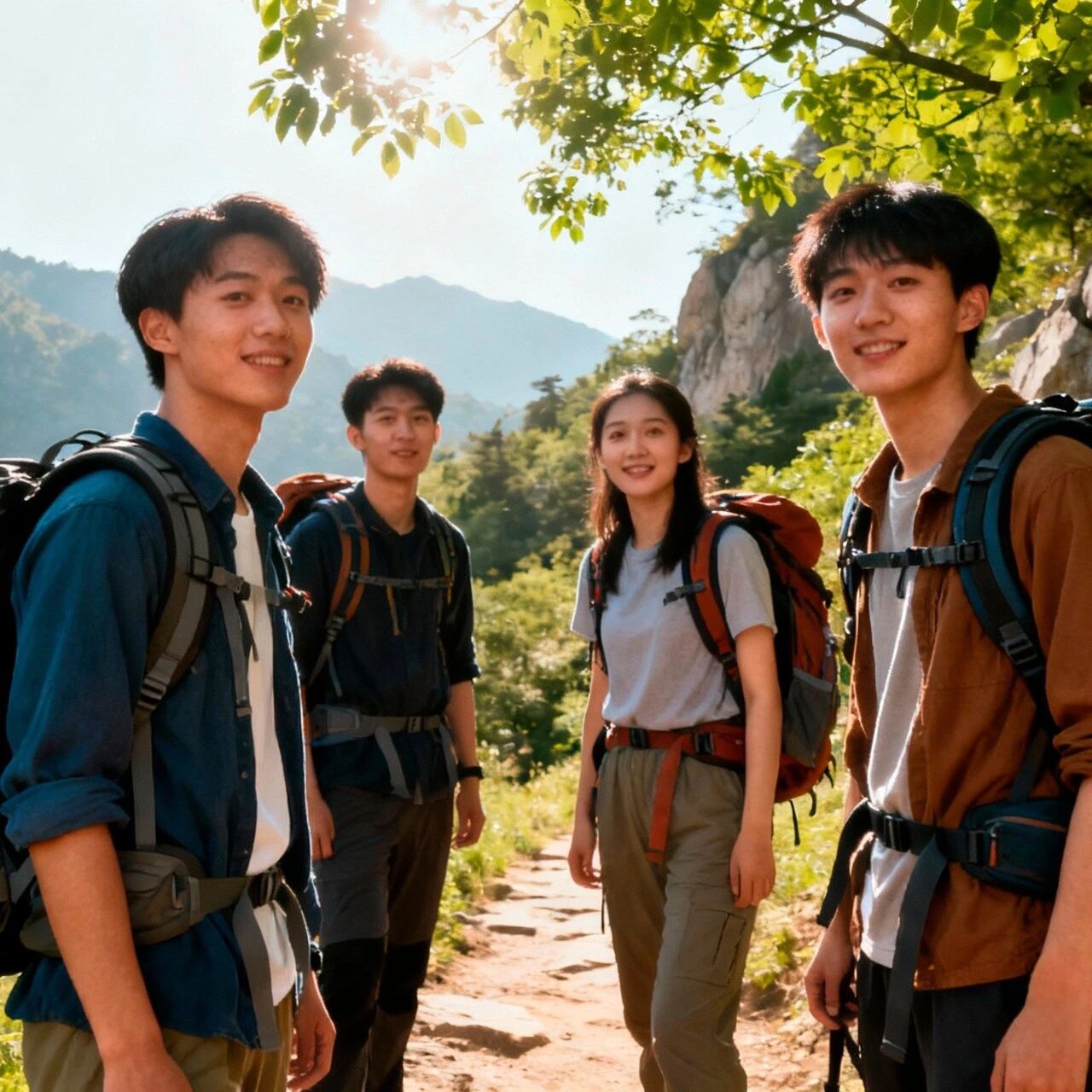
不去5A景区的年轻人,爱上进山打卡
Hu Xiu· 2025-10-06 10:31
Core Insights - The article highlights the growing trend of young people engaging in hiking and outdoor activities, particularly during holidays, as a means to escape urban life and connect with nature [1][2][3] Group 1: Hiking Popularity - The popularity of hiking has surged, with locations like Daqingshan and Matianling becoming hotspots for young adventurers seeking unique experiences away from crowded tourist spots [1][2][4] - The increase in participation is evident, as hiking groups have expanded significantly, with one group growing from 40 to nearly 100 participants [5][6] - The rise of social media and internet culture has played a crucial role in promoting hiking as a popular activity, with many young people motivated by the desire to document their experiences [10][8] Group 2: Market Dynamics - The hiking market has seen a proliferation of clubs and groups, with estimates suggesting over 500 hiking clubs in Beijing alone [15] - Hiking groups can be categorized into two types: AA groups, which are self-organized and cost-sharing, and commercial groups, which are profit-driven and offer professional services [16][18] - The transition from informal AA groups to structured commercial entities has been driven by the need for safety and organization, especially after incidents highlighting the risks involved in hiking [20][22] Group 3: Challenges and Risks - Despite the booming interest, the hiking business faces challenges, including low profit margins and high operational costs, leading many clubs to struggle financially [27][25] - Weather conditions pose a significant risk, as unpredictable weather can lead to cancellations and financial losses for hiking groups [28] - Safety concerns are paramount, with incidents of accidents and injuries occurring frequently, emphasizing the need for proper training and risk management among group leaders [30][32] Group 4: Participant Demographics - The majority of hikers are young office workers, with a significant portion being millennials and Gen Z, who are often motivated by social media trends [10][11] - Many participants are inexperienced and may not fully understand the risks associated with hiking, leading to potential safety issues [32][34] - The desire for unique experiences and social interaction drives many to participate in hiking, even if they are not seasoned outdoor enthusiasts [12][41]