五官经济

Search documents
从老厂房到会客厅:工业记忆“燃”起市井烟火
Xin Lang Cai Jing· 2026-01-25 21:22
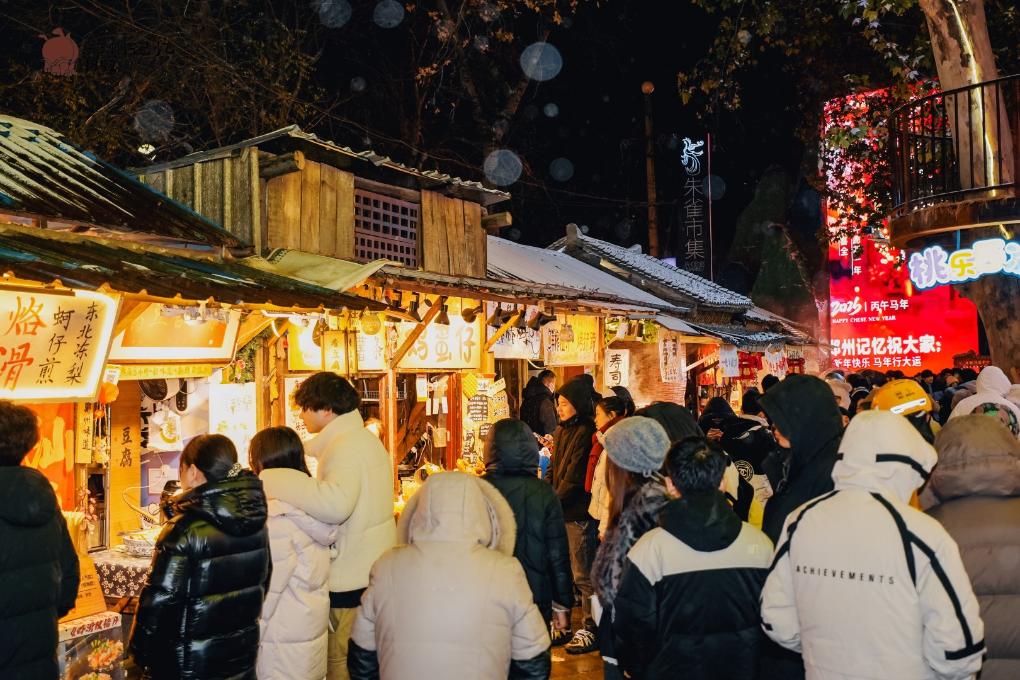
Core Insights - The transformation of the Zhengzhou Oil Chemical Plant into a cultural landmark reflects a successful blend of historical memory and modern consumption, attracting over 30,000 daily visitors [1] - The park has become a key destination for young people, featuring over 230 shops and numerous market stalls, focusing on a diverse range of experiences [2] - The development of cultural and creative parks in Zhengzhou is part of a broader strategy to enhance the city's cultural tourism and economic vitality [2][3] Group 1 - The Zhengzhou Oil Chemical Plant, established in 1952, was once the largest detergent production base in Henan and has now been repurposed into a national-level tourism and leisure area [1] - The park's renovation involved government guidance and market operations, leading to a significant increase in visitor numbers and economic activity, with over 110 million yuan in revenue during the 2026 New Year holiday [2] - The integration of historical industrial sites into the cultural landscape serves as a unique resource for tourism and economic development, enhancing the city's appeal to younger demographics [2][3] Group 2 - The park's offerings include cultural creativity, technological innovation, entertainment, and immersive experiences, promoting a "five senses" economy [2] - The revitalization of industrial heritage not only preserves historical memory but also creates new cultural symbols and leisure spaces for urban residents [3] - The successful transformation of old factories into cultural hubs demonstrates the potential for cities to leverage their historical assets for future growth and cultural confidence [3]
从老厂房到会客厅 工业记忆“燃”起市井烟火
Xin Hua She· 2026-01-22 14:35
Core Viewpoint - The transformation of the Zhengzhou Oil Chemical Plant into a cultural and creative park has successfully merged historical memory with modern consumption, attracting a significant number of visitors and revitalizing the local economy [1][2]. Group 1: Historical Background and Transformation - The Zhengzhou Oil Chemical Plant, established in 1952, was once the largest detergent production base in Henan and a key project aided by the Soviet Union in early New China [1]. - After ceasing operations in 2006, the plant area became an "idle space" until its redevelopment began in 2019, leading to its current status as a national-level tourism and leisure district [1]. - The park now attracts over 30,000 visitors daily, showcasing a successful revitalization of industrial heritage into a vibrant cultural space [1]. Group 2: Economic Impact and Visitor Engagement - The creative park has over 230 shops and numerous market stalls, focusing on a diverse range of experiences including cultural creativity, technology innovation, and immersive performances, contributing to a "five-senses economy" [2]. - During the 2026 New Year holiday, the area attracted over 250,000 visitors and generated revenue exceeding 11 million yuan [2]. - The development of cultural and creative parks is part of Zhengzhou's strategy to enhance its appeal to younger demographics and create new consumption scenarios [2]. Group 3: Cultural Significance and Future Outlook - The industrial remnants serve as a vital link between the past and future, representing a unique cultural tourism resource [2]. - The transformation of old factories into cultural landmarks not only enhances the city's cultural identity but also creates new leisure and entertainment spaces [3]. - The revival of industrial memory fosters cultural confidence and development momentum for the city, blending humanistic and economic growth [3].
人文经济激活消费新动能丨从老厂房到会客厅:工业记忆“燃”起市井烟火
Xin Hua Wang· 2026-01-21 12:44
Core Viewpoint - The transformation of the Zhengzhou Oil Chemical Plant into a cultural and tourism hub highlights the integration of historical memory with modern consumption, attracting a significant number of visitors and revitalizing the urban landscape [1][3]. Group 1: Historical Background - The Zhengzhou Oil Chemical Plant, established in 1952, was once the largest detergent production base in Henan and a key project aided by the Soviet Union during the early years of New China [1]. - After ceasing operations in 2006, the plant became an underutilized space until its redevelopment began in 2019, leading to its current status as a national-level tourism and leisure district [1]. Group 2: Visitor Engagement and Economic Impact - The creative park now attracts over 30,000 visitors daily, with significant events like the New Year celebration drawing more than 250,000 visitors and generating over 11 million yuan in revenue during peak periods [5]. - The park features over 230 shops and numerous market stalls, focusing on a diverse range of experiences that engage all five senses, contributing to its popularity among younger demographics [5][6]. Group 3: Cultural Significance and Future Development - The transformation of industrial relics into cultural landmarks not only enhances the city's cultural identity but also creates new consumer experiences and leisure spaces [8]. - The integration of historical and cultural resources into urban development strategies reflects a commitment to fostering cultural confidence and economic vitality in the city [8].