
文玩葫芦

Search documents
“Z世代”这样过年
Xin Lang Cai Jing· 2026-02-10 21:07
Group 1 - The core viewpoint of the article highlights how the "Z Generation" is revitalizing traditional Chinese New Year customs with innovative practices and emotional consumption [3][4][6] - Young consumers are shifting from materialistic purchases to items that carry emotional value, as seen in the popularity of unique products like the "crying horse" doll, which saw over 20,000 sales within 48 hours [4] - The trend of "customizing" reunion experiences is emerging, with many young people opting for alternative ways to celebrate the New Year, such as traveling or spending time with friends instead of returning home [6] Group 2 - The article discusses the integration of technology and culture in New Year celebrations, with events like VR interactive experiences and cultural festivals attracting young audiences [7][8] - Various regions are hosting cultural activities to engage younger consumers, such as the Sichuan International Dinosaur Lantern Festival and Fuzhou's intangible cultural heritage events [7] - The presence of young professionals in various roles, from engineers ensuring the smooth operation of tech elements at events to entrepreneurs in the new consumption sector, showcases the dynamic spirit of youth during the holiday season [8]


马年“新姿势”——“Z世代”这样过年
Xin Lang Cai Jing· 2026-02-10 20:03
Core Insights - The article highlights the evolving ways in which Generation Z is celebrating the Chinese New Year, incorporating modern practices and social interactions into traditional customs [1][2][3][5][6] Group 1: New Traditions and Social Interactions - Generation Z is redefining the concept of reunion during the Spring Festival, opting for diverse activities such as traveling with friends and engaging in social media to find companions for celebrations [2][3] - The trend of "reverse Spring Festival travel" is gaining popularity, with young people booking flights from smaller airports to major cities for family reunions, indicating a shift in travel patterns [2] - Social media platforms are filled with posts from young individuals seeking "partners" to celebrate the New Year together, showcasing a desire for shared experiences [2] Group 2: Changing Consumer Behavior - Young consumers are shifting from traditional material purchases to emotionally-driven buying, as seen in the popularity of unique items like the "crying horse" plush toy, which emphasizes emotional resonance over perfection [3] - The rise of new year goods reflects a trend towards emotional consumption, with young people favoring products that express individuality and personal connection [3] Group 3: Cultural Integration and Technological Innovation - The integration of technology and traditional culture is becoming a hallmark of the Spring Festival, with events like VR interactive experiences and AI projects attracting younger audiences [5][6] - Various cultural activities and markets are being organized across the country, blending modern aesthetics with traditional elements to appeal to the youth [5][6] - Young entrepreneurs and cultural promoters are actively participating in these new trends, contributing to a vibrant and innovative celebration of the New Year [6]
马年“新姿势”
Xin Lang Cai Jing· 2026-02-10 16:59
Group 1 - The core viewpoint of the article highlights how the "Z Generation" is redefining traditional Chinese New Year customs through innovative practices and diverse social interactions [1][2][3] - Young people are increasingly opting for personalized celebrations, such as spending the holiday with friends or traveling, rather than returning home [2][3] - The trend of "reverse Spring Festival travel" is gaining popularity, with significant increases in ticket bookings from smaller airports to major cities [2] Group 2 - The consumption of New Year goods is shifting from material accumulation to emotional value, with young consumers favoring items that resonate personally rather than traditional gifts [3] - Unique products like the "crying horse" doll have gained immense popularity, indicating a strong preference for emotional expression among young buyers [3] - Social media platforms are filled with "00s" sharing their creative New Year meal recipes, reflecting a trend towards convenience and modern cooking methods [4] Group 3 - The integration of technology and traditional culture is becoming a popular choice for young people, with events like VR interactive experiences being sought after [5][6] - Cultural activities are on the rise, with various regions hosting events that blend technology and heritage, attracting younger audiences [6] - Young entrepreneurs and creators are actively participating in cultural markets, showcasing a blend of creativity and technology that resonates with the youth [6]
代表委员回来了丨使命在肩 躬身力行
He Nan Ri Bao· 2026-01-31 23:37
Group 1 - The core theme of the recent provincial two sessions emphasizes the importance of integrity in governance and community relations, highlighting it as a key to effective grassroots management [3][4]. - The provincial strategic emerging industries account for over 25% of the industrial added value, with seven major industrial clusters contributing over 70% to the industrial output, indicating the significant role of the new energy sector in the province's development [8]. - The integration of technological and industrial innovation is crucial for high-quality economic development, with companies like Henan Kolong New Energy Co., Ltd. focusing on transforming research outcomes into practical applications [8][9]. Group 2 - The focus on advanced manufacturing and technological support is underscored by representatives like Hong Kai Rong, who emphasize the need for innovation to meet the demands of national strategic projects [12][13]. - The development of new agricultural collective economies is highlighted, with initiatives aimed at increasing farmers' income through innovative projects like the cultivation of decorative gourds, which have significantly boosted local revenue [14][16]. - The establishment of a "Youth Entrepreneurship Fund" aims to attract young people back to rural areas, fostering local talent and enhancing agricultural productivity through expert guidance [16].
从老厂房到会客厅:工业记忆“燃”起市井烟火
Xin Lang Cai Jing· 2026-01-25 21:22
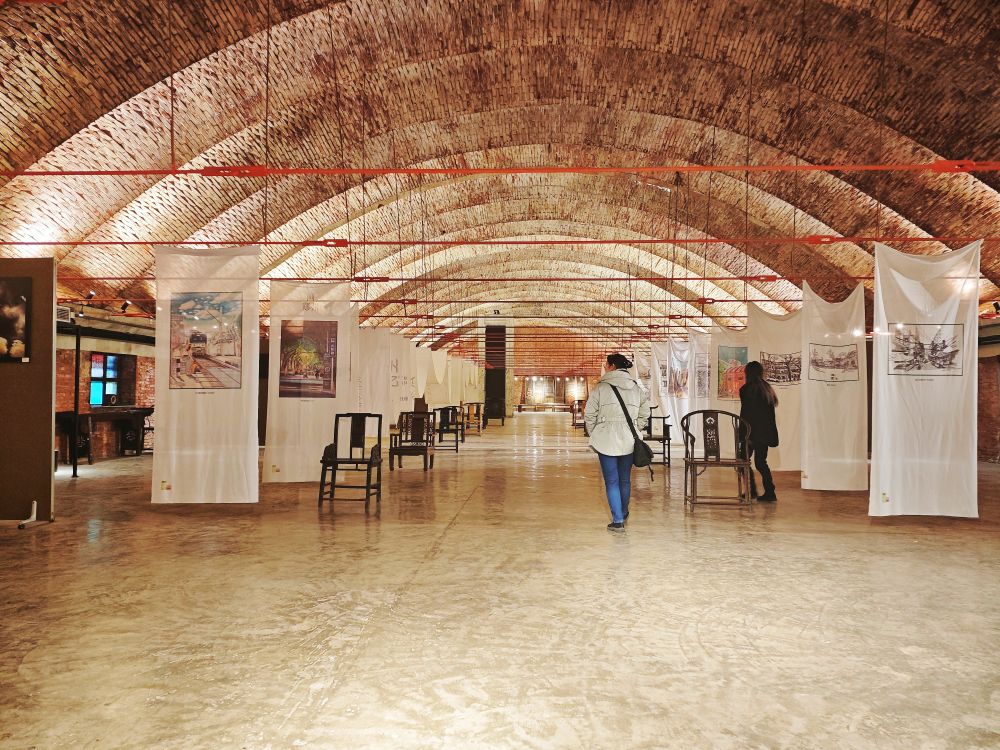
Core Insights - The transformation of the Zhengzhou Oil Chemical Plant into a cultural landmark reflects a successful blend of historical memory and modern consumption, attracting over 30,000 daily visitors [1] - The park has become a key destination for young people, featuring over 230 shops and numerous market stalls, focusing on a diverse range of experiences [2] - The development of cultural and creative parks in Zhengzhou is part of a broader strategy to enhance the city's cultural tourism and economic vitality [2][3] Group 1 - The Zhengzhou Oil Chemical Plant, established in 1952, was once the largest detergent production base in Henan and has now been repurposed into a national-level tourism and leisure area [1] - The park's renovation involved government guidance and market operations, leading to a significant increase in visitor numbers and economic activity, with over 110 million yuan in revenue during the 2026 New Year holiday [2] - The integration of historical industrial sites into the cultural landscape serves as a unique resource for tourism and economic development, enhancing the city's appeal to younger demographics [2][3] Group 2 - The park's offerings include cultural creativity, technological innovation, entertainment, and immersive experiences, promoting a "five senses" economy [2] - The revitalization of industrial heritage not only preserves historical memory but also creates new cultural symbols and leisure spaces for urban residents [3] - The successful transformation of old factories into cultural hubs demonstrates the potential for cities to leverage their historical assets for future growth and cultural confidence [3]
人文经济激活消费新动能|从老厂房到会客厅:工业记忆“燃”起市井烟火
Xin Hua She· 2026-01-23 02:45
Core Viewpoint - The transformation of the Zhengzhou Oil Chemical Plant into a cultural and creative hub has successfully merged historical significance with modern consumer experiences, attracting a large number of visitors and revitalizing the area [1][2]. Group 1: Historical Background and Transformation - The Zhengzhou Oil Chemical Plant, established in 1952, was once the largest detergent production base in Henan and a significant project aided by the Soviet Union during the early years of the People's Republic of China [1]. - After ceasing operations in 2006, the plant area became an "idle space" until its redevelopment began in 2019, leading to its current status as a national-level tourism and leisure district that attracts over 30,000 visitors daily [1]. Group 2: Economic Impact and Visitor Engagement - The creative park now hosts over 230 shops and numerous market stalls, focusing on cultural creativity, technological innovation, and immersive experiences, contributing to a vibrant "five senses" economy [2]. - During the 2026 New Year holiday, the area attracted over 250,000 visitors and generated revenue exceeding 11 million yuan [2]. Group 3: Cultural Significance and Future Development - The industrial heritage serves as a vital link between the past and future, representing a unique cultural tourism resource that enhances the city's appeal to younger demographics [2]. - Zhengzhou's strategy of developing cultural and creative parks is part of a broader initiative to integrate historical culture and urban stories into new consumer experiences, fostering a warm city atmosphere [2][4].
从老厂房到会客厅 工业记忆“燃”起市井烟火
Xin Hua She· 2026-01-22 14:35
Core Viewpoint - The transformation of the Zhengzhou Oil Chemical Plant into a cultural and creative park has successfully merged historical memory with modern consumption, attracting a significant number of visitors and revitalizing the local economy [1][2]. Group 1: Historical Background and Transformation - The Zhengzhou Oil Chemical Plant, established in 1952, was once the largest detergent production base in Henan and a key project aided by the Soviet Union in early New China [1]. - After ceasing operations in 2006, the plant area became an "idle space" until its redevelopment began in 2019, leading to its current status as a national-level tourism and leisure district [1]. - The park now attracts over 30,000 visitors daily, showcasing a successful revitalization of industrial heritage into a vibrant cultural space [1]. Group 2: Economic Impact and Visitor Engagement - The creative park has over 230 shops and numerous market stalls, focusing on a diverse range of experiences including cultural creativity, technology innovation, and immersive performances, contributing to a "five-senses economy" [2]. - During the 2026 New Year holiday, the area attracted over 250,000 visitors and generated revenue exceeding 11 million yuan [2]. - The development of cultural and creative parks is part of Zhengzhou's strategy to enhance its appeal to younger demographics and create new consumption scenarios [2]. Group 3: Cultural Significance and Future Outlook - The industrial remnants serve as a vital link between the past and future, representing a unique cultural tourism resource [2]. - The transformation of old factories into cultural landmarks not only enhances the city's cultural identity but also creates new leisure and entertainment spaces [3]. - The revival of industrial memory fosters cultural confidence and development momentum for the city, blending humanistic and economic growth [3].