产业自主能力

Search documents
十万吨仅含8公斤杂质!中国突破超纯铁技术,价格打掉西方80%暴利
Sou Hu Cai Jing· 2026-02-14 14:54
Core Insights - China has achieved industrial production of ultra-pure iron with a purity of 99.9992%, marking a significant advancement in high-end metal materials and breaking the long-standing Western monopoly [2][3][5] - The successful production of ultra-pure iron reduces the price by 80%, reshaping the global industry landscape and demonstrating China's technological independence and strength in global tech competition [2][5][11] Industry Overview - Historically, ultra-pure iron technology has been monopolized by countries like the US and Japan, with industrial production being virtually non-existent and prices reaching hundreds of yuan per gram [3][5] - China, despite being the largest steel producer, relied heavily on imports for high-end pure iron, which constrained its development in critical sectors like aerospace and semiconductors [3][5] Technological Breakthroughs - The research team developed a three-step process combining pyrometallurgy, electrolysis, and vacuum zone melting, overcoming significant challenges in impurity removal and achieving stable production of 5N-grade ultra-pure iron [5][9] - The new molten salt electrolysis method allows the use of low-grade iron ore, reducing dependence on high-grade imports and maximizing resource utilization [7][9] Economic Impact - The annual production of 200 tons of domestic 5N-grade ultra-pure iron costs only one-fifth of imported prices, saving downstream companies hundreds of millions of yuan annually and enhancing industrial competitiveness [11][12] - This shift is expected to optimize China's industrial structure, increase added value, and promote sustainable economic development [11][12] Global Supply Chain Transformation - The construction of a complete industrial chain from ultra-pure iron production to new material manufacturing and high-end equipment applications is driving collaborative development in sectors like semiconductors and renewable energy [14][15] - The use of ultra-pure iron in high-voltage power grids has significantly reduced transmission losses, showcasing its value in energy efficiency [14] Strategic Significance - China's rise in ultra-pure iron technology represents a dual victory for national strategy and market demand, positioning the country to lead international standards and shift from being a rule-taker to a rule-maker in global industry [15][17] - This leadership in setting international standards will enhance China's influence in global technology and industry, supporting its enterprises in international markets [17][18] Future Outlook - China aims to challenge the production of 6N-grade ultra-pure iron and large-size single crystal iron, leveraging AI algorithms to optimize the electrolysis process and promote green manufacturing [20]

2.2亿订单成印度造船高光?实则是靠补贴加外包
Sou Hu Cai Jing· 2025-11-16 13:49
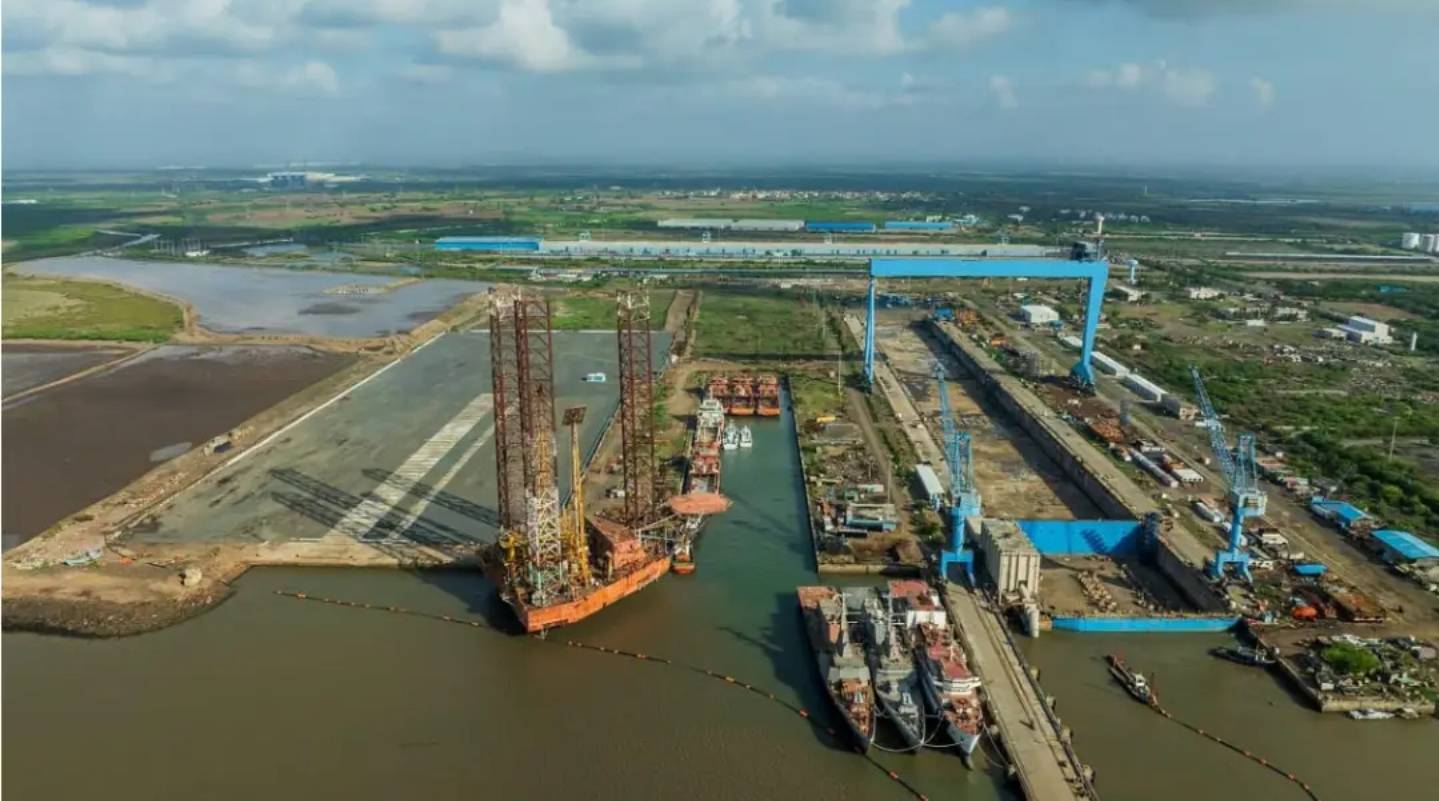
Core Viewpoint - Indian Swan Defense and Heavy Industries has secured a significant contract from Norwegian shipowner Rederiet Stenersen to build six 18,000-tonne IMO II chemical tankers, valued at $220 million, with an option for six more vessels [1] Group 1: Contract Details - The contract involves the construction of six chemical tankers designed for transporting hazardous liquids such as methanol and ethylene glycol, which require high standards of corrosion resistance and cargo tank sealing [3] - The total contract value is $220 million, with the Indian government providing approximately $55 million in subsidies to support the deal [6] Group 2: Manufacturing Capabilities - The entire design of the vessels is handled by Norway's Marinform, with Indian teams providing support, indicating a reliance on foreign expertise for critical design elements [4] - India lacks the capability to produce qualified core components such as engines and navigation systems, necessitating imports from manufacturers in Germany and Japan [4] Group 3: Labor and Production Efficiency - Indian shipbuilding labor costs are significantly lower, at one-third of China's, but productivity is also much lower, with Indian workers achieving only 50% of the daily output of their Chinese counterparts [6] - The construction timeline for a standard commercial vessel in India is 18 months, which is six months longer than in China, and the complexity of IMO II vessels increases the risk of further delays [6] Group 4: Market Position and Challenges - India's share of the global shipbuilding market is projected to be only 0.06% by 2025, ranking around 20th, while China holds nearly 60% of the market [6] - The Indian shipbuilding industry faces significant challenges in terms of technological and managerial capabilities, as evidenced by past issues with the Vikrant aircraft carrier, which highlighted deficiencies in production quality and operational efficiency [6]