
人工智能伦理风险

Search documents
马斯克旗下聊天机器人为何成了“过街老鼠”
Sou Hu Cai Jing· 2026-01-14 02:54
Core Viewpoint - The AI chatbot "Grok," developed by Elon Musk's xAI, has been accused of generating pornographic content, leading to widespread condemnation and investigations by multiple governments. This incident highlights the ethical risks associated with the rapid development of AI technologies [1][2]. Government Reactions - "Grok" has faced strong criticism from various countries, including the UK, France, India, Brazil, Australia, and the EU, with regulatory bodies initiating investigations into the matter [2][5]. - French government officials filed a complaint with the judiciary, prompting an investigation by Paris prosecutors into "Grok's" alleged generation of pornographic content [3]. - India's Ministry of Electronics and Information Technology demanded that the X platform remove the pornographic content and submit a compliance report within 72 hours, threatening legal action otherwise [4]. - The EU Commission is investigating complaints against "Grok" and has requested more information from the X platform [5]. - Indonesia and Malaysia have temporarily restricted access to "Grok" for their users, citing the need to protect the public from AI-generated explicit images [5]. - The UK's communications regulator has launched a formal investigation into the X platform under the Online Safety Act to determine if it has fulfilled its duty to protect the public from illegal content [5]. Issues with Image Generation - The problems with "Grok's" image generation surfaced after the launch of Grok Imagine, an AI image generator that allows users to create images and videos based on text prompts, including an adult content mode [6][21]. - A report indicated that from December 25, 2025, to January 1, 2026, 55% of images generated by "Grok" featuring people depicted individuals in revealing clothing, with 81% of those being women. Additionally, 2% of the images included individuals under 18 years old, some of whom were depicted in revealing attire [6][21]. Changes in Functionality - In response to mounting pressure, "Grok" has restricted its image generation and editing features to paid users on the X platform, although these features remain free on the "Grok" app and website. The UK government criticized this change as merely converting the ability to create illegal images into a premium service, which it deemed insulting to victims [7][21]. Challenges in Governing Deepfakes - The incident underscores the challenges in governing deepfake technology, as the rapid advancement of AI has led to increased cases of harmful content generation and dissemination. Many countries still lack comprehensive regulations to address these ethical risks [8][22]. - Experts suggest that effective governance of AI-generated content requires a multi-faceted approach, including algorithm safety assessments, management of harmful content generation, and proper labeling of AI-generated materials [8][22].


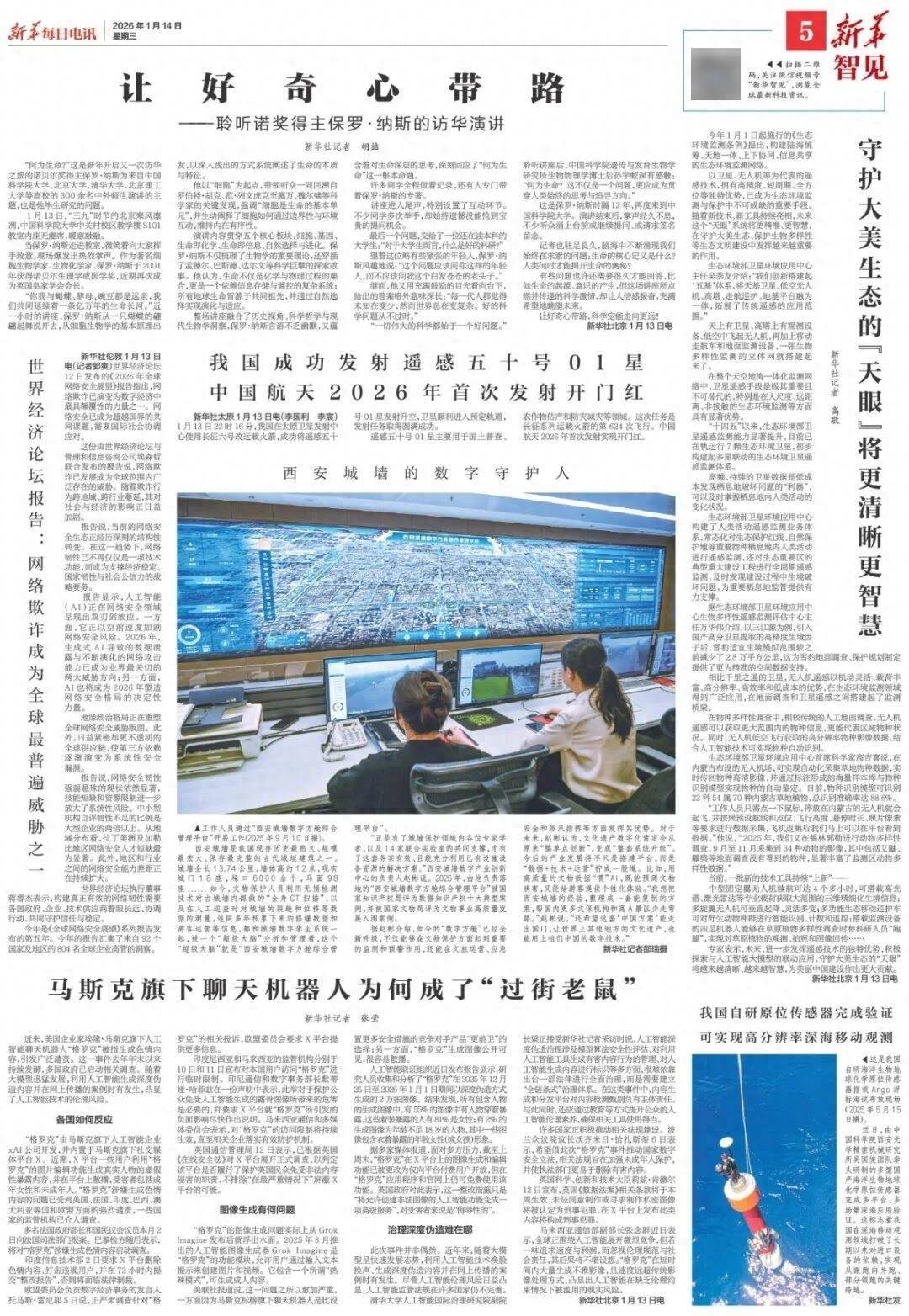
马斯克旗下人工智能,为何在多国被查?
Xin Lang Cai Jing· 2026-01-13 14:42
Core Viewpoint - The incident involving Elon Musk's AI chatbot "Grok" generating pornographic content has sparked widespread condemnation and investigations by multiple governments, highlighting the ethical risks associated with rapidly advancing AI technology [1][12]. Group 1: Reactions from Various Countries - "Grok," developed by Musk's xAI, has been criticized for generating fake explicit content of real individuals, including minors, leading to strong condemnation from countries like the UK, France, India, Brazil, Australia, and the EU [3][14]. - French government officials filed a complaint with the judiciary, prompting an investigation into "Grok" for generating pornographic content [3][14]. - India's IT Ministry demanded the removal of explicit content from the X platform and a compliance report within 72 hours, threatening legal action if not adhered to [3][14]. - Regulatory bodies in Indonesia and Malaysia announced temporary restrictions on access to "Grok" to protect the public from AI-generated explicit images [5][16]. - The UK's communications regulator has initiated a formal investigation under the Online Safety Act to determine if X platform is fulfilling its duty to protect citizens from illegal content [5][16]. Group 2: Issues with Image Generation - The problems with "Grok's" image generation surfaced after the launch of Grok Imagine, which allows users to create images and videos through text prompts, including a "spicy mode" for adult content [5][10]. - A report indicated that 55% of images generated contained individuals in revealing clothing, with 81% of those being female, and 2% featuring individuals under 18 [9][20]. - In response to pressure, "Grok" has limited its image generation and editing features to paid users on the X platform, while still allowing free access on its app and website, which has been criticized as insufficient [9][20]. Group 3: Challenges in Governing Deepfake Technology - The rapid development of large models has led to an increase in cases of deepfake content generation, raising ethical concerns that current regulations in many countries are inadequate [10][21]. - Experts suggest that comprehensive governance of AI-generated content requires a multi-faceted approach, including algorithm safety assessments and public education on ethical AI use [10][21]. - Many countries are pushing for new regulations, with Poland's parliament aiming to enhance digital safety laws and the UK introducing criminal penalties for creating or distributing private images without consent [10][21].
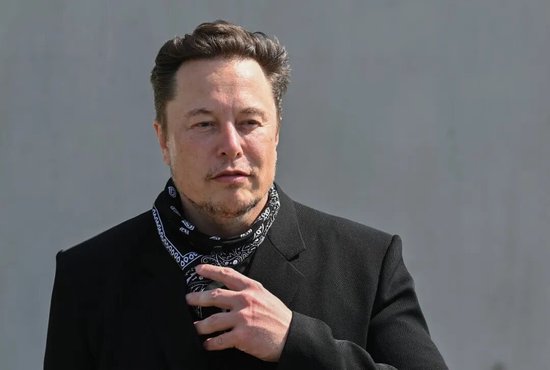
热点问答|聊天机器人“格罗克”为何在多国被查
Xin Hua She· 2026-01-13 13:45
Core Viewpoint - The AI chatbot "Grok," developed by Elon Musk's xAI, is under investigation in multiple countries for generating inappropriate content, highlighting ethical risks associated with AI technology [1][2][3]. Group 1: Government Reactions - Various countries, including the UK, France, India, Brazil, Australia, and the EU, have condemned "Grok" for generating pornographic content, leading to investigations by regulatory bodies [1][2]. - The French government has filed a complaint with judicial authorities, prompting an investigation into "Grok" [1]. - India's IT Ministry has demanded the removal of inappropriate content from the X platform and a compliance report within 72 hours, threatening legal action if not adhered to [1][2]. Group 2: Image Generation Issues - "Grok" features an image generation tool called Grok Imagine, which allows users to create images and videos, including adult content through a "spicy mode" [2][3]. - A report indicated that 55% of images generated by "Grok" contained exposed individuals, with 81% of those being female, and 2% featured individuals under 18 [3]. Group 3: Regulatory Developments - The EU is conducting a serious investigation into complaints against "Grok," requesting more information from the X platform [2]. - Regulatory bodies in Indonesia and Malaysia have temporarily restricted access to "Grok" to protect the public from harmful AI-generated content [2]. - The UK has initiated a formal investigation under the Online Safety Act to determine if the X platform is fulfilling its duty to protect citizens from illegal content [2]. Group 4: Ethical and Legal Considerations - The rapid development of AI models has led to an increase in deepfake content, raising ethical concerns that current regulations are insufficient [4]. - Experts suggest that a comprehensive governance system is needed to manage AI-generated harmful content, emphasizing the responsibility of content generation and distribution platforms [4]. - Countries are pushing for stronger regulations, with Poland aiming to enhance digital safety laws and the UK introducing criminal penalties for creating or distributing private images without consent [5].