人本自信

Search documents
当喜剧与技术交汇:蔡明、春晚和跨越三十年的“机器人想象”
Xin Lang Cai Jing· 2026-02-24 06:05
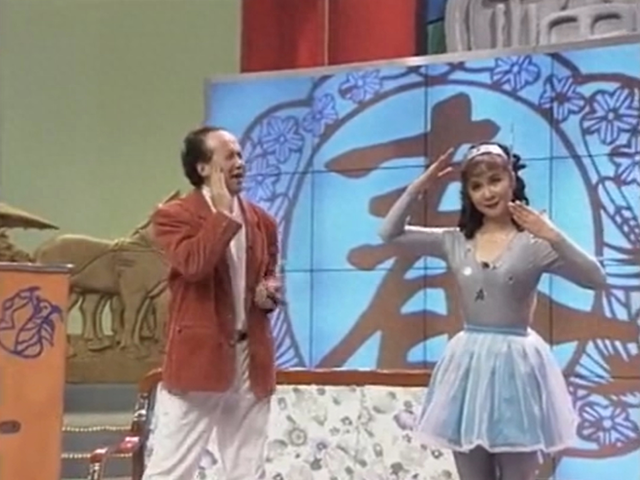
Core Viewpoint - The article explores the intertwining journey of the comedian Cai Ming and the evolution of robotics over the past thirty years, highlighting how her performances reflect societal perceptions of robots at different technological stages [2][29]. Group 1: Historical Context of Robotics in China - The 1996 skit "Robot Talk" marked the beginning of public engagement with robotics in China, portraying a comedic take on the concept of a perfect robot partner, which ultimately revealed the limitations of technology in understanding human emotions [3][5]. - The narrative of "Robot Talk" reflects the cultural influences of the 1990s, including the impact of Hollywood sci-fi films and Japanese pop culture on Chinese perceptions of robots [6][7]. Group 2: Evolution of Robot Imagery - Cai Ming's performances have illustrated three phases of societal imagination regarding robots: the "enlightenment phase" represented by "Robot Talk," the "integration phase" with the virtual character "Nanako," and the "maturity phase" showcased in "Grandma's Favorite" [2][20]. - The character "Nanako," a virtual streamer, signifies a shift towards a harmonious coexistence between humans and robots, contrasting with earlier narratives that depicted robots as mere tools [14][15]. Group 3: Technological Advancements and Societal Impact - The article notes that by 2024, China is projected to install nearly 300,000 new robots, significantly outpacing other regions, indicating a rapid advancement in robotics technology [23]. - The 2026 skit "Grandma's Favorite" features a highly realistic humanoid robot, reflecting the current technological capabilities and societal acceptance of robots as integral parts of daily life [20][22]. Group 4: Cultural Reflection and Future Outlook - The Spring Festival Gala serves as a cultural mirror, capturing the evolution of technology and societal emotions, with Cai Ming's performances acting as a bridge between public sentiment and technological advancements [29][30]. - The narrative emphasizes a shift from viewing technology as a threat to recognizing its role in enhancing human experiences, particularly in the context of aging and companionship [24][27].