代谢医学

Search documents
瘦下来只是表面,GLP-1真正厉害的是重写全身代谢
GLP1减重宝典· 2026-03-28 07:55
Core Viewpoint - The article discusses the evolving role of GLP-1 drugs, highlighting their potential benefits beyond weight loss, including cardiovascular, renal, hepatic, and neurological improvements, indicating a shift towards comprehensive chronic disease management [4][12]. Cardiovascular Benefits - GLP-1 drugs are increasingly recognized for their cardiovascular benefits, reducing risks of major cardiovascular events such as heart attacks and strokes, and potentially lowering hospitalization and mortality risks in certain heart failure patients [5][6]. Renal Protection - The renal benefits of GLP-1 drugs are gaining attention, as they may help slow the progression of chronic kidney disease, a common complication of diabetes and obesity, thus becoming a significant aspect of treatment for patients facing metabolic burdens [8]. Hepatic Potential - GLP-1 drugs are showing promise in treating metabolic dysfunction-related fatty liver disease, with indications of clinical improvements in liver inflammation, fat accumulation, and fibrosis, suggesting a broader application in multi-organ disease management [9]. Neurological and Cancer Risks - The potential of GLP-1 drugs in neurodegenerative diseases and cancer remains uncertain, with some studies showing positive signals while others do not confirm significant disease progression delays, indicating a need for cautious optimism [10]. Shift in Chronic Disease Management Logic - The most significant change is not merely the expansion of GLP-1's indications but the transformation in chronic disease management logic, recognizing the interconnectedness of obesity, diabetes, and other metabolic disorders, positioning GLP-1 as a pivotal tool in this new paradigm [12]. Need for Evidence-Based Caution - As the interest in GLP-1 drugs grows, it is crucial to remain grounded in evidence, acknowledging the varying maturity of research across different disease areas and the fact that not all patients may benefit equally from these treatments [13].


速递|45年2174篇研究给出答案:GLP-1时代,青少年减重手术不再只是动刀
GLP1减重宝典· 2026-02-15 04:08
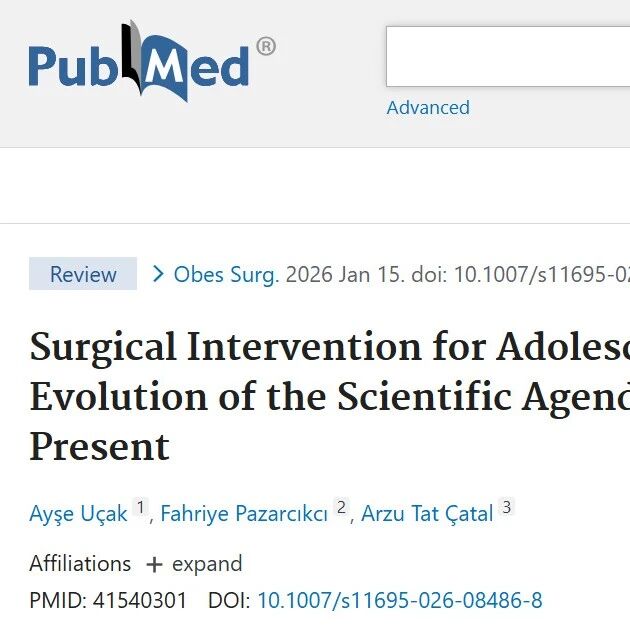
Core Viewpoint - The article discusses the evolution of adolescent weight loss surgery from a controversial procedure to a recognized treatment for metabolic diseases, emphasizing the need for a systematic approach to obesity management in youth [5][10]. Group 1: Background and Current Trends - The global prevalence of overweight adolescents has surpassed 390 million, with obesity rates rising, particularly in high-income countries [5]. - Severe obesity in adolescence is linked to long-term health issues such as type 2 diabetes, cardiovascular risks, and increased healthcare costs [5]. - Traditional lifestyle interventions have limited effectiveness for severely obese adolescents, necessitating the consideration of metabolic and weight loss surgeries [6]. Group 2: Research Findings - A bibliometric study covering 45 years and 2,174 articles shows a significant increase in research output post-2005, with 62% of studies published after 2016 [6][7]. - The U.S. leads in publication volume and citation impact, with a concentration of research in high-capacity children's hospitals [7]. - The focus of research has shifted from basic surgical outcomes to comprehensive metabolic management, integrating drug therapies and addressing health inequalities [8][9]. Group 3: Clinical Implications and Ethical Considerations - Long-term follow-up studies indicate that adolescents undergoing weight loss surgery can achieve sustained BMI reductions and improvements in metabolic conditions [8]. - Risks have transitioned from surgical complications to long-term management challenges, including micronutrient deficiencies and psychological impacts [8]. - Ethical discussions are evolving towards the timing and criteria for surgery, emphasizing the need for multidisciplinary assessments in high-capacity centers [8][10]. Group 4: Future Directions - The integration of GLP-1 medications is changing the landscape of obesity treatment, providing alternatives to surgery while raising new concerns about long-term adherence and rebound weight gain [9]. - The article identifies gaps in long-term outcome data, comparative studies of surgical and pharmacological strategies, and the need for policy interventions to address health disparities [10].