
以小见大

Search documents
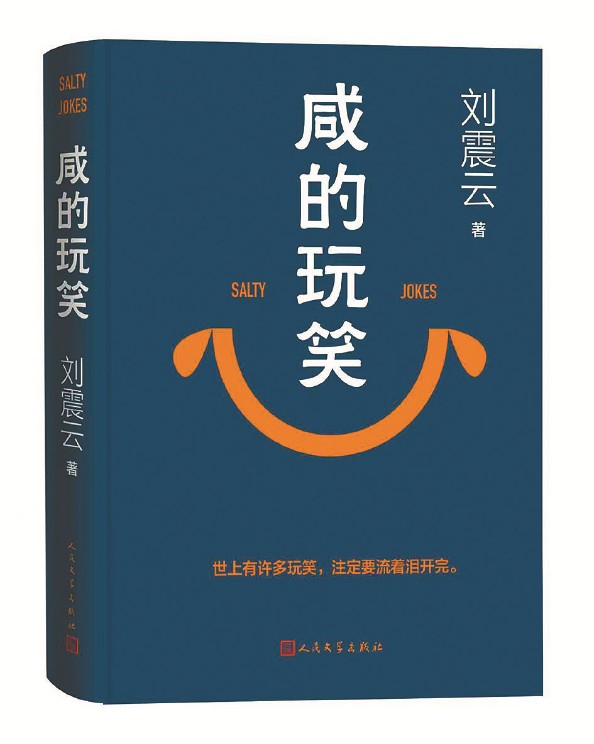
为了生活的甜,有人愿尝遍所有的咸
Xin Lang Cai Jing· 2026-01-11 06:51
Core Perspective - The book "Salty Jokes" by Liu Zhenyun explores the theme of individual struggles and shared human experiences, emphasizing that while happiness may be similar, hardships are unique to each person [2][3] Summary by Sections Themes and Concepts - The narrative reflects a person's inability to express emotions, extending this idea to a broader context of diverse human experiences across different streets and cities [3] - The writing style is likened to a close-up shot, focusing on the immediacy of life, with events and characters that resonate with contemporary experiences [3][4] Character Analysis - The protagonist, Du Taibai, embodies a sense of absurdity and magic realism, navigating the complexities of life in a small town while feeling like an outsider [4] - Du Taibai's interactions with various characters highlight the theme of stagnation and the struggle for change, as he grapples with his identity and aspirations [5] Literary Style - The book employs a blend of humor and seriousness, moving away from Liu's previous comedic style to explore deeper themes of life and existence [6] - The narrative structure suggests that the essence of life is found in the mundane and repetitive aspects, creating a resonance with readers through shared experiences [5][6] Conclusion - "Salty Jokes" concludes with a reflection on the duality of life, suggesting that one must either remain present and seek inner peace or venture into the unknown to embrace life fully [6]

一问到底丨百年来首度开放 故宫这些“神秘角落”如何重获新生?
Yang Shi Wang· 2025-09-29 16:29
Core Viewpoint - The Palace Museum in Beijing is celebrating its 100th anniversary, with the opening of the Ning Shou Palace Garden, also known as the Qianlong Garden, on September 30, showcasing unique architectural features and the integration of southern and northern garden art styles [1] Group 1: Architectural Features - The Ning Shou Palace Garden, covering a small area, is designed with a unique layout that combines southern and northern garden aesthetics, reflecting both scholarly elegance and royal grandeur [1] - The central building, Gu Huaxuan, is characterized by its open structure and is located at the center of the first courtyard, surrounded by a historic ancient tree that blooms with beautiful purple flowers in April [1][2] - The garden's design embodies the principle of "seeing the big in the small," creating a deep and tranquil atmosphere despite its limited space [3] Group 2: Restoration and Craftsmanship - The black lacquered gold leaf screens in Gu Huaxuan are replicas, as the original ones are severely damaged, but the replicas are made following strict traditional craftsmanship [4] - Extensive research was conducted on the decorative patterns of the original screens, with over 180 variations documented to ensure accurate replication [5] - Differences in gold content between the Qianlong and Guangxu periods were noted, with early Qianlong pieces using higher purity gold, reflecting variations in artistic expression [5] Group 3: Cultural Significance - The garden features the "Qu Shui Liu Shang" (Flowing Water and Wine) concept, which is rooted in ancient rituals and has evolved into a spring outing tradition, exemplified by the historical gathering of literati by Wang Xizhi [6] - The garden incorporates historical elements, such as the renovation of an existing flowing cup channel, to enhance its cultural and aesthetic appeal [6]
高手吃1次亏,顶普通人吃10次
3 6 Ke· 2025-07-29 08:13
Group 1 - The core idea is that experiencing losses can be a valuable learning opportunity if one reflects on them rather than seeking revenge [1][2] - There are three techniques for smartly handling losses: learning from small mistakes, applying lessons broadly, and avoiding hidden losses [3][23] Group 2 - The first technique, "seeing the big picture from small mistakes," emphasizes the importance of understanding the implications of minor errors in professional settings [3][12] - The second technique, "drawing lessons from experiences," suggests that insights gained from one situation can be applied to others, enhancing overall understanding [13][14] - The third technique, "avoiding hidden losses," highlights the need to ensure that contributions are recognized and to maintain clear communication to prevent misunderstandings [23][25]