价格和工资联动

Search documents
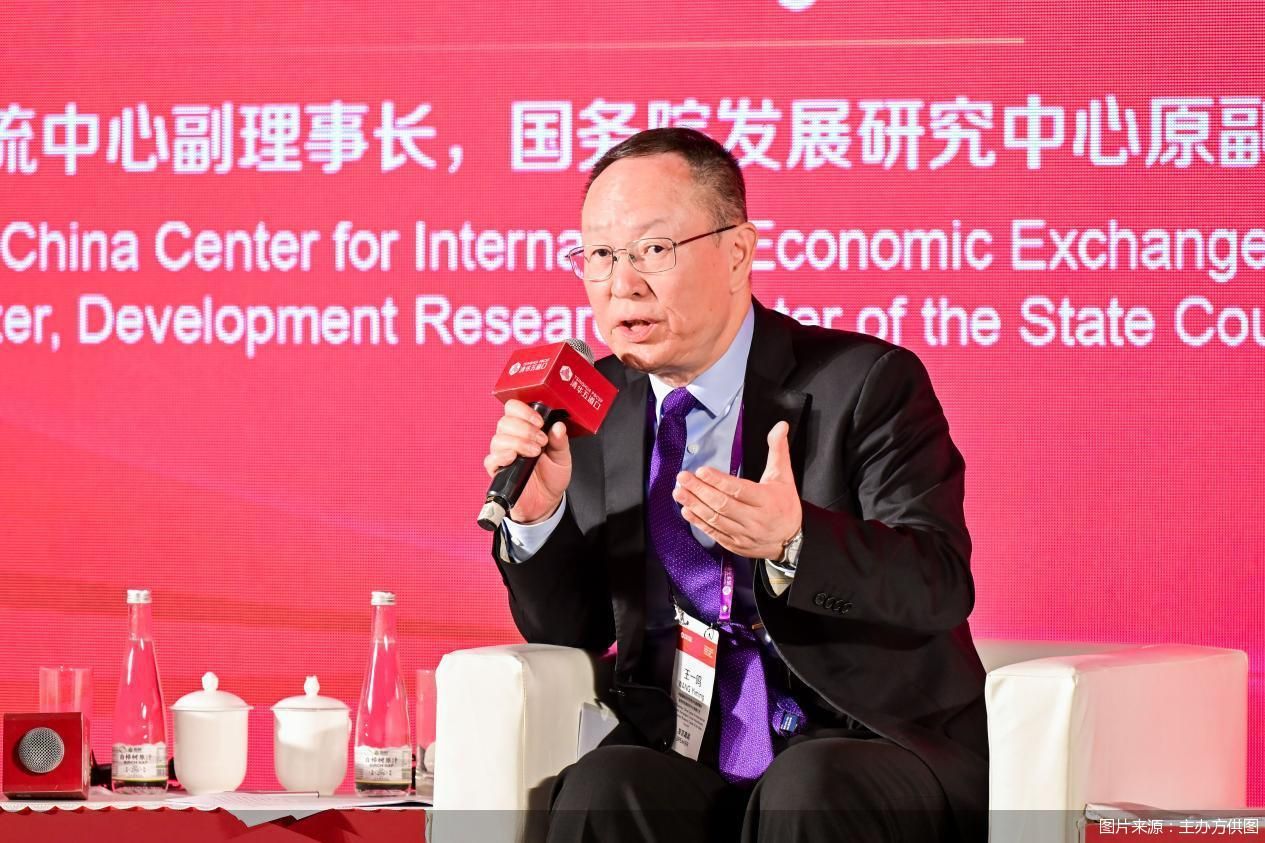
2025五道口金融论坛|王一鸣:服务业是扩大内需重点,需放松价格管制
Bei Jing Shang Bao· 2025-05-18 13:01
Group 1 - The core viewpoint is that the tariff impacts from the Trump administration are significant for China's foreign trade and economy, with potential declines in exports to the U.S. and overall export totals [2] - China's exports to the U.S. account for 14.7% of its total foreign trade, and if U.S. importers bear half of the tariff costs, exports to the U.S. could drop by 18%, leading to a reduction in total exports by 2.6% to 5.3% [2] - The IMF has downgraded the global economic growth forecast for 2025 from 3.3% to 2.8%, affecting export-oriented industries such as automotive parts, electronics, and textiles, particularly in coastal provinces like Guangdong and Zhejiang [2] Group 2 - Financial markets are also affected, with increased uncertainty due to the unpredictable nature of Trump's policies, leading to abnormal capital flows and a decline in U.S. stock markets [2] - The potential for further financial sanctions against Chinese companies, including forced delisting and pressure on international financial institutions, poses additional challenges [2] - Despite these challenges, China's capital market shows resilience, with smaller fluctuations compared to other economies, and the potential for strategic opportunities arising from the tariff impacts [2][3] Group 3 - To address these challenges, comprehensive reforms and expanded openness are necessary, focusing on increasing domestic demand, particularly in the service sector, which currently constitutes nearly half of consumer spending [3] - The service industry faces entry restrictions and price controls, indicating a need for reforms to relax these constraints and enhance differentiated service supply [3] - A proposed reform includes linking price increases to wage adjustments to support low-income households, alongside attracting more social capital into infrastructure projects [3]