企业本土化

Search documents
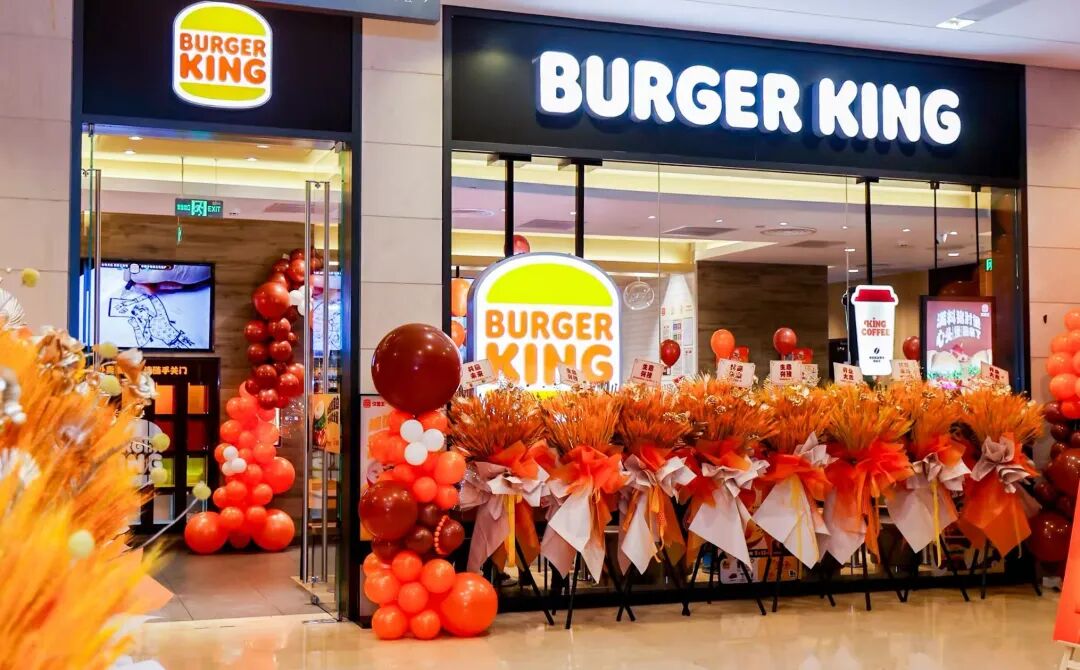
汉堡王、麦当劳找“中国合伙人”,背后可能有同一个关键人物
3 6 Ke· 2026-02-10 02:03
Core Insights - Burger King's strategic partnership with local capital CPE Yuanfeng and the completion of the joint venture "Burger King China" marks a significant step towards rapid expansion in the Chinese market, aiming to increase the number of stores from approximately 1,250 to over 4,000 by 2035 [3][4]. Group 1: Strategic Partnership and Expansion Goals - The joint venture was officially announced on November 10, 2025, and completed on February 2, 2026, with a clear goal of sustainable same-store sales growth [3]. - The expansion plan mirrors McDonald's "Vision 2022," which aimed for double-digit sales growth and an increase in store count from 2,500 to 4,500 within five years [3][4]. - Patrick Siewert, who has a history with McDonald's China, is a key figure in this partnership, indicating a strategic alignment in leadership and market approach [3][4]. Group 2: Local Market Focus and Management Changes - The appointment of Patrick Siewert as the Asia-Pacific Chairman reflects RBI's commitment to localizing its operations and addressing challenges faced in the Chinese market [4][5]. - RBI's recognition of the need for closer ties to the local market is evident, as previous management decisions were criticized for being too distant from local realities [12][14]. - The restructuring of Burger King's management team includes local leaders with extensive experience in the Chinese market, aiming to enhance operational efficiency and market responsiveness [15]. Group 3: Market Challenges and Competitive Landscape - Despite having the largest number of stores among RBI's international markets, Burger King's sales in China are relatively low, indicating a need for improved performance [9][12]. - The fast-food sector in China is highly competitive, with many brands vying for market share, necessitating a more localized approach to strategy and operations [15]. - The ongoing challenges, including franchisee dissatisfaction and unmet expansion targets, highlight the urgency for RBI to adapt its strategy in the Chinese market [12][14].


到欧洲北非去系列之二|匈牙利:三种诱惑与多重挑战
汽车商业评论· 2026-01-05 23:04
Core Viewpoint - The article discusses the opportunities and challenges faced by Chinese automotive companies in Hungary, emphasizing the importance of localization and compliance with local regulations in the context of the European automotive market [5][53]. Group 1: Opportunities in Hungary - Hungary has become a key destination for Chinese investment in the automotive sector, with 64 Chinese investment projects totaling approximately €14.3 billion from 2014 to 2024, creating nearly 26,000 jobs [14]. - The favorable policy environment, including a corporate tax rate of 9% and significant tax incentives, has attracted Chinese companies to establish operations in Hungary [19][21]. - The strategic location of Hungary in Central Europe facilitates efficient supply chain management, with major automotive manufacturers like Mercedes, Audi, and BMW located within a short distance [26][28]. Group 2: Challenges Faced - Chinese automotive companies are experiencing "localization pains" as they transition from construction to operational phases amid a volatile political environment [15]. - Compliance with EU regulations and local laws presents significant challenges, with lengthy approval processes and unexpected policy changes impacting project timelines [39][45]. - Labor shortages due to Hungary's low unemployment rate and an aging population complicate recruitment efforts, necessitating cross-border labor solutions [35][48]. Group 3: Strategic Responses - Companies like PSS have adopted flexible strategies to navigate compliance challenges, focusing on local production and quality standards for the European market while restructuring supply chains to meet U.S. requirements [54]. - Ningde Times has committed to significant investments in Hungary, with a €7.34 billion factory expected to create 9,000 jobs, reflecting a long-term strategy despite facing multiple challenges [56]. - BaoLong Technology has leveraged acquisitions to establish a foothold in Europe, enhancing its local production capabilities while maintaining cost advantages from China [58]. Group 4: Recommendations for Success - Companies should clearly define their strategic goals before entering the Hungarian market, focusing on compliance with EU and local regulations [60]. - Project planning must account for potential delays due to archaeological and approval processes, allowing for sufficient buffer time [61]. - A multi-faceted approach to human resource management, including local hiring and cross-border recruitment, is essential to mitigate labor shortages [62]. - Building strong community relations through public engagement and transparency is crucial for fostering a positive corporate image and ensuring project success [62].


经济观察丨民企出海“各显身手” 全球市场焕新中国印象
Zhong Guo Xin Wen Wang· 2025-11-24 01:26
Group 1 - The core viewpoint of the articles highlights the transformation of "Made in China" into "Created in China," driven by the increasing global presence of innovative Chinese private enterprises [1][3] - Chinese private enterprises are expanding their international reach beyond simple product exports, integrating into various sectors such as trendy toys, new-style tea drinks, smart home devices, and electric vehicles [1] - The research report from the All-China Federation of Industry and Commerce indicates that by 2025, the top 500 Chinese private enterprises are expected to report a total R&D expenditure of 1.13 trillion RMB, with an average R&D intensity of 2.77% [1] Group 2 - The proliferation of digital technology has facilitated easier pathways for Chinese enterprises to go global, with platforms like SHEIN and Alibaba International connecting personalized demands with efficient Chinese supply chains [2] - As of now, there are over 120,000 cross-border e-commerce entities in China, and the number of overseas warehouses has surpassed 2,500 [2] - Local market penetration and cultural understanding are essential for Chinese companies' internationalization, as demonstrated by the localized strategies of brands like Bubble Mart and OPPO [2] Group 3 - Chinese enterprises are deepening their local connections through establishing overseas R&D centers, production bases, and supply chain systems, as well as hiring and training local employees [3] - This deep connection allows companies to respond more accurately to differentiated market demands while also driving local employment and industrial upgrades [3] - The shift in global consumer perception of Chinese brands is moving from a focus on "price" to "value," reflecting a deeper integration of Chinese enterprises into the global market [3]
败走美国本土的互联网巨头,凭什么称霸日本?
3 6 Ke· 2025-07-02 07:44
Core Viewpoint - Yahoo Japan has thrived in the Japanese market while its parent company Yahoo has struggled in the U.S. market, showcasing the importance of localization and innovation in international business operations [1][30]. Group 1: Yahoo Japan's Market Position - Yahoo Japan was the first stock in Japan to exceed a market value of 1 trillion yen, achieving a market cap of 1,014 million yen on January 19, 2000 [8]. - At its peak in 2004, Yahoo Japan's market value surpassed $50 billion, while Yahoo's market value was only $33 billion [9]. - Yahoo Japan's profit growth from 1999 to 2004 was 60%, compared to only 14% for Yahoo globally during the same period [10]. Group 2: Yahoo Japan's Business Operations - Yahoo Japan is the largest portal website in Japan and ranked third globally outside the U.S. in terms of website traffic [13]. - As of early 2019, over 80% of Japan's 32 million internet users regularly visited Yahoo Japan, which holds a 24.03% market share in the Japanese search engine market [17]. - Yahoo Japan is also the largest online auction platform in Japan, competing with Amazon and Rakuten in the online retail market [18][19]. Group 3: Factors Contributing to Success - Yahoo Japan's success is attributed to its thorough localization, with operations managed by a local team that understands the Japanese market [30][31]. - The unique ownership structure, with SoftBank as the major shareholder, allows Yahoo Japan to operate independently from its U.S. parent company [32][33]. - Continuous innovation tailored to the Japanese market has allowed Yahoo Japan to expand its services beyond search engines and portals, including online auctions and travel services [36][38]. Group 4: Cultural Factors - Japanese consumers tend to be conservative and loyal to established products, which has helped Yahoo Japan maintain its market dominance [40][41]. - The company's early entry into the market and the introduction of various services have solidified its position, making it difficult for new competitors to gain traction [41].