
伊美谈判

Search documents
德黑兰遭近期最大规模空袭
财联社· 2026-03-28 01:14
Group 1 - The core viewpoint of the articles highlights the escalation of military actions between the U.S. and Israel against Iran, particularly focusing on the recent bombings in Tehran, which are described as the largest scale attacks in recent times [1][2] - The Israeli military has stated that it is targeting the entire Iranian regime in Tehran, indicating a broad scope of military objectives [2] - The deployment of the USS George H.W. Bush aircraft carrier to the Middle East region is anticipated, which may either join existing naval forces or replace them, reflecting ongoing military considerations despite claims of negotiations with Iran [3]

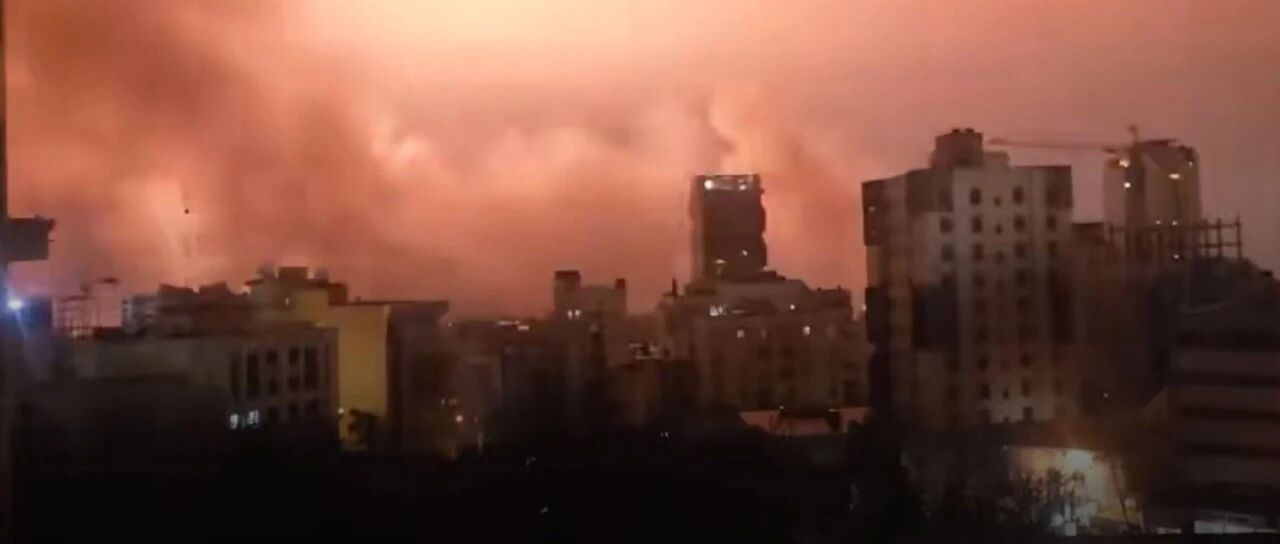
伊美谈判检验外交意愿 分歧短期内难弥合
Xin Lang Cai Jing· 2026-02-26 16:37
Core Viewpoint - The third round of indirect negotiations between Iran and the United States took place in Geneva, focusing on nuclear issues and sanctions relief, with the potential for diplomatic engagement being tested against the backdrop of military tensions [1][3]. Group 1: Negotiation Focus - Iran's negotiation stance centers on nuclear issues and the lifting of sanctions, while the U.S. insists on expanding discussions to include missile capabilities and regional influence, indicating fundamental disagreements that are unlikely to be resolved quickly [5]. - The involvement of the International Atomic Energy Agency (IAEA) could facilitate a rational agreement if both parties prioritize diplomatic engagement over military confrontation [3]. Group 2: Military Considerations - The potential for military conflict remains a significant concern, with the U.S. needing to consider the implications of military action against Iran, including the costs and consequences for itself and its allies [3][5]. - Israel is identified as a major variable in the negotiations, expressing concerns over diplomatic engagement and relying on U.S. support to counter Iran's capabilities [5]. Group 3: Challenges Ahead - Achieving a mutually satisfactory agreement through negotiations is complicated by ongoing military pressure from the U.S. on Iran and significant differences on key issues [7].
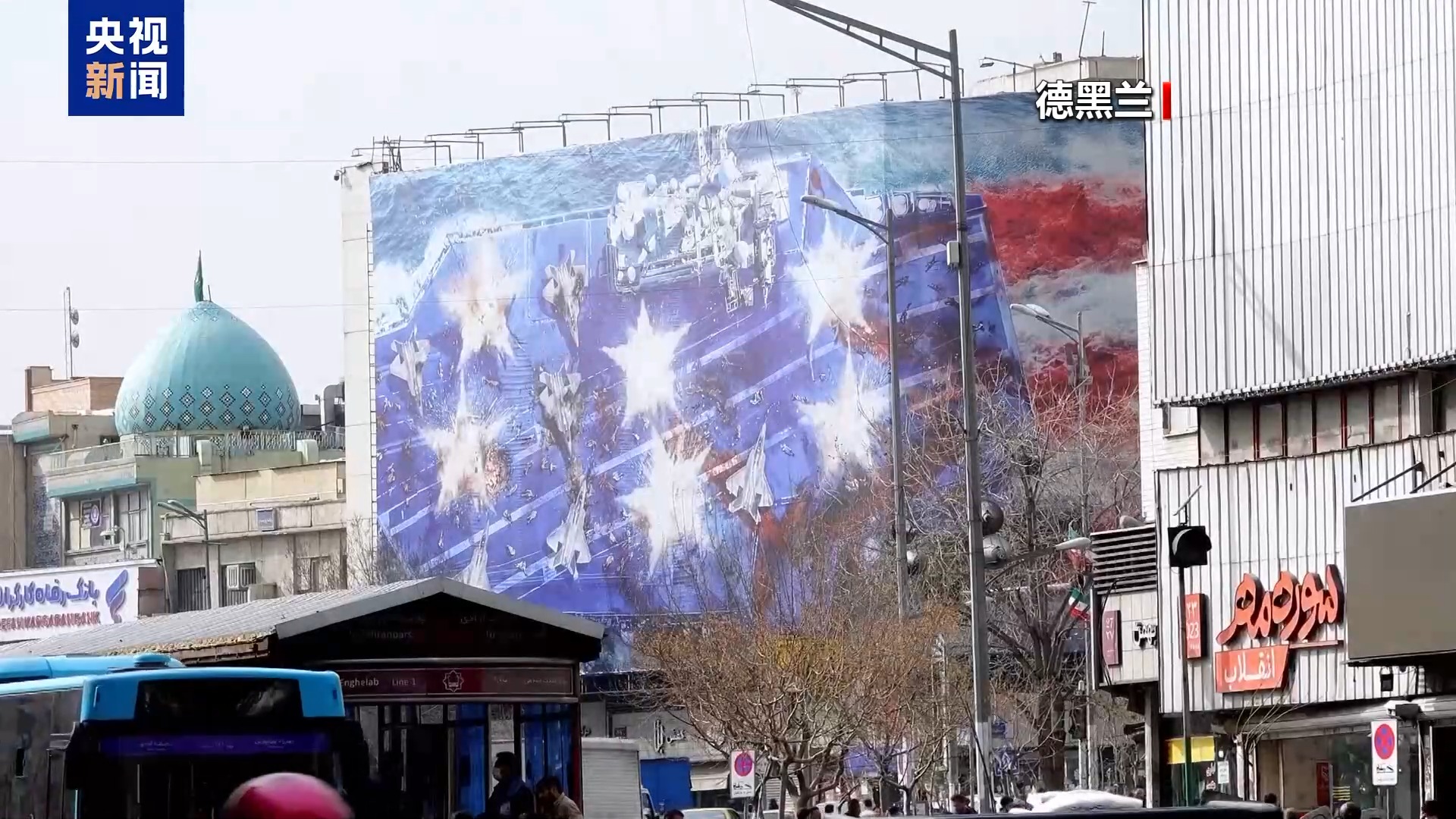
伊朗官员说伊核战略若得到尊重则有望迅速达成协议
Xin Hua She· 2026-02-26 14:22
Group 1 - The core viewpoint of the article is that the indirect negotiations between Iran and the United States may lead to a swift agreement if the main focus is on ensuring Iran does not seek to develop nuclear weapons [1] - Ali Shamkhani, the Secretary of Iran's National Defense Council, emphasized that reaching an agreement is feasible if the negotiations center around Iran's public commitment not to develop nuclear weapons [1] - The third round of indirect negotiations took place in Geneva, Switzerland, mediated by Oman, and was temporarily paused for discussions among the respective delegations [1] Group 2 - The negotiations included the participation of the Director General of the International Atomic Energy Agency, Rafael Grossi, who joined as a technical observer [1]
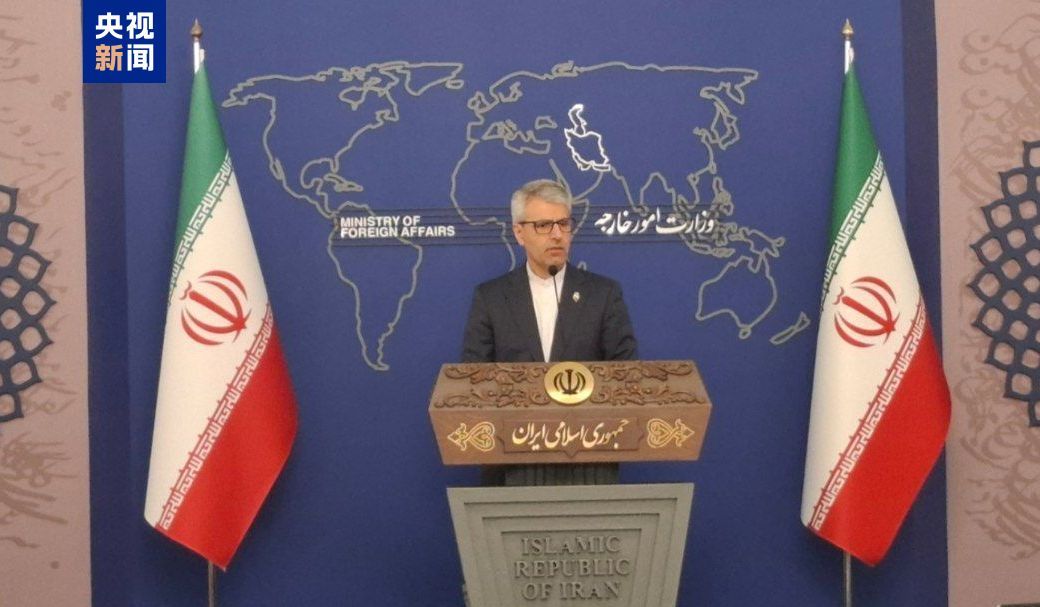
伊朗外交部发言人:关于与美国达成“临时协议”的讨论毫无根据
Xin Lang Cai Jing· 2026-02-23 08:22
Group 1 - The Iranian Foreign Ministry spokesperson, Baghaei, stated that there are many speculations regarding the negotiations between Iran and the U.S., but these are not confirmed and should be treated with caution [2] - Baghaei emphasized that negotiations aimed at forcing one side to unilaterally accept the other's demands will not yield results, particularly for Iran [2] - Iran believes that its positions on nuclear issues and sanctions relief are reasonable, and it will continue to pursue this process as long as it can achieve results [2] Group 2 - In response to earlier reports from Oman regarding the Iranian Supreme National Security Council Secretary Larijani's visit to Oman to present Iran's proposals, Baghaei stated that he was unaware of this and needed to verify the information [2]
伊朗专家:以色列是伊美谈判中最大不确定因素
Xin Lang Cai Jing· 2026-02-20 02:09
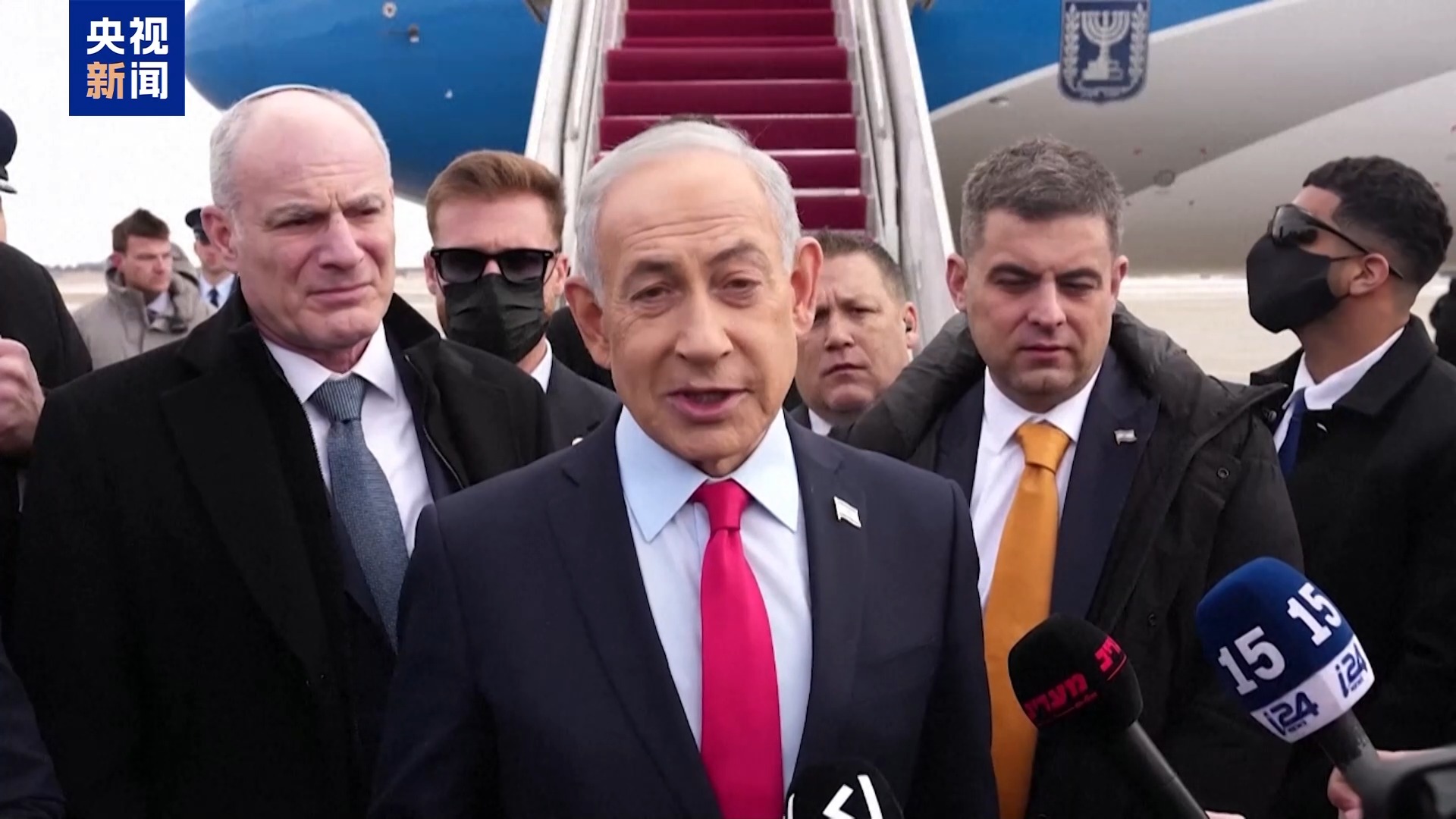
Group 1 - The core viewpoint is that Israel has become the biggest uncertainty in the negotiations between Iran and the United States, actively seeking to disrupt the talks [1] - The second round of indirect negotiations between the U.S. and Iran took place in Geneva, with both sides acknowledging progress despite ongoing differences, and agreeing to continue discussions [1][3] - Israel has expressed skepticism about the U.S.-Iran negotiations, with Prime Minister Netanyahu stating that any future agreement should address not only Iran's nuclear issues but also its ballistic missile program and regional militias [3] Group 2 - Reports indicate that Israel has raised its national alert level and some institutions have been asked to prepare for potential military action against Iran, suggesting a possible joint attack with the U.S. [3] - Iranian experts believe that Israel is attempting to undermine the negotiations through unpredictable actions, including military maneuvers and media narratives suggesting an imminent U.S. attack on Iran [5] - The current regional dynamics show Israel taking a more aggressive role, aiming to prevent Iran from gaining influence and military strength in the Middle East, with a focus on military rather than diplomatic solutions [7]
伊朗外长评价伊美谈判“立场有差距但前景更清晰”
Xin Hua She· 2026-02-18 00:20
Core Viewpoint - The recent round of indirect negotiations between Iran and the United States has shown clearer prospects for reaching an agreement, although differences in positions still exist and further communication is needed [1] Group 1: Negotiation Progress - The second round of indirect negotiations took place in Geneva, where both parties engaged in serious and constructive discussions [1] - Positive progress was reported compared to the previous round, with a general consensus on a series of guiding principles reached [1] - The next steps will involve drafting potential agreement texts, although this does not guarantee a swift resolution [1] Group 2: Future Steps - Both parties will work on the potential agreement text and exchange opinions before scheduling a third round of negotiations [1] - The Director General of the International Atomic Energy Agency (IAEA), Grossi, arrived in Geneva to discuss technical issues with the Iranian side [1]
伊朗外长:美伊第二轮谈判就“一些总体问题达成一致”
Xin Lang Cai Jing· 2026-02-17 14:22
Core Points - The second round of negotiations between Iran and the U.S. was described as more serious and in-depth compared to the previous round [1] - The atmosphere during the talks was reported to be more constructive, with various ideas being presented [1] - A general consensus on a series of guiding principles was reached, which will serve as the basis for drafting a potential agreement [1] - The process of drafting the text is expected to be challenging, but positive progress has been made [1] - The specific timing for the next round of negotiations has not yet been determined, as both sides will first review the content of the text [1] - There is a clearer understanding of the actions needed moving forward, although differences in positions remain and will require time to bridge [1]
美伊双方:就一些总体问题达成一致
财联社· 2026-02-17 14:09
Group 1 - The core viewpoint of the article highlights the ongoing indirect negotiations between Iran and the United States, with some overall agreements reached in the second round of talks, while details are still under discussion [1][2][3] - The second round of indirect negotiations took place in Geneva, Switzerland, at the Omani diplomatic mission, indicating a neutral ground for discussions [3] - The initial indirect talks occurred on the 6th of this month in Muscat, Oman, where both parties agreed to continue negotiations despite significant disagreements on core issues [2]
伊朗最高领袖顾问:如美方不提过分要求 则谈判可向积极方向发展
Yang Shi Xin Wen· 2026-02-13 10:06
Core Viewpoint - Iran's diplomatic efforts with regional countries aim to strengthen political options and ease regional tensions, highlighting the need for a special coordination mechanism to address the increasingly complex security situation [1] Group 1: Diplomatic Efforts - Iran's diplomatic initiatives are focused on enhancing political options and mitigating regional tensions, which are becoming more complex [1] - The establishment of a special coordination mechanism is deemed necessary to avoid actions that could destabilize the region [1] Group 2: Negotiations with the U.S. - If U.S.-Iran negotiations are pragmatic and the U.S. does not impose excessive demands, the talks could progress positively and align with the interests of all parties involved [1] Group 3: Military Stance - Iran's missile program is considered a "red line" and is non-negotiable, with the military on high alert for any miscalculations that could lead to severe consequences [1] - Iran asserts that Israel cannot act without direct support from the U.S., and any aggressive actions against Iran will be met with a strong and decisive response [1]
伊朗总统称面对不公正和侵犯伊朗不会退让
Yang Shi Wang· 2026-02-11 12:14
Group 1 - Iran commemorated the 47th anniversary of the Islamic Revolution with large-scale demonstrations in Tehran and other cities, emphasizing national pride and resilience [1] - Iranian President Pezeshkian stated that Iran does not seek nuclear weapons and is open to any form of nuclear inspections, but dialogue is hindered by significant distrust from the US and Europe [1] Group 2 - Iran's Chief National Security Council Secretary, Larijani, visited Oman to discuss negotiations with the US, indicating a positive stance from Iran and potential opportunities for strategic de-escalation [2] - Concurrently, Israeli Prime Minister Netanyahu visited the US to discuss issues related to Iran, highlighting ongoing geopolitical tensions [2] - US President Trump is considering deploying a second aircraft carrier strike group to the Middle East in preparation for potential military action if negotiations with Iran fail, with the USS Lincoln already stationed in the region [2]