
解除制裁

Search documents
美伊第三轮谈判 “和平窗口”有多大
Xin Lang Cai Jing· 2026-02-26 18:38
Core Viewpoint - The third round of indirect negotiations between Iran and the United States took place in Geneva, focusing on nuclear issues amid heightened military tensions in the region [1][3]. Group 1: Negotiation Details - Iran's Foreign Minister, Zarif, led the Iranian delegation, while the U.S. representatives included Special Envoy Hook and Jared Kushner, President Trump's son-in-law [1]. - The Iranian Foreign Ministry spokesperson stated that Iran participated in the talks with a serious and prepared attitude, emphasizing the focus on nuclear issues [4][5]. - Both sides proposed "serious and important suggestions" regarding nuclear issues and sanctions relief during the discussions [5]. Group 2: U.S. Position - The U.S. is expected to maintain a hardline stance, insisting that any nuclear agreement must be "permanently effective," unlike the 2015 nuclear deal, which had time-limited restrictions [6]. - U.S. officials indicated that Iran must dismantle its major nuclear facilities and transfer all remaining enriched uranium to the U.S. [6]. - The U.S. may allow Iran to restart its Tehran reactor to process low-enriched uranium for medical purposes, but insists on a complete halt to uranium enrichment activities [6]. Group 3: Military Context - The U.S. has increased military pressure on Iran, with the deployment of the aircraft carrier USS Gerald R. Ford to the Middle East, expected to arrive in Israel within 24 hours [7]. - This deployment is part of a broader strategy to establish a dual-carrier presence in the region, enhancing military readiness amid ongoing tensions [7].


伊美谈判检验外交意愿 分歧短期内难弥合
Xin Lang Cai Jing· 2026-02-26 16:37
Core Viewpoint - The third round of indirect negotiations between Iran and the United States took place in Geneva, focusing on nuclear issues and sanctions relief, with the potential for diplomatic engagement being tested against the backdrop of military tensions [1][3]. Group 1: Negotiation Focus - Iran's negotiation stance centers on nuclear issues and the lifting of sanctions, while the U.S. insists on expanding discussions to include missile capabilities and regional influence, indicating fundamental disagreements that are unlikely to be resolved quickly [5]. - The involvement of the International Atomic Energy Agency (IAEA) could facilitate a rational agreement if both parties prioritize diplomatic engagement over military confrontation [3]. Group 2: Military Considerations - The potential for military conflict remains a significant concern, with the U.S. needing to consider the implications of military action against Iran, including the costs and consequences for itself and its allies [3][5]. - Israel is identified as a major variable in the negotiations, expressing concerns over diplomatic engagement and relying on U.S. support to counter Iran's capabilities [5]. Group 3: Challenges Ahead - Achieving a mutually satisfactory agreement through negotiations is complicated by ongoing military pressure from the U.S. on Iran and significant differences on key issues [7].
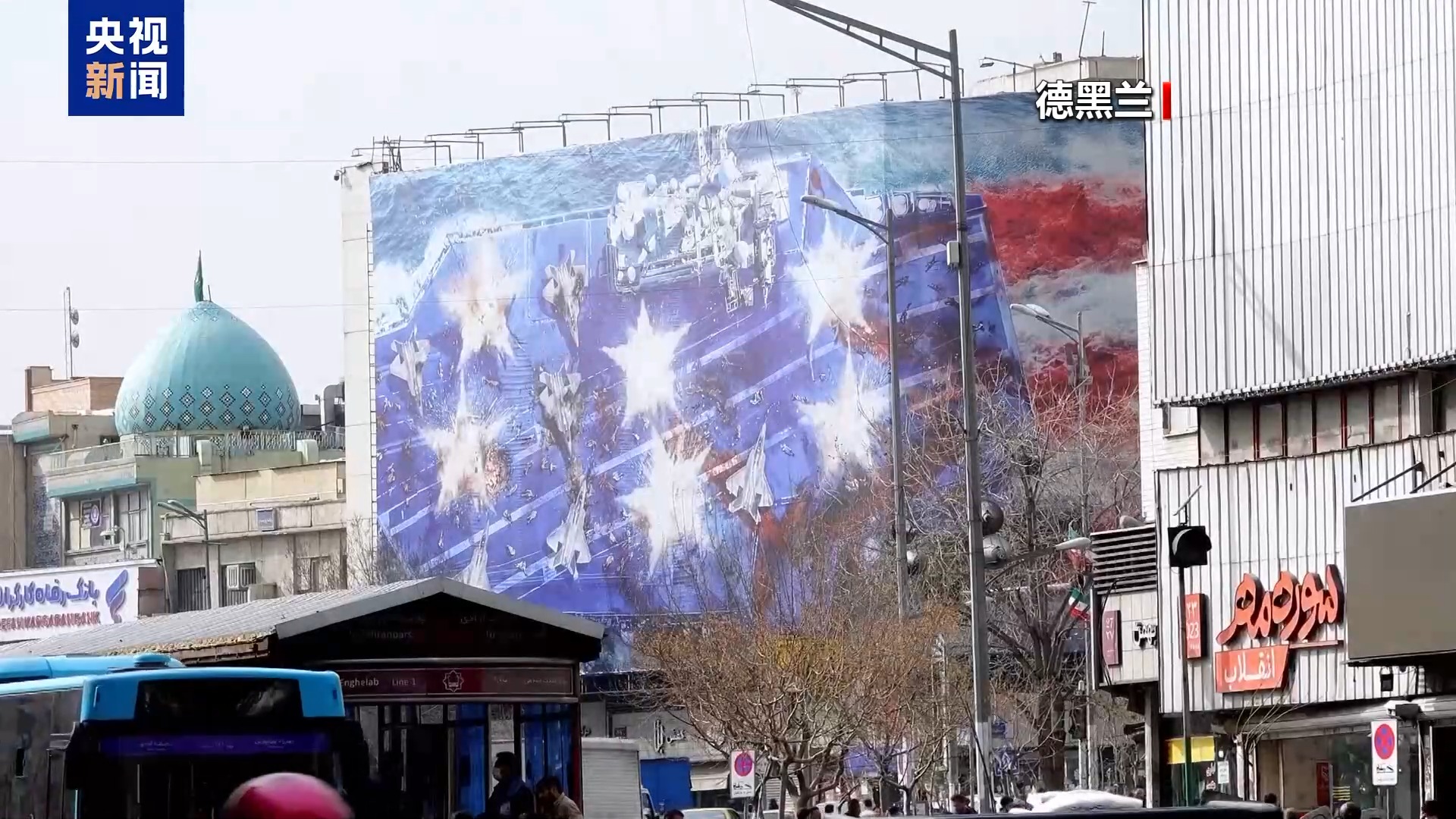
伊朗外交部说伊美双方提出了“严肃而重要的建议”
Xin Hua She· 2026-02-26 15:36
Group 1 - The core viewpoint of the article is that Iran and the United States engaged in serious discussions regarding nuclear issues and sanctions during their third round of indirect negotiations [1] - The negotiations took place in Geneva, Switzerland, and were mediated by Oman, involving representatives from both countries and officials from the International Atomic Energy Agency [1] - The talks lasted approximately three hours and have been temporarily suspended for both delegations to consult with their respective governments before resuming [1]
美伊日内瓦谈判生死局:美军航母压境,伊朗暗示“新让步”能否换来和平?
Jin Shi Shu Ju· 2026-02-26 10:09
Group 1 - The latest round of negotiations between Iran and the U.S. in Geneva aims to resolve the long-standing nuclear dispute and prevent potential military action by the U.S. against Iran [1] - The U.S. has deployed significant military forces in the region, the largest since the 2003 invasion of Iraq, raising concerns about broader regional conflict [4] - U.S. Secretary of State Rubio highlighted that Iran's refusal to discuss its ballistic missile program is a major issue that must be addressed, as these missiles are designed to target the U.S. and threaten regional stability [2] Group 2 - Iranian Foreign Minister Zarif stated that an agreement is within reach, but prioritizing diplomatic means is essential [5] - Iran is reportedly offering new concessions in exchange for sanctions relief and recognition of its uranium enrichment rights, aiming to avoid U.S. attacks [5] - The Iranian leadership insists that its nuclear program remains within the scope of the Treaty on the Non-Proliferation of Nuclear Weapons (NPT), which allows for civilian nuclear activities in exchange for abandoning atomic weapons [6]
伊朗代表团抵达日内瓦伊美谈判地
Xin Hua Wang· 2026-02-26 07:37
Group 1 - The Iranian Foreign Minister, Zarif, leads a delegation to Oman’s diplomatic mission in Geneva for the third round of indirect negotiations with the United States [1] - The negotiations are mediated by Oman and focus on nuclear issues and the lifting of sanctions [1]
国际新闻早知道丨美方称美伊谈判“在某些方面进展顺利” 日本国会今举行首相指名选举
Xin Lang Cai Jing· 2026-02-17 22:47
Group 1 - The second round of negotiations between the US and Iran has concluded, with Iran expressing an open attitude towards discussions on nuclear issues and sanctions relief [3] - The Iranian delegation is prepared to stay in Geneva for several days or even weeks to reach an agreement [3] - The Omani Foreign Ministry reported that the US-Iran negotiations have made "substantial progress," laying the groundwork for continued discussions [5] Group 2 - The Japanese Diet is set to hold a prime ministerial election, with the current cabinet expected to resign collectively on the same day [6][7] - The election will involve voting by the newly elected members of the House of Representatives and the existing members of the House of Councillors to select a new prime minister [6][7]
伊朗外交部就伊美接触明确立场:解除制裁是核心诉求
Yang Shi Xin Wen· 2026-02-02 16:19
Core Viewpoint - The core demand of Iran in upcoming diplomatic engagements with the U.S. is the lifting of sanctions, which Iran views as unfair and detrimental to its citizens [1] Group 1: Iran's Position on Sanctions - Iran's government prioritizes the complete removal of sanctions that have been imposed over the years, which they believe have been used by Western countries as a means to exert pressure and implement economic blockades [1] - The Iranian spokesperson emphasized that any negotiations must be based on mutual respect and reciprocity, indicating that Iran will not make unilateral concessions without receiving economic benefits in return [1] Group 2: Nuclear Negotiations Framework - The spokesperson outlined a principle of reciprocity in negotiations, stating that if Iran takes steps to build trust regarding its nuclear program, the West must substantively lift the sanctions that have been imposed [1] - Iran seeks a fair and mutually beneficial outcome from the negotiations, rejecting any scenario where it would make concessions without corresponding economic relief [1] Group 3: Diplomatic Environment - The importance of the negotiation environment was highlighted, with the assertion that "diplomacy and threats are incompatible," indicating Iran's commitment to resolving disputes through diplomatic means without yielding to intimidation or external pressure [1] - Iran will maintain its national interests firmly in future interactions, ensuring that diplomatic outcomes lead to tangible improvements in the economy for its citizens [1]
OFAC发布移除《叙利亚制裁条例》的最终规则
制裁名单· 2025-08-26 01:14
Core Viewpoint - The U.S. has terminated the "national emergency" regarding Syria, leading to the removal of the Syria sanctions regulations from the Federal Register, which is expected to allow financial institutions to operate in Syria [1]. Group 1: Key Administrative Order - On June 30, 2025, President of the United States issued Executive Order 14312, which outlines the regulations for lifting sanctions on Syria, published in the Federal Register on July 3, 2025 [2]. - The initial sanctions were established in May 2004 under Executive Order 13338, which froze the assets of specific individuals and prohibited the export of certain goods to Syria [2]. Group 2: Historical Context - The sanctions were imposed due to Syria's support for terrorism, occupation of Lebanon, development of weapons of mass destruction, and actions undermining U.S. efforts in Iraq, which were deemed a significant threat to U.S. national security [3]. - The goal of the new order is to remove sanctions against Syria while maintaining restrictions on terrorist organizations and individuals involved in human rights violations or chemical weapons activities [4]. Group 3: Specific Measures - Effective July 1, 2025, the national emergency declared under Executive Order 13338 will be terminated, and several related executive orders will be revoked [4]. - The revisions to Executive Order 13606 will remove references to Executive Order 13338, while the anti-terrorism and non-proliferation authorizations related to Iran will remain in effect, but those concerning Syria will cease due to the termination of the national emergency [4].
伊副外长:伊朗与欧洲三国就核问题举行了坦率的会谈
news flash· 2025-07-25 11:48
Group 1 - The Iranian Deputy Foreign Minister, Ali Bagheri Kani, announced that Iran held serious and candid discussions with representatives from the UK, France, Germany, and the EU regarding the nuclear issue and sanctions relief [1] - The meeting involved a thorough examination of the latest developments concerning sanctions and Iran's nuclear program, with both sides presenting specific proposals for discussion [1] - Iran criticized the European stance on recent aggressive conflicts and reaffirmed its principled positions on key issues, including the "rapid restoration mechanism" [1]
叙利亚与基地组织“断联”,美国或加速推动解除制裁
Jin Shi Shu Ju· 2025-07-11 05:19
Core Insights - The UN sanctions monitor reported no active links between Al-Qaeda and the Syrian interim government led by the Islamic organization this year [2] - The report is expected to strengthen expectations of the US pushing for the lifting of sanctions on Syria [3] - The US has recently taken significant steps to remove sanctions, including revoking the designation of Hay'at Tahrir al-Sham (HTS) as a foreign terrorist organization [3][4] Group 1 - The report indicates that HTS, which was once affiliated with Al-Qaeda, severed ties in 2016 and has since led a rebellion against Bashar al-Assad's regime [3] - The US aims to support the new Syrian leadership's plans to integrate foreign fighters into the military, which has been a contentious issue in improving relations with the West [5] - The report highlights that some foreign fighters refuse to join the military integration plan, increasing the risk of internal conflict [6] Group 2 - The US administration argues that lifting sanctions aligns with American interests by opening opportunities for US businesses and countering Iranian and Russian influence [4] - The report notes that many tactical-level individuals within HTS hold more extreme views than the leadership, which is generally seen as more pragmatic [4] - The UN sanctions on HTS have been in place since May 2014, including global asset freezes and arms embargoes [4]