传承不泥古

Search documents
从张小泉到王麻子,刀剪业破局之道洞察
Zhong Guo Shi Pin Wang· 2025-12-29 05:44
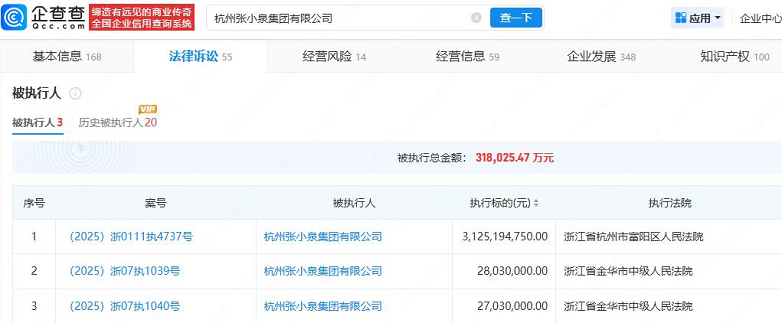
Core Insights - The contrasting fortunes of Zhang Xiaoqian and Wang Mazi highlight the survival divergence among traditional Chinese brands, with Zhang Xiaoqian facing significant financial distress while Wang Mazi reports a 40% year-on-year sales growth in 2024, far exceeding the industry average [1][4] Group 1: Zhang Xiaoqian's Crisis - Zhang Xiaoqian Group has entered substantial merger reorganization due to an accumulated execution amount exceeding 3.9 billion yuan, with its parent company, Fuchun Holdings, heavily involved in unrelated sectors leading to high debt levels [2] - Despite the challenges, Zhang Xiaoqian's core knife and scissors business showed resilience with a revenue increase of over 14% and a net profit surge of 120% in the first three quarters of 2025 [2] - The company's operational imbalance is attributed to a focus on marketing over research and development, with R&D expenses consistently below 2% from 2022 to 2024, while sales expenses remained above 12% [2] Group 2: Wang Mazi's Success - Wang Mazi's growth is attributed to a balance of tradition and innovation, maintaining high product quality through 59 non-heritage forging processes and receiving national awards [4] - The company invested 500 million yuan to establish the world's largest intelligent knife and scissors manufacturing base, enhancing product quality and performance [5] - Wang Mazi has developed a diverse product matrix catering to various consumer needs, achieving significant sales milestones and receiving multiple international design awards [5] Group 3: Industry Insights - The contrasting developments of Zhang Xiaoqian and Wang Mazi provide critical insights for the knife and scissors industry, emphasizing the need for traditional brands to engage with contemporary consumers [7] - The overall revenue of 1,450 traditional Chinese brands exceeds 2 trillion yuan, with a notable increase in purchasing activity among younger consumers [7] - The industry is evolving from product competition to a comprehensive contest of brand culture, product strength, and channel effectiveness, necessitating a focus on user value and innovation [8]

从好品质到好品牌 非遗焕新融入当下
Zhong Guo Xin Wen Wang· 2025-11-28 15:06
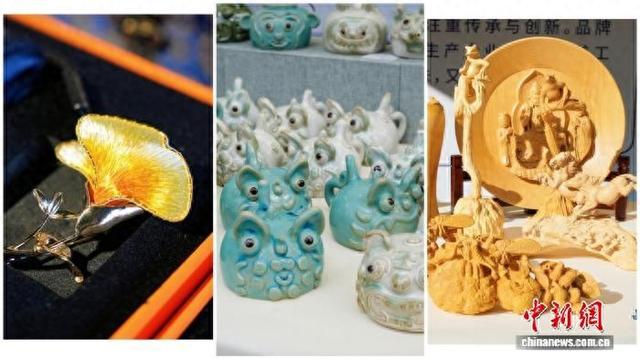
Core Insights - The 2025 Intangible Cultural Heritage (ICH) Brand Promotion Week in Dali, Yunnan, showcases 121 notable ICH brands from across China, providing a platform for experience sharing among ICH representatives [1][3] Group 1: Traditional Brands - Established brands like Tongrentang, founded in 1669, are innovating with health drinks such as "Morning Water" and "Overnight Water," appealing to younger consumers [3] - Wangxingji, another traditional brand, is incorporating contemporary themes into its fan products, including zodiac and anime designs, through material and artistic innovation [3] Group 2: Youth Brands - The Ru Shan Ming brand, founded by Li Keming, emphasizes "New Chinese Aesthetic Objects" and has gained recognition for its tea cups showcased at major events like the Paris Olympics [3] - The brand Jizhutang, led by 90s-born founder Yang Changqin, is transforming traditional bamboo crafts into modern products, creating over 3,000 flexible job opportunities with an average annual income increase of nearly 20,000 yuan [3] Group 3: Cross-Industry Innovations - "Wang's Hand Creation" is exploring the commercial value of local culture and crafts, integrating traditional skills into daily products through modern media like short videos and live streaming [3] - Pop Mart is linking trendy products with ICH, breathing new life into traditional intellectual properties through a "non-heritage + trendy play" approach [3] Group 4: Individual Practices and Innovations - ICH representatives are sharing personal experiences, such as Li Xingchang, who promotes Pu'er tea-making techniques nationwide to enhance consumer awareness of ICH [4] - Qiao Lin, representing traditional Qiao's ceramic techniques, is creating trendy accessories and home goods based on traditional skills [4] - Designer He Bowen merges traditional crafts like wax dyeing and embroidery with modern design, integrating ICH into contemporary life [4] Group 5: Brand Development and Sustainability - Professor Chen Anying from Tsinghua University emphasizes that diversity in ICH brands enhances sustainability and vitality, particularly in traditional craft regions [6] - The emergence of new brands from skilled practitioners, even those without high-level recognition, can significantly boost the transmission of ICH projects [6] Group 6: Case Study of Brand Creation - Liu Zhongping, founder of "Jieyou Nianhua Pu," created a brand that revitalizes traditional woodblock prints by incorporating modern themes and interactive experiences, such as themed events [7] - The China Tourism Press announced a 2024 initiative to promote innovative ICH products that blend traditional craftsmanship with modern design, aiming to integrate ICH into everyday life [7]