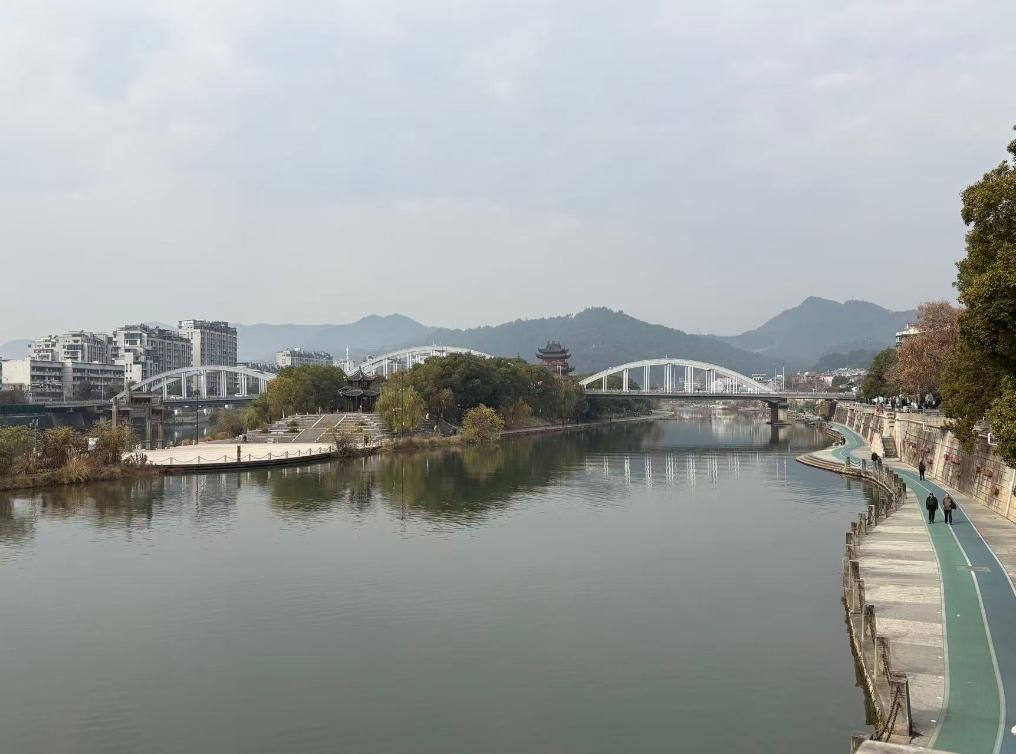
传统与现代共存

Search documents
新春走基层·驻外记者回乡手记|青山入眼处 中国万里春
Xin Lang Cai Jing· 2026-02-15 07:26
Core Insights - The article highlights the transformation of Longquan, Zhejiang, focusing on its cultural heritage and modern development, particularly in the production of Longquan celadon and swords, which are now key industries for the city [3][7]. Transportation and Infrastructure - Longquan has seen significant improvements in transportation, with the establishment of high-speed rail and an airport, making travel more convenient and reducing the psychological distance for residents [3][5]. - The development of highways and tunnels has turned previously isolated areas into accessible regions, enhancing connectivity [3]. Cultural Heritage and Industry - Longquan celadon and sword-making are recognized as traditional crafts, with the celadon being listed as a UNESCO intangible cultural heritage in 2009 [3][7]. - The local government is actively promoting these crafts through cultural spaces and educational initiatives, allowing visitors to experience the traditional techniques firsthand [5][7]. Economic Development - The celadon and sword industries have become pillars of Longquan's economy, employing tens of thousands of people, with a growing proportion of young workers and creative designers [7]. - The city is exploring a green development path centered on cultural industries, aiming to integrate traditional craftsmanship with modern business practices [7]. Tourism Growth - Longquan is experiencing a surge in tourism, with a reported 20.7 million visitors expected during the 2025 National Day and Mid-Autumn Festival holiday, marking a 24.6% increase year-on-year [7]. Community and Quality of Life - The article emphasizes the improved quality of life for residents, with enhanced safety, efficient logistics, and a sense of community reflected in the revitalization of public spaces and ecological initiatives [8][10].

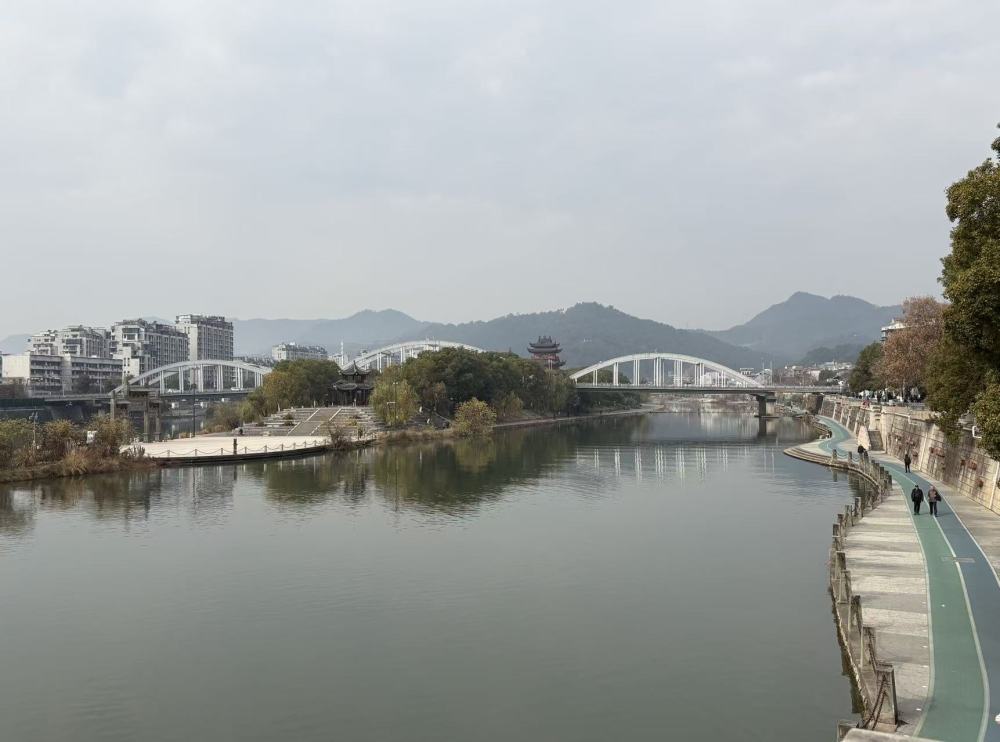
新春走基层·驻外记者回乡手记丨青山入眼处 中国万里春
Xin Hua Wang· 2026-02-15 07:00
Core Viewpoint - The article highlights the transformation of Longquan, Zhejiang, showcasing its cultural heritage and modern development, particularly in the fields of celadon pottery and sword-making, while emphasizing the integration of traditional craftsmanship with contemporary practices [3][5][7]. Group 1: Cultural Heritage - Longquan is renowned for its celadon pottery, which was recognized as a UNESCO intangible cultural heritage in 2009, and its historical significance as a famous sword-making city [3][5]. - The Daogao Longquan Kiln site, a core production area for celadon during the Song and Yuan dynasties, has been transformed into an accessible cultural space through environmental improvements and educational displays [5][7]. Group 2: Economic Development - The celadon and sword industries have become pillar industries for Longquan, with tens of thousands of workers involved, and a growing proportion of young professionals and creative designers [7]. - Longquan is exploring a green development path centered on cultural industries, with tourism numbers projected to reach 207,000 during the 2025 National Day and Mid-Autumn Festival holiday, marking a 24.6% increase year-on-year [7]. Group 3: Infrastructure and Quality of Life - The region has seen significant improvements in transportation, with the construction of high-speed railways and airports, enhancing accessibility and reducing travel time [3][5]. - The local environment has been revitalized, with the establishment of ecological greenways along previously neglected riverbanks, contributing to a better quality of life for residents [5][8]. Group 4: Modern Integration - The integration of traditional craftsmanship with modern design is evident in the Longquan Celadon Town, where young artisans are learning ancient techniques while innovating contemporary creations [5][7]. - The article emphasizes the importance of balancing tradition with modernity, illustrating how historical elements are being woven into the fabric of current development in Longquan [7][9].