
传统戏曲文化传承

Search documents
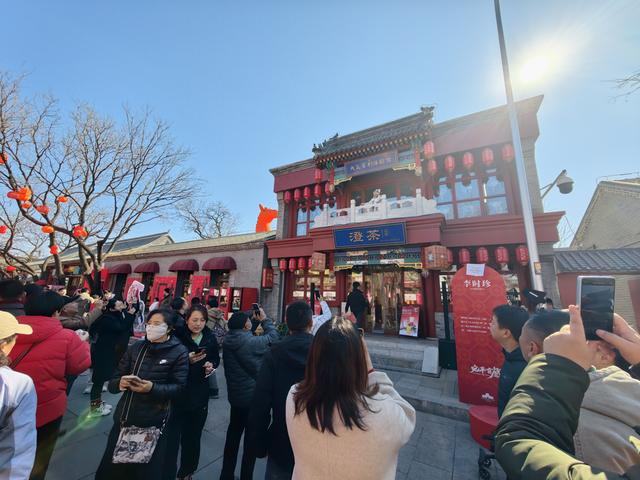
宛平城全域戏曲主题场景化,市民身临其境感受文化魅力
Xin Lang Cai Jing· 2026-02-17 09:07
Core Viewpoint - The event is a traditional Chinese opera fair held during the Spring Festival, featuring performances from four major professional troupes, aimed at promoting the cultural heritage of traditional Chinese opera and providing immersive experiences for the audience [3][7][8]. Group 1: Event Overview - The fair focuses on "Classic Opera Performances," bringing together the China Pingju Theatre, Beijing Jingju Theatre, Beijing Quju Troupe, and Northern Kunqu Theatre for a multi-day cultural feast [3]. - The Northern Kunqu Theatre's performance of "Peony Pavilion: Garden Tour" was highlighted, showcasing the beauty of classic lines in a traditional setting, captivating the audience [3][5]. Group 2: Performances and Highlights - Notable performances included Mei School singer Sun Siyu from the Beijing Jingju Theatre presenting a segment from "Drunken Concubine," and actors from the China Pingju Theatre performing a segment from "Liu Qiao'er," showcasing diverse styles and stories [5]. - The event aims to combine traditional opera art with the cultural landmark of the ancient city, enhancing the audience's experience of both the performances and the historical atmosphere [7]. Group 3: Cultural Impact - The fair provides an opportunity for opera enthusiasts to engage closely with renowned artists and promotes the living transmission of traditional opera culture through concentrated performances of classic repertoires [8]. - The event is expected to feature additional classic plays such as "Flower for Matchmaking" and "Under the Red Flag," making "Wanping Has Opera" a unique cultural highlight during the New Year period [8].

定安琼剧双剧目斩获“全民美育”戏曲展演“特色风采作品”奖
Hai Nan Ri Bao· 2025-09-01 01:08
Core Viewpoint - The performance of the Qiong Opera segments "Zhang Wenxiu: Return of Honor" and "Murui Hongyun: Searching for Food in the Mountains" by the Qiong Opera troupe from Ding'an County has been recognized at the national level, highlighting the importance of cultural heritage and youth education in traditional arts [1] Group 1: Cultural Recognition - The Qiong Opera troupe from Ding'an County won the "Characteristic Style Works" award from the National Public Culture Development Center of the Ministry of Culture and Tourism for their performances [1] - The event was part of the national youth aesthetic education demonstration exhibition, emphasizing the role of arts in youth development [1] Group 2: Cultural Heritage and Education - Ding'an County is known as the "Hometown of Qiong Opera," with a historical saying that "without Ding'an, there is no theater troupe" [1] - The county's cultural development center has been actively promoting the protection and dissemination of traditional opera, integrating Qiong Opera culture into school aesthetic education [1] - This initiative aims to enhance students' cultural literacy and confidence, fostering a new generation of inheritors for Qiong Opera [1]
河北梆子、京剧、评剧,延庆百里山水画廊好戏持续至8月26日
Xin Jing Bao· 2025-08-24 23:14
Group 1 - The 2025 Mass Drama Culture Festival, themed "'Drama' in Scenic Waters 'Theater' in Focus," is being held in Qianjiadian Town, Yanqing District, featuring a five-day event that brings various traditional Chinese opera forms closer to local residents [1] - The festival includes performances of Hebei Bangzi, Peking Opera, and Pingju, showcasing a rich cultural experience with an immersive approach that revitalizes the traditional art form [1] - Notable performances include Hu Yuqing's rendition of "Mu Guiying Takes Command" and Wang Yikai's portrayal of Bao Zheng in "Chisang Town," highlighting the depth of traditional operatic expressions [1] Group 2 - The ongoing drama activities serve as a bridge for young people to connect with traditional opera, fostering a new generation of local opera enthusiasts [2] - The local government is actively promoting the preservation of Piyuan culture, emphasizing its importance in enriching the spiritual lives of the community [2] - Future plans include launching village-level opera training programs and establishing 2 to 3 opera-themed villages to integrate opera culture into daily life [2]