传统文化热潮

Search documents
二手高奢与本土新锐夹击,轻奢品牌如何反攻?
Sou Hu Cai Jing· 2026-01-12 04:10
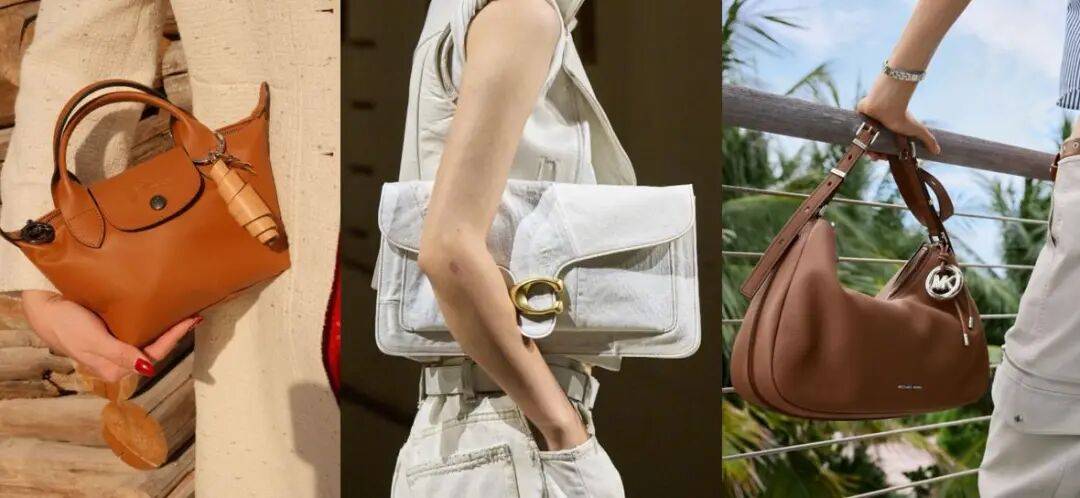
Core Insights - The luxury brand sector, particularly the affordable luxury segment, is facing significant challenges due to tightening consumer spending and competition from both high-end second-hand markets and local brands [2][3][4] Group 1: Market Performance - Despite overall pressure, the Chinese market remains a strategic priority for luxury brands, with notable sales growth reported: Coach's sales in the Greater China region increased by 21% year-on-year for Q1 FY2026, while Ralph Lauren saw a 30% increase in the same period [3] - The second-hand luxury market in China is projected to reach a transaction volume of 38.4 billion yuan by 2025, with high-end brands like Chanel and Louis Vuitton leading in sales [4] Group 2: Competitive Landscape - The rise of local brands and the expansion of the second-hand luxury market pose significant threats to international affordable luxury brands, with local brands like Shanxiaoyousong and Qiu Zhen rapidly gaining market share [10][11] - Local brands are leveraging highly localized strategies, focusing on specific consumer demographics and cultural resonance, which has proven effective in attracting younger consumers [14][16] Group 3: Brand Strategies - International affordable luxury brands are responding to market pressures by revitalizing their product lines and redefining their brand positioning to appeal to younger consumers [20][23] - Brands are shifting their distribution strategies to enhance accessibility, with plans for more localized store openings and experiential retail environments [25][26] - Marketing efforts are increasingly focused on local culture and social media engagement, with brands collaborating with celebrities and utilizing platforms like Xiaohongshu and Douyin to enhance visibility [28][30]




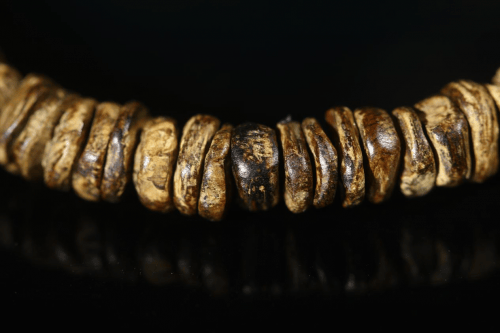
无锡哪里买沉香便宜:需求增长背后的价格规律与实用省钱指南
Sou Hu Cai Jing· 2025-08-31 14:24
Core Insights - The demand for agarwood in Wuxi is increasing due to the combination of consumption upgrades and a resurgence of traditional culture, making it a significant choice for quality living and cultural identity [1] - Agarwood consumption in Wuxi has seen a growth rate exceeding 18% over the past year, surpassing the national average, with a diversification in consumer demographics [3] - The price of agarwood varies significantly in Wuxi, influenced by factors such as raw material origin, fragrance quality, craftsmanship, and sales channels [4] Industry Demand and Consumer Trends - Wuxi's rich cultural heritage has led to a growing interest in agarwood among mid-to-high-end consumers, with younger individuals seeking daily fragrance experiences and high-net-worth individuals focusing on investment value [3] - The market structure is evolving, with high-end wild agarwood remaining scarce and expensive, while more accessible products rely on brand strategies to reduce costs [3] Pricing Dynamics and Sales Channels - Agarwood prices in Wuxi can range from hundreds to thousands of yuan per gram, with traditional retail channels leading to higher costs due to multiple intermediaries [4] - New retail models, such as "Xiang Zun Zhen Xiang," are effectively reducing prices by sourcing directly from production areas and integrating online and offline sales, resulting in prices that are 30%-50% lower than traditional channels [4] Consumer Purchasing Strategies - Consumers are advised to enhance their understanding of market price ranges to avoid being misled by high prices, and to compare prices across different channels [6] - The importance of after-sales service is emphasized, as high-value products like agarwood require robust support to mitigate future risks [6] - The evolving market in Wuxi suggests that purchasing agarwood is not just about price but also involves a comprehensive evaluation of brand, channel, and service systems [6]