理性消费

Search documents
一个人被锁死在底层的原因:沉溺情绪型消费
洞见· 2026-03-17 12:36
Core Insights - The article emphasizes the detrimental effects of emotional spending, highlighting how it can lead to financial instability and regret [6][19][28] - It suggests that understanding and controlling spending habits can significantly impact one's future financial success [24][28] Group 1: Emotional Spending - Emotional spending often leads individuals to make impulsive purchases as a way to cope with stress or negative emotions, resulting in financial strain [6][19] - Examples of individuals, such as a project manager and a young woman in the tech industry, illustrate how emotional spending can lead to a cycle of regret and financial instability [9][23] - The article warns that those who engage in emotional spending may find themselves trapped in a cycle of debt and anxiety, ultimately hindering their financial growth [8][20] Group 2: Financial Habits and Future Success - The article categorizes individuals based on their spending habits, suggesting that those who spend impulsively are at a lower financial level compared to those who invest wisely [24][26] - It highlights the importance of saving and making informed financial decisions, as demonstrated by a story of a woman who improved her financial situation through disciplined saving [27] - The article concludes that one's approach to spending and saving can determine their financial future, advocating for mindful consumption and investment in valuable experiences [28][29] Group 3: Practical Financial Advice - The article provides three key recommendations for better financial management: setting a budget, implementing a cooling-off period for purchases, and establishing multiple accounts for different financial purposes [28] - These strategies aim to help individuals control their spending impulses and prioritize their financial well-being [28] - The overall message encourages individuals to recognize the value of money and make conscious choices that contribute to long-term financial health [28]


在理性消费时代,中国人开始为“睡得饱”花钱:美的如何用一台空调,重构母婴睡眠新标准?
第一财经· 2026-03-14 01:12
Core Viewpoint - The article discusses a shift in consumer behavior towards a more restrained lifestyle, with a focus on rational consumption and prioritizing genuine experiences over brand and price [1][3]. Group 1: Consumer Behavior Trends - Young consumers are moving away from "exquisite poverty" and excessive spending, embracing concepts like "low-desire living" and "rational consumption" [1]. - The overall trend in consumer spending is towards rationality and restraint, with a focus on health, comfort, and security rather than brand prestige [1]. Group 2: Maternal and Infant Market Insights - Despite a general contraction in consumer spending, maternal and infant families show a distinct willingness to pay a premium for products that ensure better sleep for their children [4]. - New parents, particularly those from the 90s and 00s generations, prioritize creating a safe and comfortable sleeping environment for their children, viewing sleep quality as critical for development and health [5]. Group 3: Product Innovation and Challenges - Traditional air conditioning units often fail to provide a conducive sleeping environment for infants, leading to increased anxiety for parents [6]. - Midea's launch of the "Wind-Free" air conditioner aims to address these issues by eliminating direct airflow, thus creating a more comfortable sleeping environment for babies [8][9]. Group 4: Technical Advancements - The "Wind-Free" air conditioner features advanced technology that disperses airflow gently, ensuring a comfortable environment for infants [8]. - Midea's product incorporates a dynamic temperature control algorithm tailored to different stages of child development, ensuring optimal air quality and comfort [12][19]. Group 5: Industry Standards and Professionalism - The article emphasizes the need for genuine innovation in the maternal and infant air conditioning market, criticizing many products for lacking scientific backing and dynamic adaptability [16]. - Midea's commitment to professional standards is highlighted through its collaboration with experts and the development of a comprehensive "sleep microclimate" concept, which defines ideal conditions for infant sleep [17][19].


电商大促新周期新打法洞察报告:从节点狂欢到常态深耕
艺恩· 2026-03-06 09:50
Investment Rating - The report does not explicitly state an investment rating for the e-commerce industry Core Insights - The e-commerce industry is transitioning from a "market-driven" growth model to an "efficiency-driven" model, focusing on user experience, supply chain resilience, and cross-scenario collaboration [6] - The total sales during the Double 11 event reached 1.62 trillion yuan, with a year-on-year growth of 13% [7] - The promotional strategy is shifting from "impulsive spikes" to "wave-like normalization," allowing platforms to smooth operational pressures and enhance the quality of promotions [8] - Instant retail has emerged as the fastest-growing segment, with sales reaching 670 billion yuan, reflecting a year-on-year growth of over 130% [9] Market Overview - The growth dynamics of the e-commerce market are evolving, with a significant slowdown in growth rates while maintaining a large market size [6] - The consumer mindset is shifting from "impulsive stockpiling" to "rational consumption," driven by changes in economic conditions and consumer behavior [11] - Platforms are simplifying promotional rules and extending promotional periods to reduce the motivation for unnecessary purchases [12] Platform Strategies - Taobao/Tmall dominates high-ticket and decision-heavy categories, contributing nearly 50% of sales from 3C digital and home appliances [15] - JD.com leverages its supply chain advantages to maintain leadership in high-ticket categories, with a focus on customer experience and operational efficiency [22] - Douyin's content-driven approach effectively stimulates interest and conversion in fast-moving consumer goods [39] - Pinduoduo is transitioning from "hundred billion subsidies" to "thousand billion support," focusing on quality supply and sustainable growth [55] Trends Observed - The industry is witnessing a shift towards long-term operations and rational consumption, with platforms focusing on user value and operational efficiency [74] - AI is becoming a core driver of efficiency across the e-commerce value chain, enhancing operational effectiveness and sales conversion [81] - Instant retail is emerging as a critical competitive advantage, with platforms integrating online and offline resources to meet consumer demands [84] Future Insights - The promotional cycle is extending from "one-day events" to "57-day periods," indicating a strategic shift towards long-term planning and operational integration [98] - Competition is evolving from price wars to the ability to meet unfulfilled consumer needs, emphasizing the importance of unique platform strengths [98]


从“二手经济”到“情绪出口” 这届年轻人把二手玩明白了
Xin Lang Cai Jing· 2026-02-28 01:39
Core Viewpoint - The second-hand market is evolving from a "make-do" mentality to a more discerning approach, where young consumers prioritize quality, reliability, and emotional value over mere cost savings [1][2][10]. Group 1: Second-Hand Car Market - The second-hand car market is thriving, with a focus on cost-effectiveness, particularly among young consumers who prioritize reducing purchase costs and avoiding depreciation risks [4][5]. - A report indicates that 61% of young users choose second-hand cars primarily to lower costs, while 47% aim to avoid new car depreciation [4]. - The reliability of vehicle condition and price advantages are the top considerations for young buyers, with 69% and 63% respectively emphasizing these factors [5][12]. Group 2: Growth of Second-Hand Goods - The second-hand goods market is experiencing rapid growth, with a projected transaction scale of 645 billion yuan in 2024, reflecting a 17.56% year-on-year increase [7][10]. - Young consumers are not only buyers but also suppliers in the second-hand market, driven by frequent relocations and new consumption trends in hobbies and interests [10][11]. - Items with emotional value, such as retro gaming consoles, have seen significant price increases, indicating a shift towards valuing nostalgia and uniqueness in second-hand purchases [7][9]. Group 3: Consumer Behavior and Market Trends - The current consumer behavior reflects a transition from seeking the lowest initial price to valuing overall lifecycle costs and experiences [5][11]. - Platforms are adapting to build trust and transparency in transactions, addressing issues like information asymmetry, which is a major concern for consumers [12][14]. - The rise of digital platforms has facilitated the growth of the second-hand market, with innovative approaches to enhance user experience and trust [12][14].

中国人选“豪车”,不爱买进口了?
Xin Lang Cai Jing· 2026-02-28 01:23
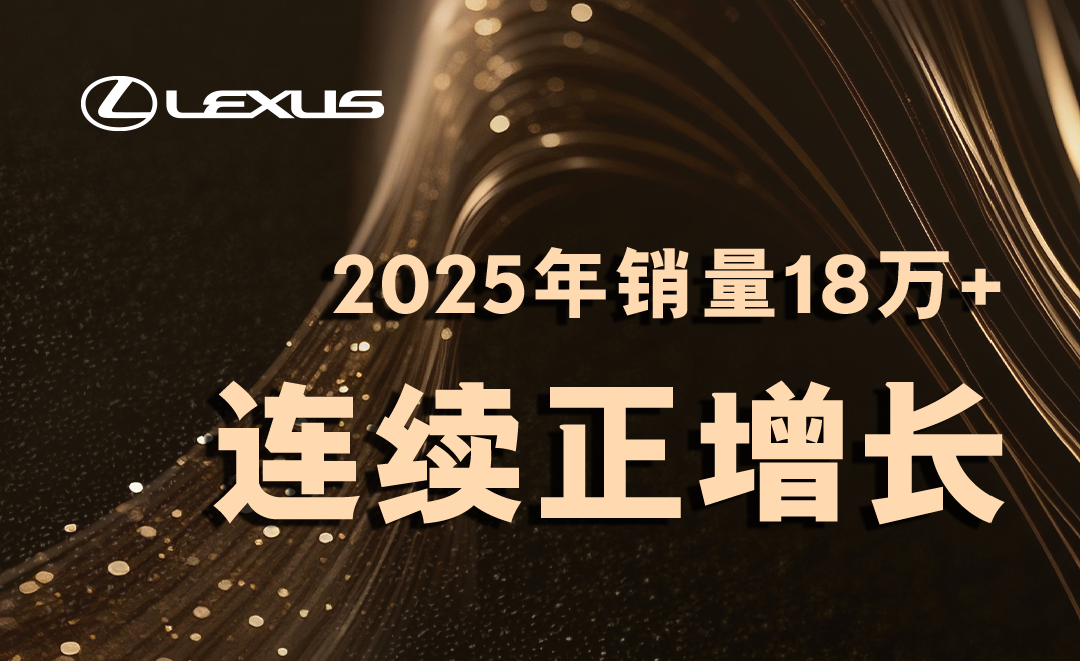
Core Insights - The luxury imported car market in China is experiencing a significant decline, particularly affecting brands like Mercedes-Benz, BMW, Audi, and Porsche, while Lexus shows a slight growth [2][5][23]. Market Performance - In 2024, the overall market for luxury cars priced over one million yuan is estimated at approximately 128,000 units, with a slight decline to 120,000 units in 2025, indicating a drop of less than 10% [6][23]. - The decline in imported luxury car sales is stark, with a reported drop of 30%-40% in 2024, contrasting with the overall market performance [6][24]. Brand Analysis - Lexus remains a standout, contributing 184,069 units in 2025, achieving a 2% year-on-year growth, while other luxury brands face steep declines [2][21]. - The sales figures for major luxury brands in 2023 show significant drops: Mercedes-Benz down 15%, Audi down 13%, and BMW down 9% [22][23]. Consumer Behavior - There is a noticeable shift in consumer preferences, with many buyers moving away from traditional luxury brands towards newer domestic models, reflecting a change in the perception of luxury [12][29]. - The acceptance of domestic luxury brands is increasing, with models like the ZunJie S800 and brands like Yangwang gaining traction in the market [11][28]. Future Trends - The luxury car market is evolving towards a more diversified and personalized consumer base, with a growing demand for unique features and experiences rather than just brand prestige [31][34]. - The trend indicates that the "import" label is losing its allure, as consumers prioritize tangible value and features over brand history and prestige [36][19].
折扣零售凭什么跑赢平均值?
Sou Hu Cai Jing· 2026-02-26 14:22
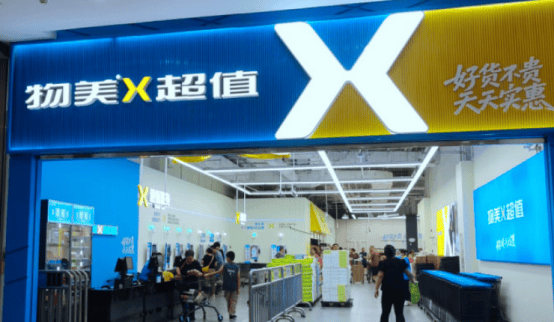
Core Insights - The current hottest segment in the consumer market is discount retail, which is surprising to many as it is not high-end luxury goods or trendy fast-moving consumer goods [1] - The growth of the discount retail market is driven by a rational return to consumer spending habits and the inevitable efficiency upgrades in the retail industry [1] Industry Growth - According to iResearch, the discount retail market in China is projected to exceed 2.28 trillion yuan by 2025, with a compound annual growth rate (CAGR) of 11.0% from 2022 to 2025, significantly outpacing the overall retail sales growth [1] - Data from the China Chain Store & Franchise Association indicates that in the first half of 2025, sales for membership warehouse stores and discount snack stores grew by 25% and 20% year-on-year, respectively [3] Operational Efficiency - The core reason for the robust growth in these categories is their focus on streamlining supply chains, eliminating unnecessary brand premiums, and delivering real value to consumers [3] - Globally, discount retailers are expanding rapidly, with ALDI in the UK achieving a 24.6% increase in store count through streamlined SKUs and private label brands, while Ross Stores in the US opened 40 new stores in a single quarter, leveraging high cost-performance [3] Domestic Market Dynamics - The domestic discount retail landscape is vibrant, featuring offline discount supermarkets, warehouse outlets, and community hard discount stores, creating a comprehensive discount ecosystem [5] - Companies are competing on "quality-price ratio," cutting redundant costs, connecting directly with supply chains, and maintaining stable low prices to retain customers [5] Online Discount Retail - Online discount platforms are also thriving, with Vipshop projecting net revenue of 105.9 billion yuan by 2025, and reporting a 17% year-on-year growth in overall performance from major sales events [5] - The high retention of valuable users is attributed to Vipshop's model of direct engagement with brand owners, simplifying distribution channels, and offering genuine brand products at 30% to 70% off [5] Consumer Behavior - Consumers are increasingly practical, avoiding blind pursuit of expensive items and trends, which aligns with the high quality-price ratio offered by discount retail [7] - The ability to significantly reduce redundant costs and provide reliable, affordable quality goods will determine which companies succeed in this evolving market [8]
2025年生活服务消费9大趋势洞察报告
Sou Hu Cai Jing· 2026-02-26 08:01
Macro Consumption Trends - The service consumption market in China is entering a new development stage, with per capita service consumption expenditure rising to 46.1% as of 2025, following the country's GDP surpassing $13,000 [11][12] - The overall scale of the service retail market is approaching 30 trillion yuan, with the "happy life" consumption sector exceeding 3 trillion yuan and maintaining a compound annual growth rate of 7.4% from 2021 to 2025 [17] - Demand upgrades are driving structural changes in the consumption market, as consumers shift from basic needs to higher-level experiences and self-actualization [19] Micro Consumption Insights - The trend of "saving for happiness" reflects a rational and pragmatic consumption philosophy, where young consumers engage in low-cost experiences, such as 9.9 yuan classes, to enrich their lives [2][31] - "Value for money" and "pursuit of certainty" highlight the increasing importance of emotional value and professional trust in consumer decisions, with a shift from price-performance ratio to emotional-price ratio [2] - "Low-cost socializing" and "internal nurturing and external training" indicate a rebalancing of social boundaries and personal well-being, with self-service KTVs and pet care services catering to the demand for lightweight social connections [3] - The rise of "IP collaborations," "returning to nearby," and "playing local" illustrates the cultural depth and spatial reconstruction of experiential consumption, as consumers seek emotional resonance and cultural identity through collaborative services [3] Summary of Key Trends - The report identifies nine key trends in life service consumption, emphasizing the dual drive of demand upgrades and supply innovations, leading to a vibrant and complex market landscape [4] - The focus on understanding deep consumer needs, crafting unique experiences, and maintaining trust relationships will be crucial for future market competition [4]
马年春节酒类消费市场观察:理性回归筑根基,品质创新启新程
Xin Lang Cai Jing· 2026-02-25 05:43
Core Insights - The 2026 Year of the Horse Spring Festival marks a critical window for assessing the transformation of the liquor industry and understanding changes in consumer trends, characterized by "structural differentiation, rational upgrades, diverse scenarios, and quality supremacy" [2][13] Group 1: Consumer Behavior - The core of consumption has shifted towards rationality, with a consensus emerging around "drink less, drink well, and drink right," leading to a focus on quality and cost-effectiveness [4][15] - The opening rate has replaced channel inventory as the key indicator of brand health, with major liquor companies focusing on promoting actual consumption through targeted promotions [4][15] - Sales performance shows a clear "two-pole stability, mid-range pressure" pattern, with sales of light and staple liquors under 100 yuan increasing, while high-end liquors around 1,000 yuan remain strong, and mid-range products face a decline of 10%-20% in sales [4][15] Group 2: Product Categories and Scenarios - Traditional liquor categories maintain their foundation, while innovative categories are breaking through, creating a healthy ecosystem of "classic empowerment and innovative supplementation" [4][15] - The white liquor market remains dominant, with strong performances from brands like Moutai and Wuliangye, while the market is increasingly concentrating resources on leading brands and quality production areas [5][16] - Specialty liquors such as low-alcohol beverages and wines are gaining traction, appealing to younger consumers and adapting to various consumption scenarios [7][18] Group 3: Channel Evolution - The sales channels for liquor are evolving, with a deepening integration of online and offline strategies, shifting competition from inventory to efficiency and experience [8][19] - Online channels are seeing a rise in live-streaming e-commerce, focusing on brand building and cultural transmission, while instant retail is becoming a new growth driver [8][19] - Offline channels remain crucial for gift consumption, with products priced between 100-300 yuan being the main sales force, and experiential services enhancing consumer selection experiences [8][19] Group 4: Industry Trends - The liquor consumption market's performance during the Spring Festival outlines a future path where rational consumption becomes the norm, quality innovation is the core competitive edge, and channel efficiency and scenario adaptation are key to breakthroughs [9][20] - The industry is expected to focus on quality as a long-term direction, with a need for continuous improvement in brewing techniques and technological innovation [11][22] - The trend towards green and low-carbon practices is becoming essential, aligning with national strategies and rational consumption trends [11][22]



为什么年轻人都不怎么换手机了?
Xin Lang Cai Jing· 2026-02-24 03:23
Core Viewpoint - The frequency of smartphone upgrades among young people has significantly decreased in recent years due to the high performance of flagship phones exceeding daily usage needs [3] Group 1: Consumer Behavior - Young consumers are increasingly inclined to extend the usage cycle of their smartphones, adopting a more rational approach to spending [3] - The iPhone series, particularly the iPhone 17, showcases upgrades that may not be compelling enough for users of previous models, as they still meet daily requirements [3] - Many Apple users have developed a habit of upgrading annually due to the presence of AppleCare+, indicating a strong brand loyalty and replacement intention [3] Group 2: Market Trends - The lack of noticeable design changes in newer iPhone models contributes to the reduced frequency of upgrades among users [3]


中金2026年展望 | 轻工零售美妆:把握情绪消费主线,布局底部反转及新技术催化
中金点睛· 2026-02-24 00:00
Core Viewpoint - The narrative logic of the light industry retail beauty sector is shifting from "expansion" to "quality improvement" by 2026, driven by consumer demand for emotional and functional value, supply upgrades, and supportive consumption policies [1] Demand Trends - Four major demand trends in the light industry retail beauty sector are identified: sustained emotional consumption, coexistence of rational and high-end consumption recovery, dominance of functional demand, and continued preference for domestic brands, influenced by demographic changes and generational shifts [4] - The rise of Generation Z is leading to a "self-pleasure" consumption transformation, with this demographic contributing 22.5% of total consumption despite only representing 23.3% of the population [12][14] - Interest consumption is characterized by high frequency, high stickiness, and low price sensitivity, with 47% of consumers regularly paying for interests [14] Supply Innovations - Three types of supply innovations are observed: creating new categories (e.g.,潮玩), developing new functionalities (e.g., PDRN in beauty products), and integrating new technologies (e.g., AI glasses) [4][22] - The潮玩 industry exemplifies the creation of new categories, fulfilling emotional and interest needs of adult consumers, with significant revenue growth reported by leading companies [22][24] - New functionalities in products, such as PDRN, are gaining popularity, with substantial increases in search volume and sales during promotional events [27][31] Policy Support - Current consumption support policies aim to establish a systematic long-term mechanism, focusing on enhancing consumer quality and optimizing service products [4][32] - Policies are designed to stimulate demand through mechanisms like "old-for-new" exchanges and to guide industries towards intelligent and functional upgrades [32][33] Investment Strategy - Investment should focus on three main lines: long-term positioning in emotional and functional consumption sectors, actively seeking opportunities catalyzed by new technologies, and identifying companies poised for fundamental recovery supported by stimulus policies [37][38] Industry Outlook - The beauty and medical aesthetics sector is expected to see growth driven by supply-side innovations, with domestic brands likely to continue gaining market share [5][40] - The潮玩 retail sector is projected to maintain high global demand, with leading companies innovating in product categories and IP operations [5][40] - The light manufacturing sector is anticipated to experience a weak recovery in demand, with structural opportunities for export-oriented companies [5][40] Consumer Behavior - A "K-shaped" consumption differentiation is emerging, with rational consumption increasing sensitivity to prices while high-end consumption shows signs of recovery [15][47] - The demand for functional products is becoming a dominant factor in purchasing decisions, with consumers increasingly valuing product quality and service over marketing [17][19] Market Dynamics - The retail market is experiencing a mild recovery, with service consumption growing faster than goods retail, driven by policy support and improved service supply [6][58] - The competition among brands is intensifying, leading to a decline in gross sales margins and a concentration of market share among leading brands [50][56]