传统文化融合创新

Search documents
非遗成为过年氛围组,各地文旅如何把握新商机|新春走基层
Di Yi Cai Jing· 2026-02-17 07:43
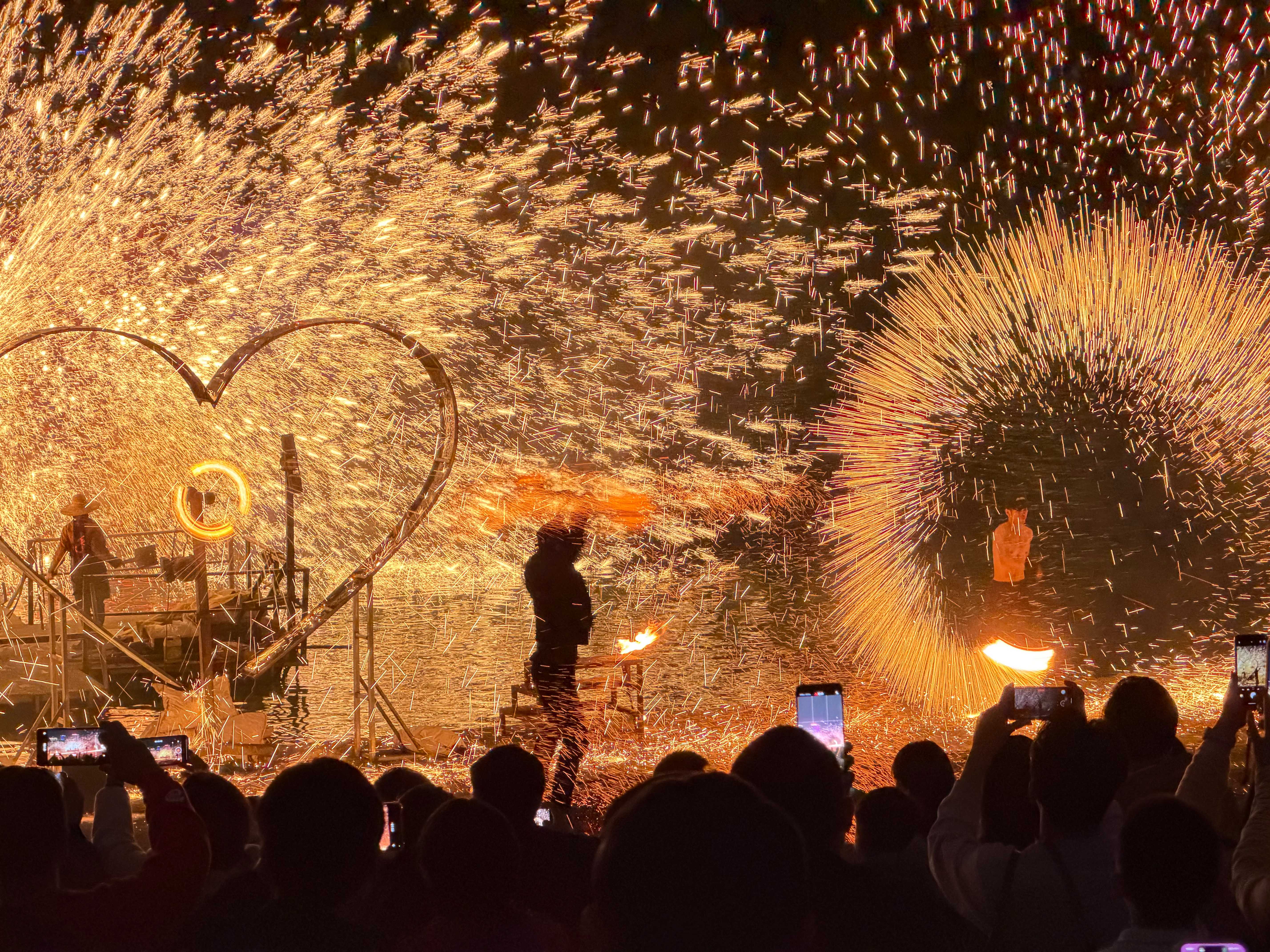
Core Viewpoint - The integration of intangible cultural heritage (ICH) with tourism is increasingly attracting visitors, especially during festive seasons like the Spring Festival, showcasing a blend of traditional and modern cultural elements [1][18]. Group 1: Cultural Events and Activities - The popularity of ICH activities, such as the "Iron Flower" performances, has surged, with many cities incorporating these events into their local culture, making them accessible to the public [2][16]. - During the Spring Festival, various cultural events, including lantern festivals and traditional performances, are being organized, with significant participation from local communities and tourists [6][11]. - The "Datang Qian Denghui" event in Guangzhou features a large-scale performance with over a thousand participants in traditional attire, highlighting the growing interest in traditional culture among younger demographics [11][19]. Group 2: Economic Impact and Consumer Engagement - The rise in ICH activities is seen as a strategy for commercial districts and scenic areas to enhance their cultural tourism appeal, transforming one-time visitors into repeat customers through immersive experiences [17][19]. - Data from Meituan Travel indicates a 200% year-on-year increase in searches for "ICH experiences" during the Spring Festival, reflecting a growing consumer interest in cultural tourism [16]. - The integration of ICH with commercial activities is crucial for maximizing consumer engagement, as seen in the innovative "Lantern Festival + Temple Fair" model that encourages participation and spending [17][19]. Group 3: Challenges and Opportunities - Despite the growth in ICH activities, there is a need for more distinctive offerings to avoid consumer fatigue, as similar events across different regions may diminish the unique appeal [18][20]. - There is an identified gap in the depth of cultural exploration and creativity in some tourism projects, suggesting that further innovation is needed to fully leverage the potential of ICH [19][20]. - Policymakers are encouraged to develop more targeted support for ICH initiatives, promoting local cultural projects while allowing for market-driven innovations [20].