
非遗+旅游

Search documents
(新春见闻)新疆匠人巧手迎马年 非遗体验项目受追捧
Zhong Guo Xin Wen Wang· 2026-02-25 02:11
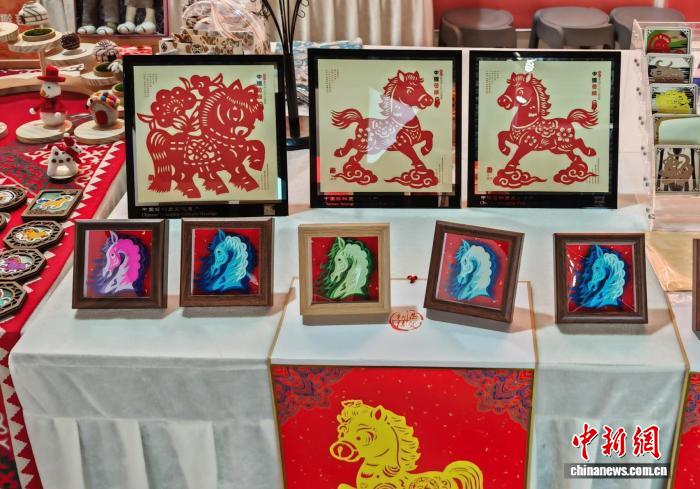
Core Insights - The article highlights the innovative approach to traditional paper-cutting art in Xinjiang, showcasing 3D paper-cutting designs that appeal to younger audiences [1][3] - The integration of intangible cultural heritage (ICH) with tourism has led to a significant increase in visitor engagement and spending during the Spring Festival [3] Group 1: Innovative Art Techniques - The 3D paper-cutting works created by Bai Liling utilize multi-layer carving, folding, and gluing techniques to achieve a strong sense of depth and space, making the designs more vibrant and appealing [1] - Bai Liling emphasizes the importance of infusing new ideas into traditional crafts to resonate with contemporary aesthetics [1] Group 2: Cultural Heritage and Tourism - During the Spring Festival, Xinjiang launched 282 ICH display and performance activities, creatively merging traditional skills with modern concepts, particularly focusing on the theme of "horse" [3] - The event featured interactive workshops such as paper-cutting, felt-making, and whip weaving, which attracted a large number of participants, enhancing the appreciation of ICH [3] - Xinjiang has a total of 6,005 ICH representative projects, including 141 national-level and 567 regional-level projects, indicating a rich cultural heritage [3] - The "ICH + tourism" model has made ICH a popular experiential tourism project during the holiday, with over 9.23 million visitors and total spending exceeding 9.4 billion RMB during the 2026 Spring Festival [3]

赏非遗、观表演、购年货——“京味儿”大年吸引外国游客
Xin Hua Wang· 2026-02-22 07:25
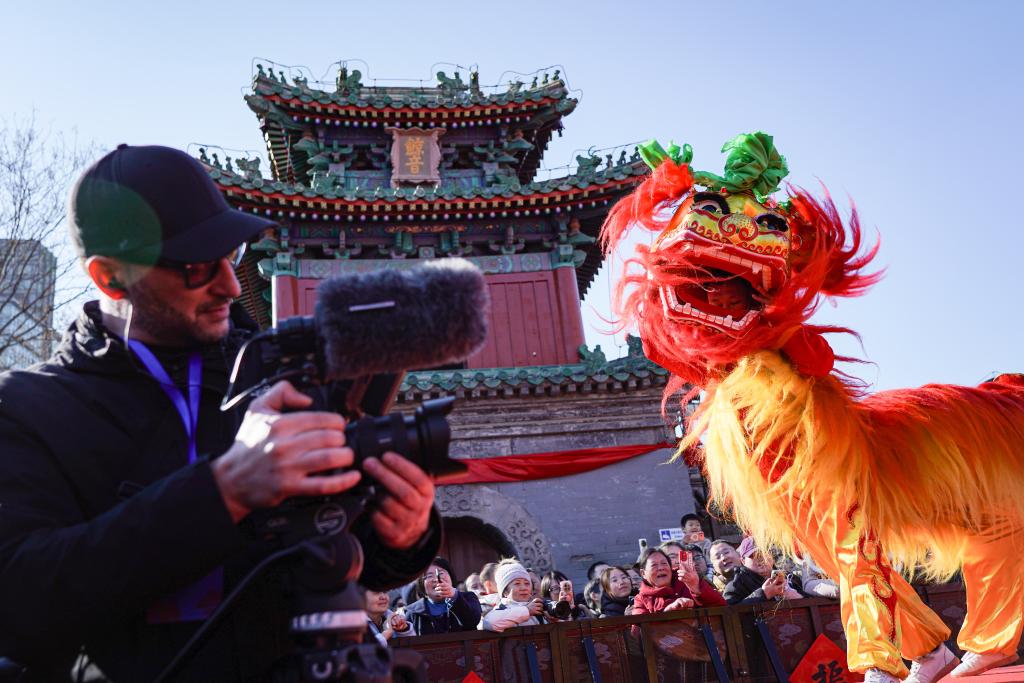
Group 1 - The core theme of the articles highlights the increasing attraction of Beijing's cultural and tourism offerings, particularly during the Spring Festival, to foreign tourists [2][3][4] - The Beijing Municipal Bureau of Culture and Tourism has introduced "Top 5 Must-Visit Lists" and 10 premium inbound travel routes, focusing on intangible cultural heritage experiences, temple fairs, and other festive activities [2] - The influx of foreign tourists is significant, with a predicted daily average of over 2.05 million inbound and outbound travelers during the Spring Festival, marking a 14.1% increase compared to the previous year [3] Group 2 - The rise of the "Z Generation" is redefining the Chinese New Year experience, with young people sharing their festive activities on social media, leading to increased interest from international visitors [3] - The tourism platform reports a more than 400% year-on-year increase in flight bookings to China for the Spring Festival, indicating a growing trend of "celebrating the New Year in China" [3] - Beijing is enhancing its inbound tourism policies, focusing on improving overall efficiency and convenience for foreign visitors, including nearly 1,600 tax refund shops and 37 immediate refund stores [3][4] Group 3 - The Beijing Municipal Bureau of Culture and Tourism aims to position Beijing as a global tourism destination and the preferred choice for inbound tourism by 2026, emphasizing product quality, international services, and diverse promotion strategies [4] - The experience of foreign tourists in Beijing is highlighted, with positive feedback on convenience and overall experience during their visit [4]
新春中国行|赏非遗、观表演、购年货——“京味儿”大年吸引外国游客
Xin Lang Cai Jing· 2026-02-22 05:32
Group 1 - The core theme of the articles highlights the increasing influx of foreign tourists to Beijing during the Spring Festival, driven by immersive cultural experiences and optimized travel policies [1][3][4] - Beijing's cultural and tourism bureau has introduced "Top 5 Must-Visit Lists" and 10 premium travel routes for inbound tourists, focusing on intangible cultural heritage experiences, temple fairs, and other festive activities [1][3] - The predicted daily average of inbound and outbound travelers during the Spring Festival is expected to exceed 2.05 million, marking a 14.1% increase compared to the previous year [3] Group 2 - The rise of the "Z Generation" is redefining the Chinese New Year experience, with young people sharing their festive activities on social media, leading to increased interest from international visitors [3] - The number of foreign tourists booking flights to China around the Spring Festival has surged by over 400% year-on-year, indicating a growing trend of celebrating the New Year in China [3] - Beijing aims to become a global tourism destination by 2026, focusing on product quality, international service, and diverse promotion strategies to attract more international visitors [4]
非遗成为过年氛围组,各地文旅如何把握新商机|新春走基层
Di Yi Cai Jing· 2026-02-17 07:43
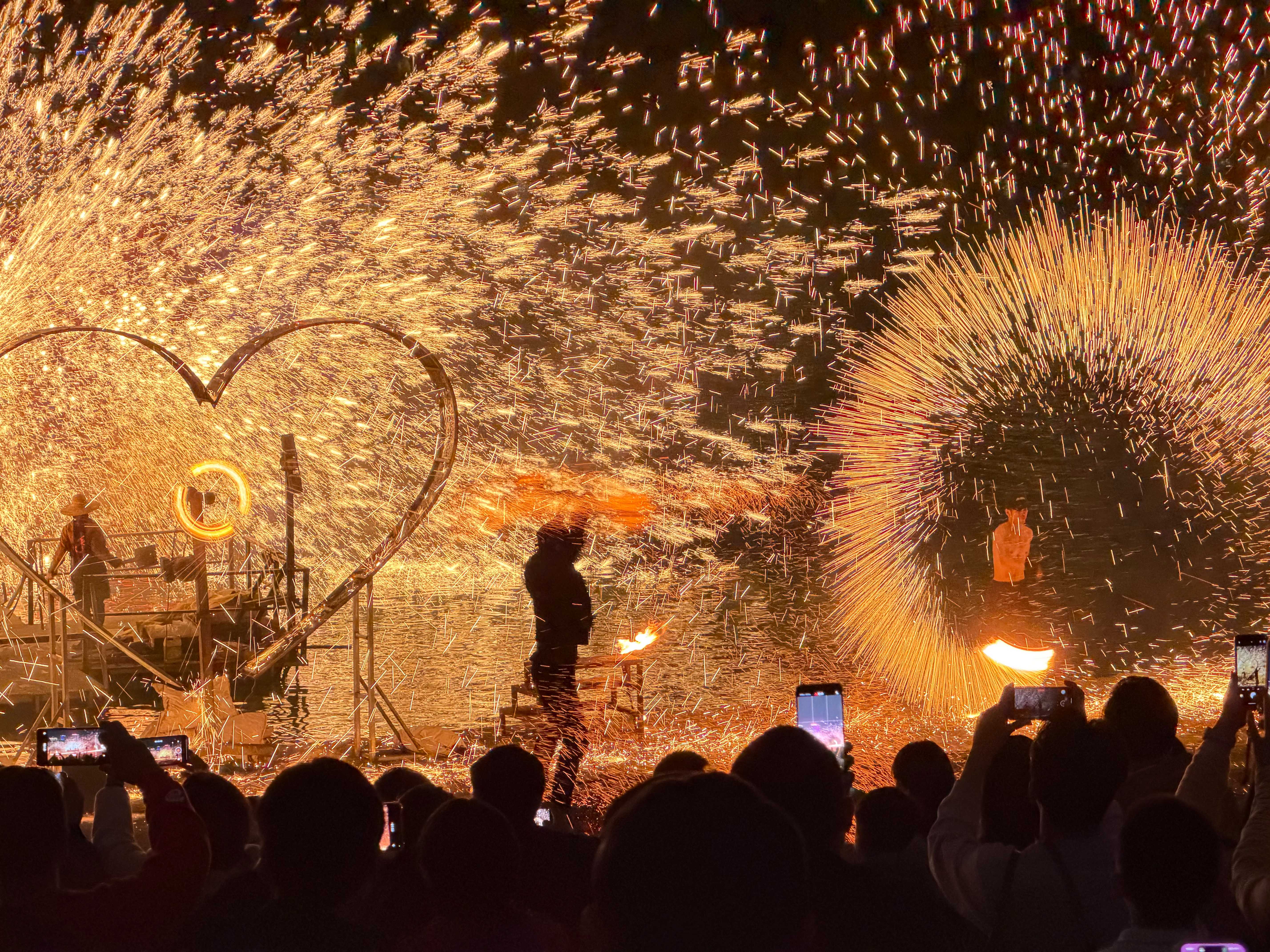
Core Viewpoint - The integration of intangible cultural heritage (ICH) with tourism is increasingly attracting visitors, especially during festive seasons like the Spring Festival, showcasing a blend of traditional and modern cultural elements [1][18]. Group 1: Cultural Events and Activities - The popularity of ICH activities, such as the "Iron Flower" performances, has surged, with many cities incorporating these events into their local culture, making them accessible to the public [2][16]. - During the Spring Festival, various cultural events, including lantern festivals and traditional performances, are being organized, with significant participation from local communities and tourists [6][11]. - The "Datang Qian Denghui" event in Guangzhou features a large-scale performance with over a thousand participants in traditional attire, highlighting the growing interest in traditional culture among younger demographics [11][19]. Group 2: Economic Impact and Consumer Engagement - The rise in ICH activities is seen as a strategy for commercial districts and scenic areas to enhance their cultural tourism appeal, transforming one-time visitors into repeat customers through immersive experiences [17][19]. - Data from Meituan Travel indicates a 200% year-on-year increase in searches for "ICH experiences" during the Spring Festival, reflecting a growing consumer interest in cultural tourism [16]. - The integration of ICH with commercial activities is crucial for maximizing consumer engagement, as seen in the innovative "Lantern Festival + Temple Fair" model that encourages participation and spending [17][19]. Group 3: Challenges and Opportunities - Despite the growth in ICH activities, there is a need for more distinctive offerings to avoid consumer fatigue, as similar events across different regions may diminish the unique appeal [18][20]. - There is an identified gap in the depth of cultural exploration and creativity in some tourism projects, suggesting that further innovation is needed to fully leverage the potential of ICH [19][20]. - Policymakers are encouraged to develop more targeted support for ICH initiatives, promoting local cultural projects while allowing for market-driven innovations [20].
老戏新唱,年味出圈
Xin Lang Cai Jing· 2026-02-15 09:32
Core Viewpoint - The article highlights the revival and modernization of Changning's traditional Ma Lantern Opera, showcasing its integration into contemporary culture and tourism, while preserving its historical essence [1][5]. Group 1: Cultural Heritage and Innovation - Changning Ma Lantern Opera has been recognized as a provincial intangible cultural heritage, encouraging its inheritor, Liao Lunshuang, to innovate and adapt the art form for modern audiences [3][5]. - Liao Lunshuang has restructured traditional scripts and incorporated modern storytelling techniques, making the performances more relatable to current societal issues [5]. Group 2: Community Engagement and Education - The opera is actively engaging with local communities by performing in villages and addressing contemporary themes, such as rural governance [5]. - Plans are underway to collaborate with local schools to introduce Ma Lantern Opera classes, aiming to educate children about their cultural heritage [5]. Group 3: Tourism and Cultural Experience - The Ma Lantern Opera is being promoted through tourism initiatives, allowing it to reach broader audiences in scenic spots, schools, and cultural venues [5]. - The surrounding area of Shuangwan Village offers various attractions, including traditional architecture and local culinary experiences, enhancing the cultural tourism appeal [6][8].
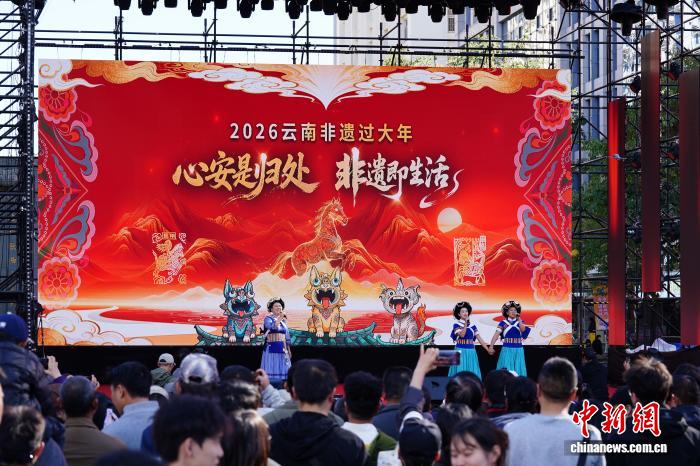
云南非遗过大年启幕 127场活动营造新春氛围
Zhong Guo Xin Wen Wang· 2026-01-30 12:57
Core Viewpoint - The "Yunnan Intangible Cultural Heritage New Year" series of activities has been launched, featuring 127 events aimed at promoting local culture and tourism during the Spring Festival [1][3]. Group 1: Event Overview - The series includes various types of activities such as "Ancient City New Year," "Intangible Heritage Museum New Year," and "Intangible Heritage New Year Shopping Month" [1]. - The opening ceremony took place on January 30 at Kunming's Nanping Square, highlighting the integration of intangible cultural heritage with tourism and cultural creativity [1][3]. Group 2: Specific Activities - From January 30 to February 1, a series of immersive experiences will be held at Kunming's Nanping Square, including performances of traditional songs, dances, and sports [3]. - The "Peach Blossom Water - Intangible Heritage Performance Garden" showcased various traditional performances, attracting many visitors [3]. Group 3: Cultural Products and Sales - The "Market Crafts - Intangible Heritage New Year Goods Garden" featured popular cultural products, particularly those themed around the Year of the Horse, such as ceramic works and traditional crafts [5][6]. - Notable sales included over 20,000 units of zodiac snake pendants last year, with the new zodiac horse pendants already selling over 10,000 units [5][6]. Group 4: Cultural Significance - Yunnan Province is home to over 10,000 representative projects of intangible cultural heritage, showcasing the rich diversity and unique characteristics of its various ethnic groups [6].
传递信心力量 彰显使命担当
Xin Lang Cai Jing· 2026-01-29 18:46
Group 1: Regional Development and Economic Integration - The Guizhou provincial government emphasizes the need to integrate into the Chengdu-Chongqing economic circle, supporting the development of Zunyi as a "bridgehead" for this integration [1] - Huichuan District aims to leverage its agricultural strengths to supply fresh produce to the Chengdu-Chongqing area, with over 20,000 tons of fruits and vegetables and more than 300,000 pigs sold last year [1] - The district is also focusing on industrial collaboration, establishing a parts production base for advanced manufacturing industries, with over 200 industrial enterprises cooperating with Chengdu-Chongqing firms [1][2] Group 2: Agricultural Innovation and Food Security - Zhang Liyi, a representative from the Guizhou Dryland Grain Research Institute, highlights the importance of seed innovation for food security, advocating for increased investment in agricultural technology [2] - The institute has developed over 120 high-quality crop varieties, with significant acreage planted across more than ten provinces, showcasing the value of agricultural innovation [3] - The institute aims to continue its focus on breeding breakthrough varieties suitable for local conditions, contributing to national food security [3] Group 3: Rural Education and Community Development - Guizhou's rural education initiatives, exemplified by the efforts of teachers like Gu Ya, focus on building confidence and skills in children through music education [5][6] - The transformation of communities, such as Zhouzhai Village, from poverty to prosperity through agricultural entrepreneurship, highlights the impact of modern agricultural practices and local leadership [7][8] - The establishment of home-based care services for the elderly and children by entrepreneurs like Yan Xiaojun reflects a growing focus on community welfare and support systems [9][10][11] Group 4: Cultural Heritage and Tourism - The integration of cultural heritage, such as the "Amei Qituo" dance, into tourism strategies aims to preserve and promote local traditions while boosting economic development [12][13] - The establishment of cultural tourism initiatives has led to significant visitor numbers and economic benefits for local communities, with projections of 342,000 visitors and over 40 million yuan in consumption by 2025 [13]
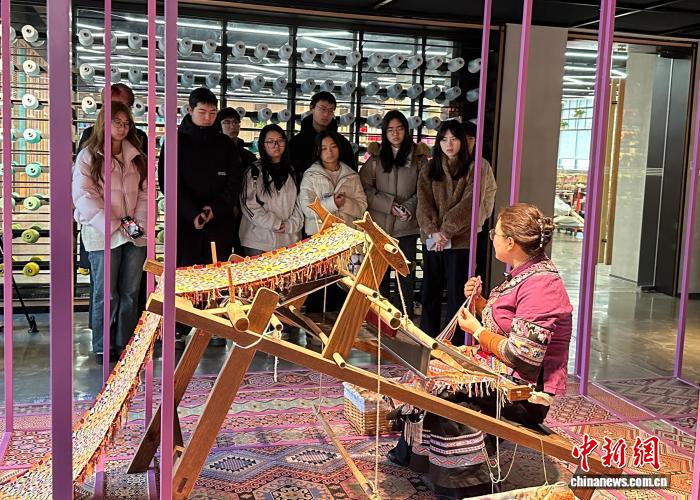
湖南张家界:“非遗+”赋能 土家织锦“织”出产业共富路
Zhong Guo Xin Wen Wang· 2026-01-29 00:03
Core Viewpoint - The integration of traditional Tujia weaving with modern design and technology is driving economic growth and cultural preservation in Zhangjiajie, Hunan Province. Group 1: Cultural Significance - Tujia weaving, known as "Xilankapu," serves as a "living text" for the Tujia people, encapsulating their history and cultural values through intricate patterns that reflect their observations of nature and aspirations for a better life [2][4]. - Each design, such as "Forty-eight Hooks" and "Magpie Disturbing Plum," carries deep cultural meanings, symbolizing unity and hope for a prosperous life [2]. Group 2: Economic Development - The company has developed over 600 products that blend traditional weaving with modern aesthetics, achieving sales in more than 30 countries and regions, with a projected revenue exceeding 90 million yuan by 2025 [2]. - The "Mama Factory" model has created job opportunities for over 700 women, allowing them to balance family responsibilities with stable income, averaging 6,000 to 7,000 yuan per month [4]. Group 3: Education and Training - A partnership with Zhangjiajie Tourism Vocational School aims to establish a training base, integrating weaving into the curriculum and producing over a hundred skilled "campus weavers" [6]. - The initiative encourages youth participation in traditional crafts, ensuring the continuation of Tujia weaving as a living practice rather than a museum artifact [6]. Group 4: Future Plans - The company plans to expand production and establish standardized workshops for intangible cultural heritage, enhancing international design collaborations to promote Tujia weaving globally [6].
青海构建文化遗产保护传承新格局
Xin Lang Cai Jing· 2026-01-07 19:17
Group 1 - The core viewpoint of the articles highlights the achievements of Qinghai Province in cultural heritage protection and development during the "14th Five-Year Plan" period, emphasizing a systematic approach to safeguarding intangible cultural heritage and promoting employment through innovative practices [1][2] Group 2 - Qinghai Province has implemented the "Qinghai Province Intangible Cultural Heritage Regulations" and developed over 10 policies, including a 2025-2035 plan for cultural relic protection, creating a comprehensive policy system [1] - The province has established a four-level directory system with 3,761 representative intangible cultural heritage projects and 5,793 inheritors, achieving comprehensive documentation and graded protection of intangible cultural resources [1] - Qinghai has three national cultural ecological protection zones, the highest number in the country, showcasing its commitment to cultural preservation [1] Group 3 - The province has completed digital records for 40 national-level inheritors and 42 provincial-level intangible cultural heritage projects, resulting in 328 digital documents [1] - Over 31 million yuan has been invested to support innovation in projects like the Hotog Art, fostering the development of 6 national-level and 100 provincial-level craft masters, and establishing 127 intangible cultural heritage workshops, benefiting 50,000 people [1] Group 4 - Qinghai is deepening the integration of "intangible cultural heritage + tourism," developing new business formats such as experiential and educational tourism, with the Rainbow Tribe Tuzu Garden recognized as a national model [2] - The province has conducted over 6,000 activities promoting intangible cultural heritage in scenic areas, communities, and schools, and developed over 1,000 cultural and creative products, achieving record results in the 2025 China Characteristic Tourism Commodity Competition [2] - Nearly 3,000 cultural relics have been showcased through international cultural exchange activities and media platforms, enhancing Qinghai's visibility both nationally and globally [2]
“非遗+旅游”开创青海文旅融合新模式
Xin Lang Cai Jing· 2025-12-21 19:38
Core Insights - The integration of intangible cultural heritage (ICH) with tourism in Qinghai Province is being highlighted through the announcement of ten exemplary cases, showcasing innovative practices that enhance cultural experiences for visitors [1] Group 1: Integration of ICH and Tourism - Qinghai's cultural and tourism department has selected ten outstanding cases that combine ICH with various tourism forms, such as rural tourism and sports tourism, to provide diverse cultural experiences for tourists [1] - The selected cases demonstrate the vitality of ICH and tourism integration, with examples like the Dan Gar Ancient City transforming from a single-product heritage area to an immersive experience workshop, attracting over 2 million visitors and generating significant tourism revenue [1] Group 2: Cultural Heritage and Economic Impact - The Rainbow Tribe Tuzu Park in Haidong City integrates nine national and 25 provincial ICH projects into its tourism development, allowing visitors to deeply engage with Tuzu culture [2] - The Murong Ancient Village, a national 4A scenic area, leverages local ICH to create immersive experiences that boost local employment and income, with an average annual income increase of 25,000 yuan per household in a specific village [3] Group 3: Product Development and Innovation - The development of cultural tourism products in Qinghai reflects the region's rich ICH, with examples like the traditional Tibetan candy "Quke Anda," which has been modernized for broader appeal [4] - The establishment of a cooperative model by a local entrepreneur has successfully integrated ICH workshops and experience bases, creating a comprehensive cultural tourism experience that includes production, sales, and dining [4]