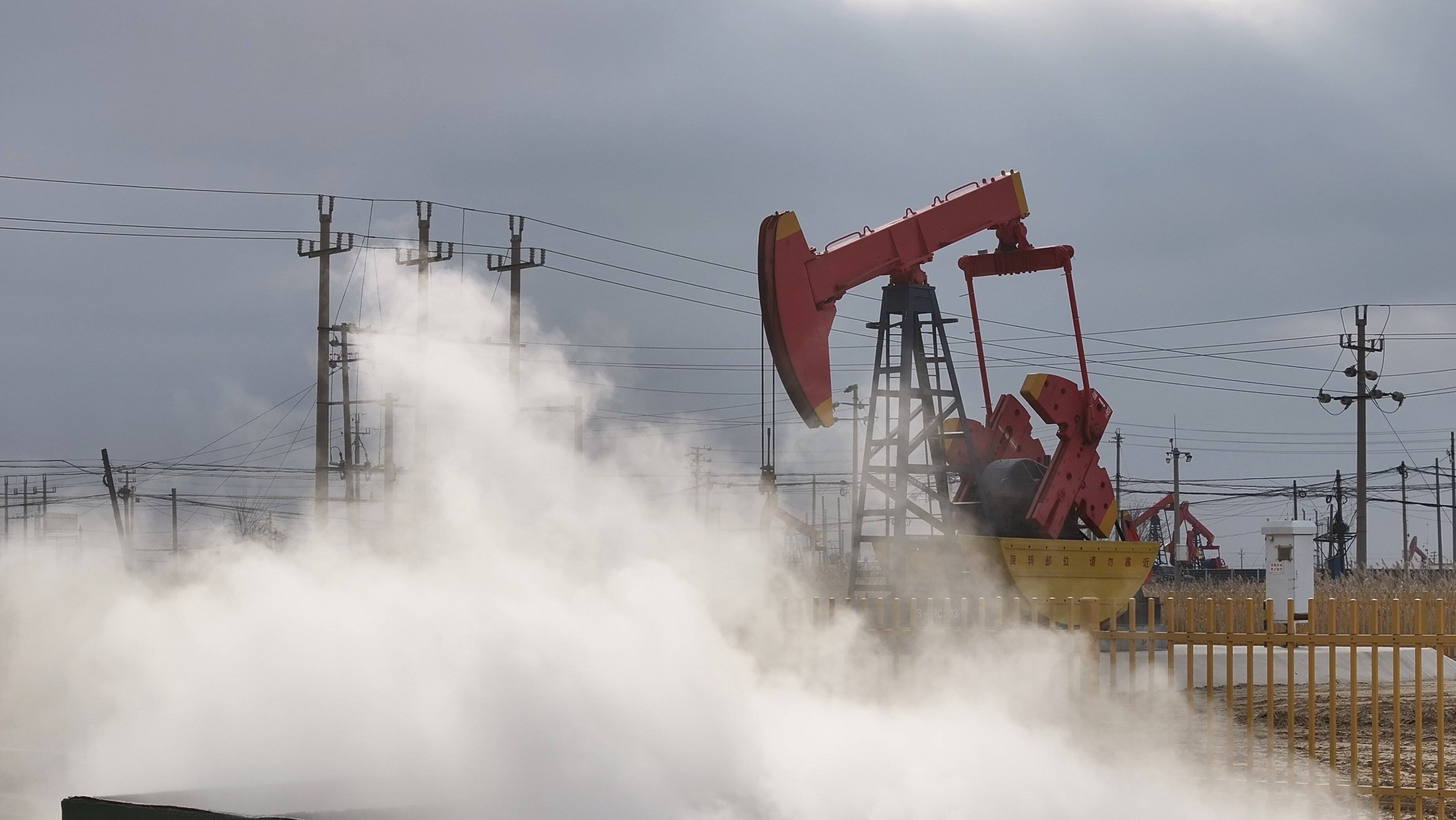
传统油气产业清洁转型

Search documents
弃置井变热源井 老油田建新热田
Xin Lang Cai Jing· 2026-02-08 21:40
Core Insights - Sinopec's Shengli Oilfield has successfully completed an energy transformation project that utilizes geothermal resources for heating, marking significant progress in the industrial application of medium and deep geothermal resources in China's oil and gas sector [1][2]. Group 1: Project Details - The project employs a dual heat source technology that combines high-temperature waste heat from gas wells and medium-temperature waste heat from oil wells, achieving efficient utilization of clean thermal energy [1]. - The annual clean heating capacity of the project is estimated at 209,000 gigajoules, with heating costs reduced by 59%, replacing 6.38 million cubic meters of natural gas, which can meet the annual gas needs of approximately 20,000 urban households [1]. - The project contributes to a reduction of 13,500 tons of carbon dioxide emissions annually [1]. Group 2: Strategic Shift - Shengli Oilfield is accelerating its transformation from a traditional oil and gas production company to a diversified green energy supplier [1]. - The Jiyang Depression has a total geothermal resource equivalent to about 25 billion tons of standard coal, with an average geothermal gradient of 3.4 to 4.2 degrees Celsius per 100 meters, representing a typical geological structure of "oil basin + thermal basin" [1]. - The oilfield has established 51 geothermal waste heat utilization projects and revitalized 25 abandoned wells, achieving an annual clean heating capacity of 3.46 million gigajoules [1]. Group 3: Industry Implications - The practice of converting abandoned wells into heat source wells and developing new thermal fields in old oil fields provides a replicable and scalable model for the clean transformation of the traditional oil and gas industry [2]. - This approach is significant for achieving new energy integration in the oil and gas sector and promoting adjustments in the national energy structure [2].

胜利油田规模化绿热工业应用取得积极进展
Zhong Guo Neng Yuan Wang· 2026-02-04 05:49
Core Insights - The successful energy transition at the Dongyi Joint Station of the Shengli Oilfield marks significant progress in the industrial application of medium and deep geothermal resources in China's oil and gas sector [1] Group 1: Project Overview - The Gu Dong project utilizes a dual heat source technology combining high-temperature waste heat from gas wells and medium-temperature waste heat from oil wells, achieving efficient use of clean thermal energy [3] - The project has an annual clean heating capacity of 209,000 GJ, reducing heating costs by 59% and replacing 6.38 million cubic meters of natural gas, which can meet the annual gas needs of approximately 20,000 urban households, while reducing CO2 emissions by 13,500 tons [3] Group 2: Geothermal Resource Potential - The geothermal resource in the Jiyang Depression is estimated to be equivalent to about 25 billion tons of standard coal, with an average geothermal gradient of 3.4-4.2 degrees Celsius per 100 meters, representing a typical "oil basin + thermal basin" geological structure [3] - A total of 51 geothermal waste heat utilization projects have been established in recent years, revitalizing 25 abandoned wells with an annual clean heating capacity of 3.46 million GJ [3] Group 3: Strategic Development - In 2024, the Shengli Oilfield aims to implement a development strategy of "building thermal fields within oil fields," establishing a clean thermal energy system that integrates sources, usage, and storage [5] - The Shengli Oilfield is simultaneously advancing green heat development in multiple regions, with the first medium-deep geothermal project for oil and gas production in Shandong already in operation, providing an annual heating capacity of 75,000 GJ [6] Group 4: Regional Impact and Future Plans - The Shengli Oilfield is leading regional green initiatives through interconnection of oil and gas pipelines and shared heat sources, achieving an annual green heat trading volume of 410,000 GJ [8] - The Shengli Oilfield plans to achieve large-scale replacement of green heat in the collection and transportation system, economic replacement in the oil extraction system, and breakthroughs in the steam injection system by 2028, exploring new pathways for the green transition of traditional energy companies [8]

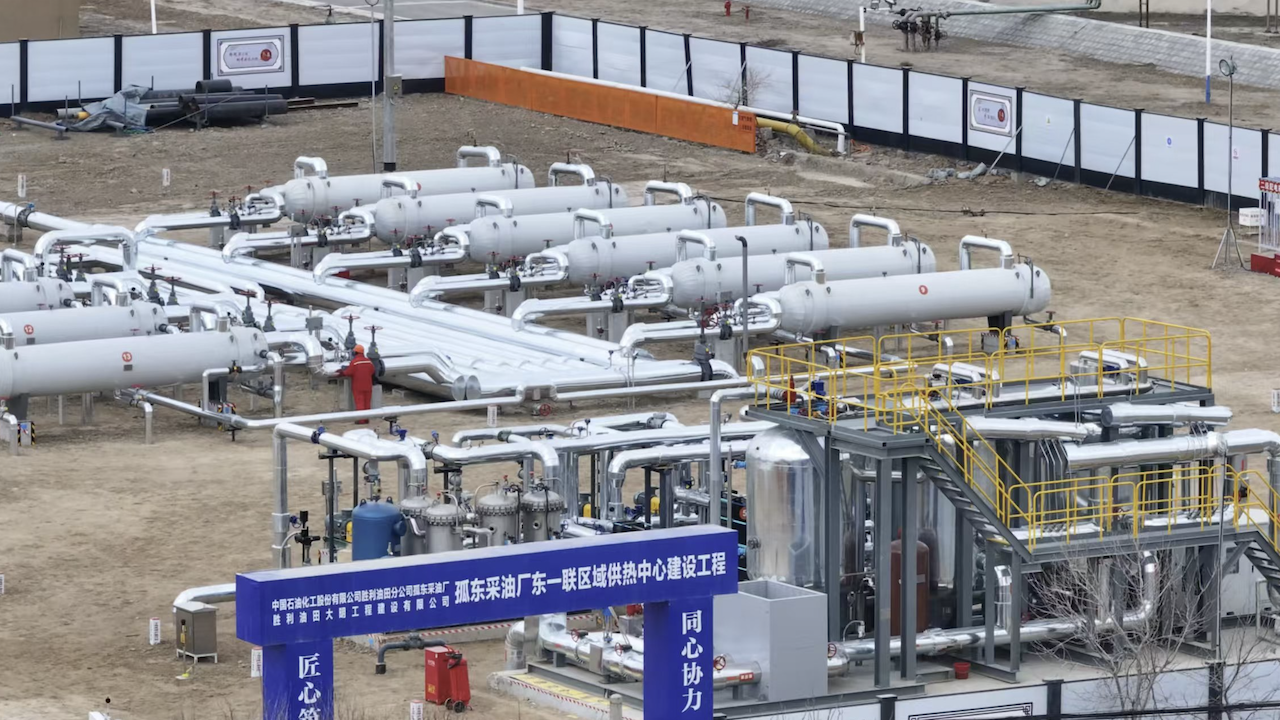
我国油气领域中深层地热资源规模化工业应用取得新进展
Qi Lu Wan Bao· 2026-02-04 01:09
Core Viewpoint - China Petroleum & Chemical Corporation (Sinopec) has made significant progress in the industrial application of geothermal resources in the oil and gas sector, particularly through the successful energy transformation at the Gudong Oilfield's Dongyi Joint Station, which utilizes waste heat from oil extraction to replace traditional gas heating [1][2]. Group 1: Project Achievements - The Gudong project employs a dual heat source technology that combines high-temperature waste heat from gas wells and medium-temperature waste heat from oil wells, achieving an annual clean heating capacity of 209,000 GJ and reducing heating costs by 59% [1]. - The project replaces 6.38 million cubic meters of natural gas, sufficient to meet the annual gas needs of approximately 20,000 urban households, and contributes to a reduction of 13,500 tons of CO2 emissions annually [1]. Group 2: Geothermal Resource Utilization - The Jiyang Depression, where the project is located, has a total geothermal resource equivalent to about 25 billion tons of standard coal, with an average geothermal gradient of 3.4-4.2 degrees Celsius per 100 meters, making it a typical geological structure for both oil and heat [1]. - A total of 51 geothermal waste heat utilization projects have been established in recent years, revitalizing 25 abandoned wells and achieving an annual clean heating capacity of 3.46 million GJ [1]. Group 3: Future Development Plans - Sinopec's Shengli Oilfield has set a development strategy to build a clean energy system by integrating sources, usage, and storage, aiming to transition from a traditional oil and gas producer to a diversified green energy supplier [1]. - The Shengli Oilfield plans to achieve large-scale green heat replacement in its collection and transportation systems, economic replacement in its oil extraction systems, and breakthroughs in its steam injection systems by 2028, exploring new pathways for the green transformation of traditional energy enterprises [2].
胜利油田中深层地热资源规模化工业应用取得积极进展
Sou Hu Cai Jing· 2026-02-03 11:57
Core Insights - Sinopec's Shengli Oilfield has successfully transitioned to energy utilization by using heat from extracted liquid at a depth of 3,200 meters, replacing traditional gas heating, marking significant progress in the industrial application of geothermal resources [1][4] Group 1: Project Overview - The Goudong project employs an innovative dual heat source technology that combines high-temperature heat from gas wells and medium-temperature heat from oil wells, achieving efficient utilization of clean thermal energy [1] - The project is estimated to provide an annual clean heating capacity of 209,000 GJ, reducing heating costs by 59% and replacing 6.38 million cubic meters of natural gas, which can meet the annual gas needs of approximately 20,000 urban households [1] Group 2: Environmental Impact - The project is expected to reduce carbon dioxide emissions by 13,500 tons annually, contributing to environmental sustainability [1] - The geothermal resource in the Jiyang Depression is equivalent to about 25 billion tons of standard coal, with an average geothermal gradient of 3.4-4.2 degrees Celsius per 100 meters, indicating a favorable geological structure for geothermal energy utilization [1] Group 3: Industry Significance - The practice of converting abandoned wells into heat source wells and developing new thermal fields in old oil fields provides a replicable model for the clean transformation of the traditional oil and gas industry [4] - This initiative is seen as a significant step towards the new energy transition in the oil and gas sector and contributes to the adjustment of the energy structure [4]