传统电影市场

Search documents
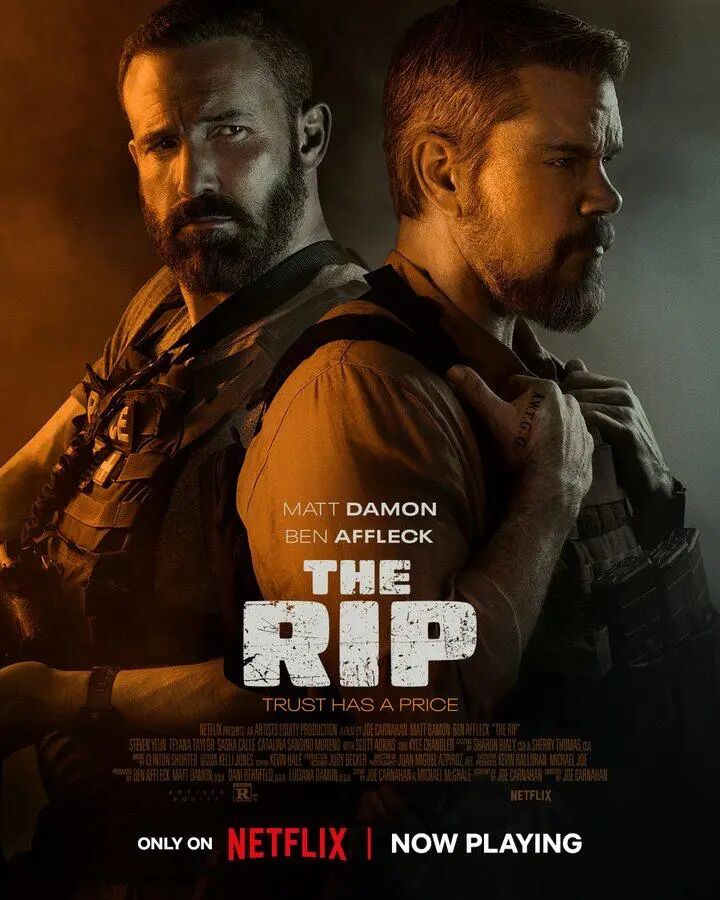
马特•达蒙吐槽Netflix:算法“杀死”电影、摄影不再重要
3 6 Ke· 2026-01-20 02:52
Core Viewpoint - The traditional film industry is facing significant challenges due to the influence of streaming platforms like Netflix, which prioritize data-driven content creation over artistic integrity, leading to a decline in the quality and depth of films [1][3][9]. Group 1: Impact on Film Creation - Netflix's approach requires creators to include explosive moments within the first five minutes of a film, fundamentally altering the narrative structure and depth of storytelling [3][4]. - The reliance on data analytics has led to a production model that prioritizes viewer retention over narrative coherence, resulting in a "fast food" style of filmmaking [4][5]. - The traditional emotional resonance of films is being compromised as creators are pressured to conform to data-driven expectations, leading to a loss of artistic expression [5][8]. Group 2: Changes in Distribution and Audience Engagement - The window for theatrical releases has been drastically reduced, with films now often available on streaming platforms within days, undermining the traditional cinema experience [8][9]. - The convenience and cost-effectiveness of streaming services are drawing audiences away from theaters, diminishing the communal experience that cinemas provide [6][8]. - The decline in cinema attendance is exacerbated by the availability of high-quality home viewing options, leading to a shift in how films are consumed [8][9]. Group 3: Economic Implications for Creators - The traditional revenue model of film production, which included box office shares and long-tail earnings, is being replaced by a system that limits creators' financial benefits to short-term gains [9][11]. - The lack of transparency in viewership data from streaming platforms makes it difficult for creators to gauge the success of their work, further complicating their financial stability [9][11]. - The current economic model favors large productions and established IPs, marginalizing independent films and new creators, which threatens the diversity of content available [11][12].